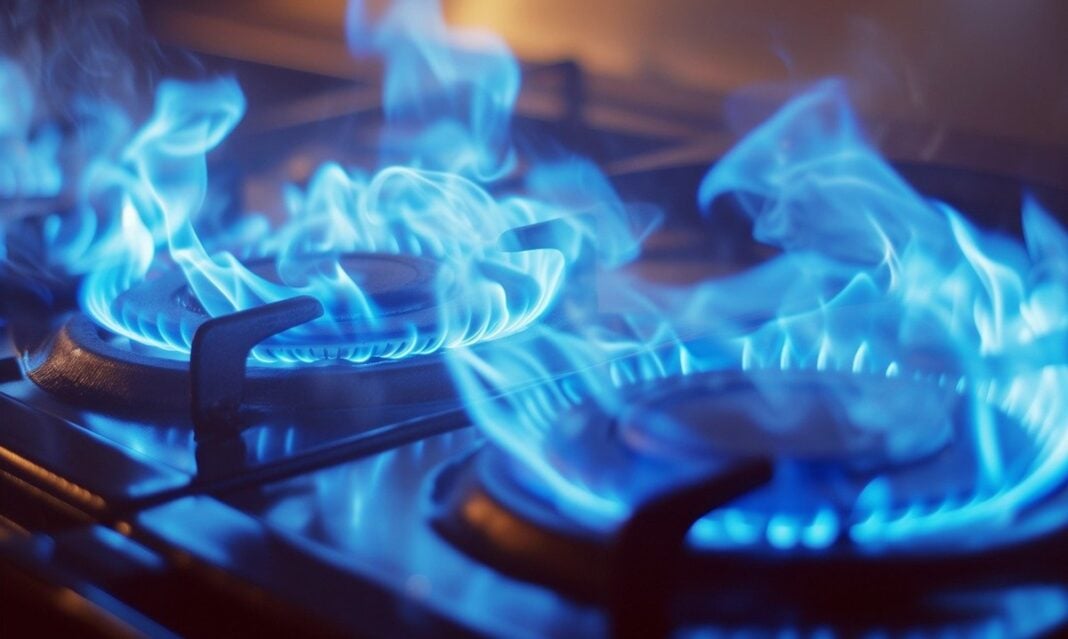
Is Gas Or Electric Stove Better For The Environment
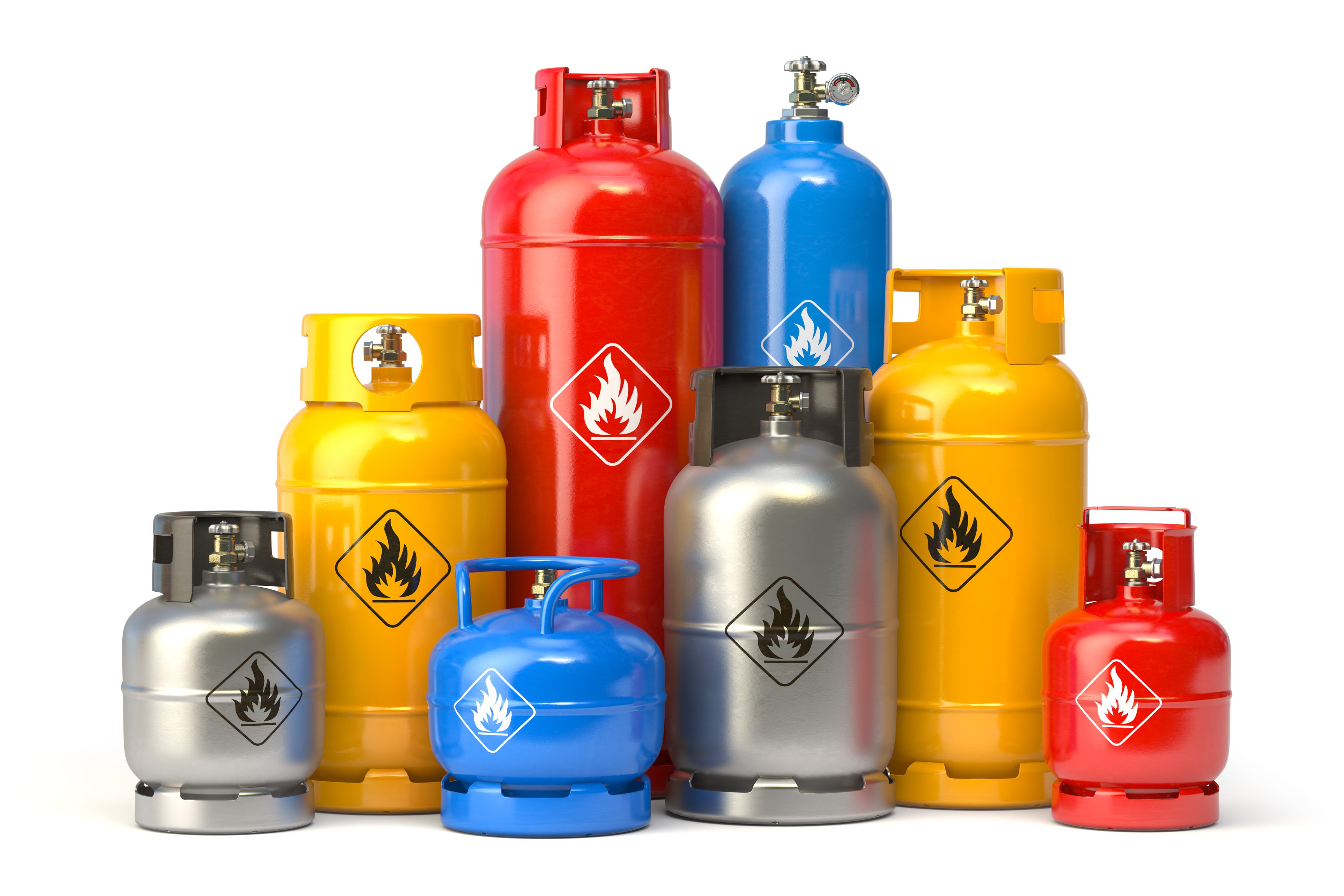
Okay, let's be real. We've all been there. Standing in the kitchen, staring at a pot of water, willing it to boil faster. Maybe you’re rocking the impatient foot tap, maybe you're just sighing dramatically. But the real question, the one that keeps environmentalists (and secretly, all of us) up at night, is: Which stove is less of a jerk to Mother Earth – gas or electric?
Think of it like this: gas stoves are your cool, vintage uncle who loves a good barbecue but also has a questionable history with fossil fuels. Electric stoves are your younger cousin, all about the new tech, but maybe not quite as reliable when the power grid hiccups. We’re diving in to see who’s really winning the "eco-friendly family member" award.
The Gas Stove Lowdown: Flames and Frustration?
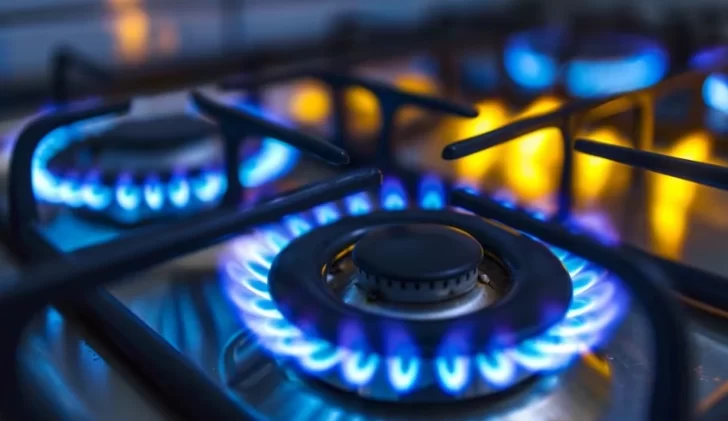
Gas stoves, bless their hearts, have been around forever. They give you that instant heat, that satisfying “whoosh” when you ignite them. You can see the flame, control the heat precisely… or so you think. Ever tried simmering something delicate on a gas stove? Yeah, good luck with that scorching-around-the-edges situation. But let’s talk about the elephant (or maybe the methane molecule) in the room: burning fossil fuels.
Must Read
Burning natural gas releases carbon dioxide (CO2), a greenhouse gas that contributes to climate change. Duh, we all knew that. But here’s the kicker: even when they’re off, gas stoves can leak methane, a super-potent greenhouse gas, directly into your kitchen. It's like having a tiny, silent eco-villain lurking near your pasta pot. Not cool, gas stove, not cool.
And let’s not forget the air quality issues. Gas stoves release nitrogen dioxide (NO2), which can irritate your lungs, especially if you’re prone to respiratory issues. Basically, cooking dinner can become a low-key indoor smog alert. Ironic, isn’t it?
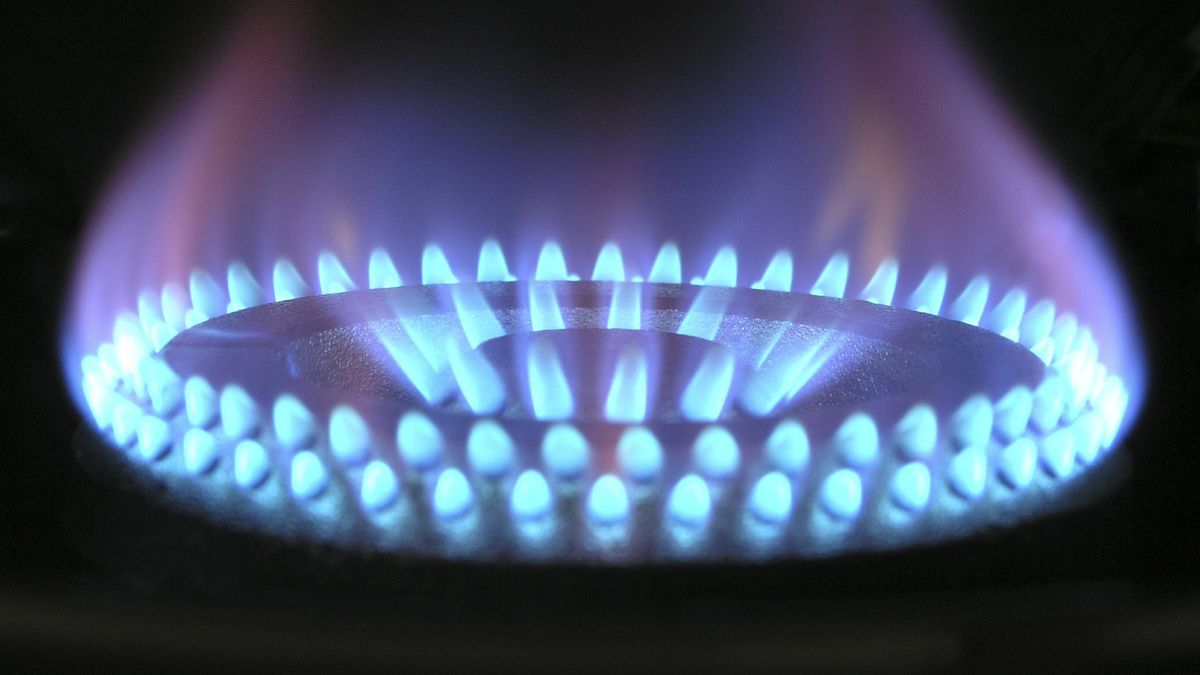
Electric Stoves: The Shockingly Green Option?
Now, let’s zap over to electric stoves. They come in two main flavors: traditional coil burners and the sleek, futuristic induction cooktops. Coil burners are… well, they’re coil burners. Slow to heat up, uneven heat distribution, and a pain to clean. But they're usually cheaper to buy upfront. Induction, on the other hand, is where things get interesting.
Induction cooktops use electromagnetism to directly heat your cookware. This means they heat up faster, are more energy-efficient (less heat wasted into the air), and are much easier to clean. Think spilled sauce wiping away with a single swipe. Ah, the dream.
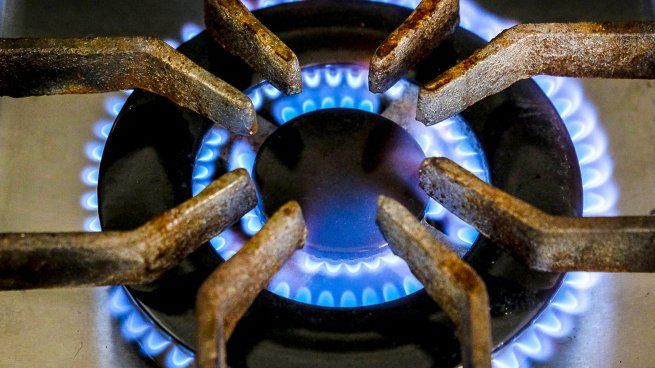
But here's the catch: electric stoves, even induction ones, aren't inherently zero-emission. They rely on electricity, and where that electricity comes from matters a whole lot. If your electricity is generated from coal-fired power plants, you’re still contributing to greenhouse gas emissions. The key is renewable energy. If your electricity is coming from solar, wind, or hydro power, then your electric stove is significantly greener than a gas stove.
The Verdict: It's Complicated (But We Have a Winner!)
So, who wins the environmental showdown? Honestly, it's nuanced. If you’re running your gas stove on fossil fuels, an electric stove powered by renewable energy is the clear winner. It's like trading in that gas-guzzling SUV for an electric car charged by solar panels – a much better environmental choice.
However, if your electric grid is heavily reliant on coal, the difference between gas and electric becomes less dramatic. In that case, you might consider other factors, like efficiency and indoor air quality. Induction cooktops are still generally more energy-efficient than gas, and they don't release harmful pollutants into your home.
Ultimately, the best choice depends on your individual circumstances. But the bigger picture is clear: transitioning to renewable energy sources is crucial for reducing the environmental impact of both gas and electric stoves. So, do your research, consider your options, and choose the stove that best aligns with your values (and your cooking skills, of course!). And maybe, just maybe, we can all boil water a little more responsibly.