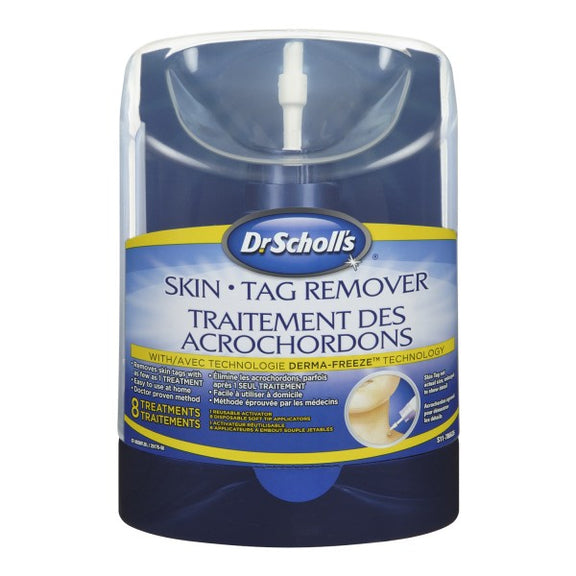
Is Dr Scholl's Skin Tag Remover Safe
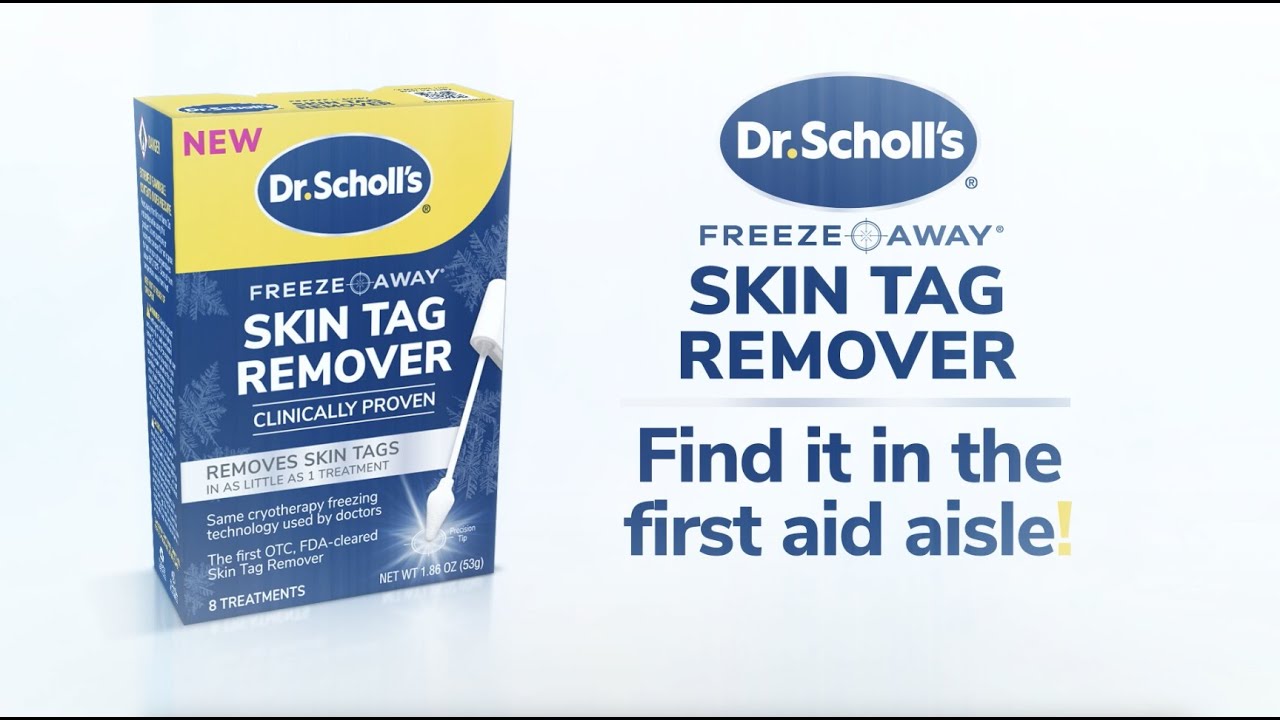
Alright, let's talk skin tags. Those little fleshy growths that pop up in the most inconvenient places – armpits, necks, you name it. They're harmless, sure, but they can be a real vibe-killer when you’re trying to rock that backless dress or show off your new necklace. So, naturally, you might be tempted by the siren song of over-the-counter solutions, like Dr. Scholl's Skin Tag Remover. But before you dive in headfirst, let's explore whether it's the right choice for you.
What's in the Box?
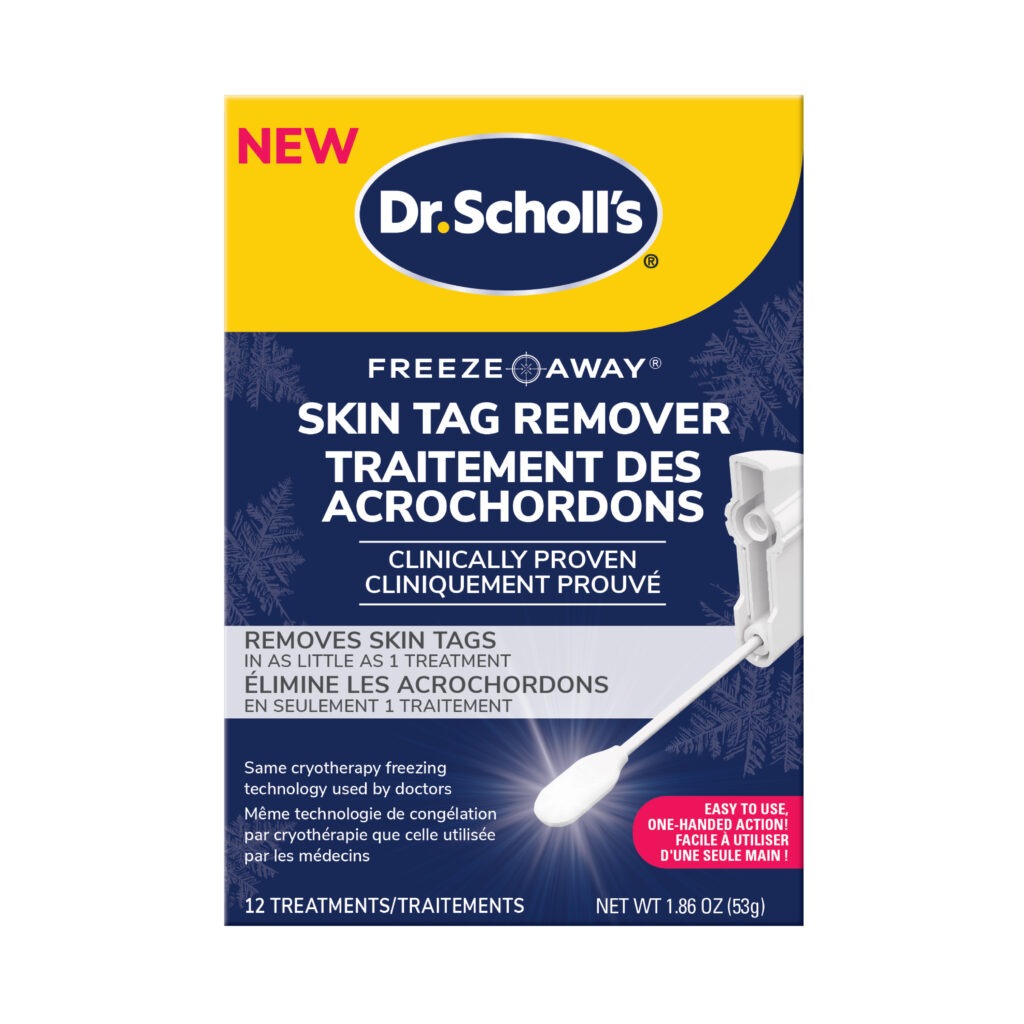
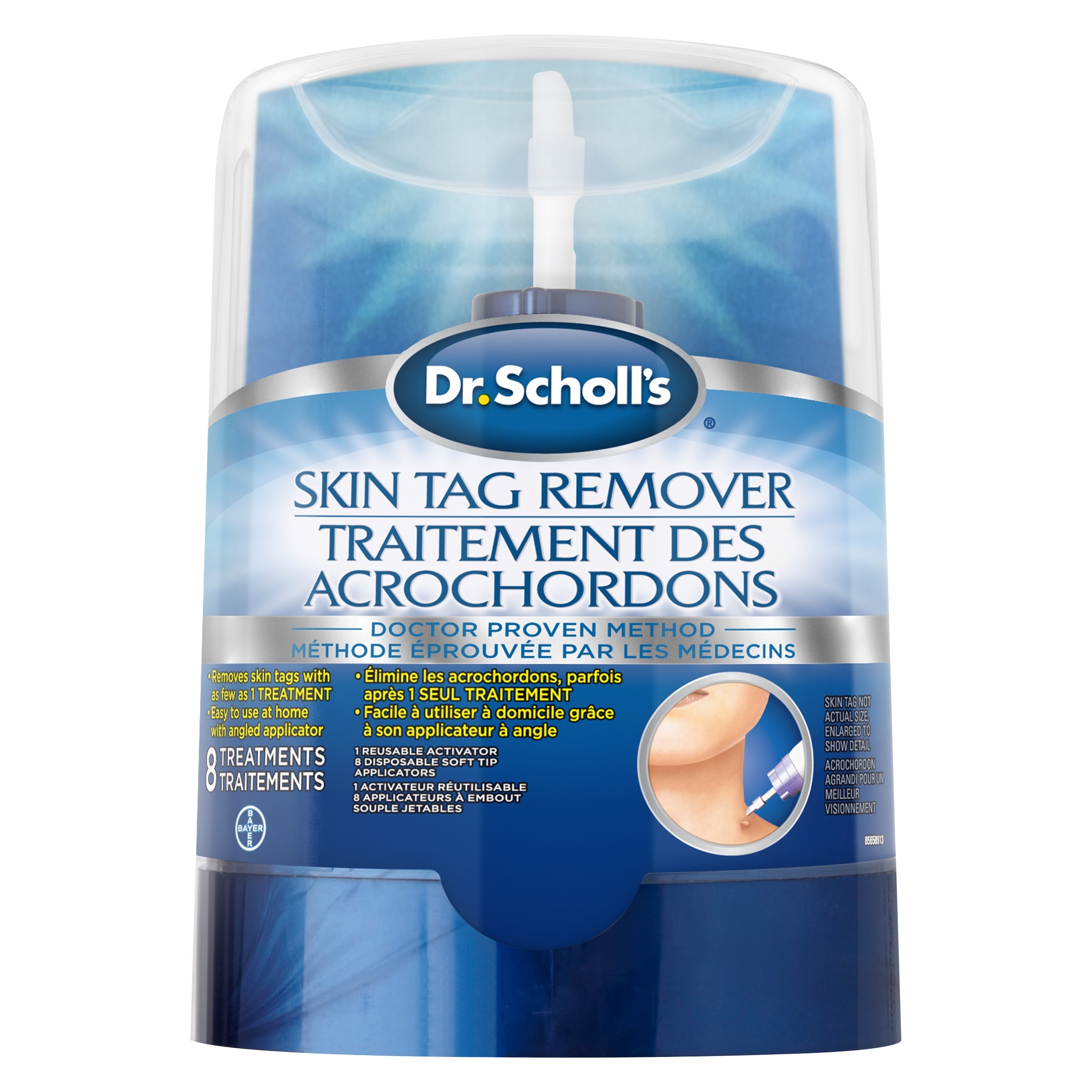
Dr. Scholl's Skin Tag Remover is a freezing method, technically called cryotherapy. Think of it as a mini-Dippin' Dots treatment for your skin tag. The kit typically includes a canister of freezing agent (usually dimethyl ether and propane), applicators, and protective skin shields. The idea is to apply the freezing agent to the skin tag, causing it to eventually fall off after a few weeks.
The Safety Question: Is It a Go or a No-Go?
Generally, Dr. Scholl's Skin Tag Remover is considered safe for use on common skin tags, if used correctly. That's a big "if," by the way. It's designed for tags found on the neck, chest, underarms, and groin.
Must Read
Important! This product is not meant for moles, warts, or any other kind of skin growth that isn't a skin tag. If you're unsure, please, please, please see a dermatologist. Mistaking a mole for a skin tag could have serious consequences. Think of it like misidentifying a song on Shazam – annoying, but not the end of the world. Misidentifying a skin growth? Whole different ballgame.
Potential Pitfalls & Side Effects
Like any medical treatment, even over-the-counter ones, there are potential side effects to be aware of:

- Skin Irritation: Redness, swelling, itching, or burning at the application site are common.
- Discomfort: The freezing process can be mildly painful. Some describe it as a stinging sensation.
- Skin Discoloration: In some cases, the treated area may become lighter or darker than the surrounding skin.
- Scarring: While rare, scarring is possible, especially if the instructions aren't followed carefully.
- Infection: Improper hygiene can lead to infection. Always clean the area thoroughly before and after treatment.
How to Use It (The Right Way!)
If you've decided to give Dr. Scholl's a try, follow these tips to minimize risks and maximize effectiveness:
- Read the Instructions: This sounds obvious, but seriously, read the entire instruction manual. Twice.
- Clean the Area: Wash the skin tag and surrounding area with soap and water.
- Protect Surrounding Skin: Use the provided skin shields to protect healthy skin from the freezing agent.
- Apply Carefully: Follow the instructions regarding application time. Don't overdo it!
- Monitor for Infection: Keep an eye on the treated area for signs of infection, such as increased redness, swelling, pus, or pain.
Think of it like baking a soufflé; precision is key. A few seconds too long in the freezer and you might find your skin tag isn't just gone, but replaced with something less desirable.
When to See a Pro
As much as we love a good DIY moment, some things are best left to the professionals. See a dermatologist if:
- You're unsure whether it's a skin tag or something else.
- The skin tag is large, bleeding, or painful.
- You have diabetes or circulatory problems.
- The skin tag is in a sensitive area, like near your eyes or genitals.
- You're not comfortable performing the procedure yourself.
A dermatologist can remove skin tags safely and effectively using various methods, such as cryotherapy (a more controlled version of what you'd do at home), surgical excision, or electrocautery. They can also rule out any underlying medical conditions.
Alternatives to Freezing
If the thought of freezing your skin tag at home makes you squeamish, there are other options! Some people swear by natural remedies like apple cider vinegar or tea tree oil, but these are generally considered less effective and may cause skin irritation.
The Bottom Line
Dr. Scholl's Skin Tag Remover can be a safe and effective option for removing small, common skin tags, when used correctly. However, it's crucial to identify the growth accurately, follow the instructions carefully, and be aware of the potential risks. When in doubt, always consult a dermatologist. They're the real skin tag removal pros.
Ultimately, dealing with skin tags is about confidence. If a little growth is holding you back from feeling your best, then addressing it is worthwhile. Just remember to approach it with caution, do your research, and prioritize your skin's health.