
Is Dr Drew Sutton A Real Doctor
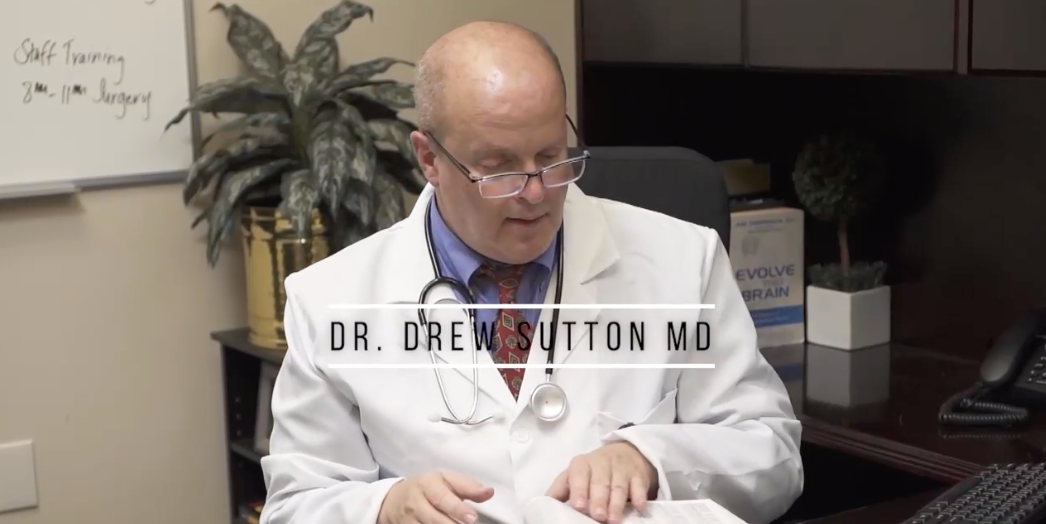
Let's dive into a question that's popped up in many a conversation, especially if you're someone who enjoys watching medical advice dished out online: Is Dr. Drew Sutton a real doctor? It's a valid and interesting question, particularly in an age where medical information, and sometimes misinformation, spreads rapidly. The fun part is figuring out the facts and separating them from internet rumors. Plus, understanding the credentials of online medical personalities can empower you to make informed decisions about your own health.
Why is this important for different audiences? For beginners just starting to explore health and wellness online, knowing how to verify a doctor's credentials is a crucial first step. It helps you avoid potentially harmful advice from unqualified sources. For families, this knowledge is invaluable in ensuring that the health information they're relying on for their children is accurate and trustworthy. Imagine relying on a "doctor" who isn't actually qualified! And for hobbyists, those who are deeply interested in health, fitness, and medical trends, understanding the landscape of medical professionals online allows them to critically evaluate the information they encounter and engage in more informed discussions.
So, about Dr. Drew Sutton... the short answer is yes, Dr. Drew Sutton is a real doctor. He is a licensed chiropractor. However, it's essential to understand the scope of his practice. Chiropractic medicine focuses on the diagnosis, treatment, and prevention of mechanical disorders of the musculoskeletal system, especially the spine. It's a specific field within the broader medical landscape. Some people may be surprised to learn that a chiropractor is, indeed, a doctor, holding a Doctor of Chiropractic (D.C.) degree. Understanding the type of doctor someone is, is just as important as knowing that they are in fact, a doctor.
Must Read
There are variations in how Dr. Sutton presents himself, depending on the platform. On some platforms, he is very clear about his field of expertise. On others, it is less clear to the average person, which can lead to confusion. It is up to us as consumers to educate ourselves on this topic and avoid confusion.

Here are some simple, practical tips for verifying a doctor's credentials, whether it's Dr. Sutton or anyone else you encounter online:
- Check for licensing: Most states have online databases where you can verify a doctor's license and see their educational background. Simply search "[state name] medical license lookup."
- Look for affiliations: Reputable doctors are often affiliated with hospitals or clinics. Check if the doctor mentions any affiliations and verify those independently.
- Read reviews with caution: While patient reviews can be helpful, take them with a grain of salt. Focus on patterns of feedback rather than individual anecdotes.
- Consult with your primary care physician: If you're unsure about advice you've received online, discuss it with your own doctor. They can provide personalized guidance based on your specific health needs.
- Understand their specialty: Research their stated area of expertise. Is it a recognized medical specialty? What does that specialty entail?
Ultimately, exploring the credentials of online medical figures like Dr. Drew Sutton is a valuable exercise. It encourages us to be more discerning consumers of health information and promotes a healthier, more informed approach to our own well-being. The enjoyment comes from feeling empowered to make smart choices and not blindly accepting everything we see online. So, go forth, research, and stay informed!

![ProDentim Review [The SNEAKY Truth Of Dr. Drew Sutton]](https://cdn-ccdol.nitrocdn.com/wAxiDdDhWREiAKVIzuqyaWSzAGEbmfhS/assets/images/optimized/rev-c2c1c89/www.effective-treatments.com/wp-content/uploads/2022/06/Dr.-Drew-Sutton-Creator-of-ProDentim-Tablets-For-Oral-Hygiene-1024x1024.jpg)