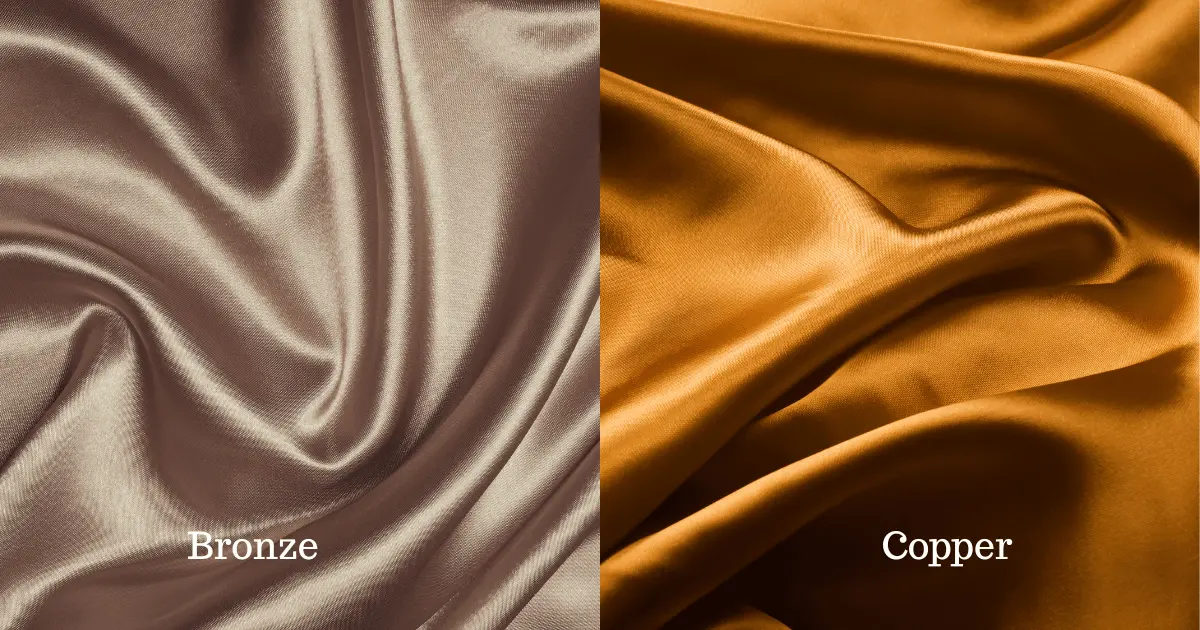
Is Copper And Bronze The Same

Ever looked at an old penny and then a shiny statue and thought, "Wait, are these the same material?" It's a fantastic question that many folks ponder, often leading to a bit of head-scratching. You see, the worlds of copper and bronze are super old, super important, and surprisingly distinct. They've shaped history, made art, and even kept us connected with electricity for ages. But are they twins separated at birth, or just really good friends? Let's dive into this sparkling mystery with a smile!
Meeting Mr. Copper
First up, let's chat about copper. Imagine a truly beautiful, reddish-orange metal. That's copper! It's one of nature's pure wonders. When we say 'pure,' we mean it's pretty much just copper atoms, hanging out together. It’s wonderfully soft and super bendy, which makes it perfect for things that need to be shaped easily. Think about the pipes carrying water in your house, the electrical wires behind your walls making everything run, or even those classic old pennies (the ones from before 1982, anyway!). Copper is an amazing conductor of heat and electricity, making it an absolute superstar in our modern world. It’s reliable, sturdy in its own way, and has a lovely warm glow. It’s the solitary hero, strong on its own.
Enter Ms. Bronze: A Party Animal!
Now, let's bring in bronze. If copper is the pure, solo act, then bronze is definitely a band – a fantastic mixture, or as scientists like to say, an alloy! Think of it like baking a cake. You start with flour (that's our copper), but then you add sugar, eggs, and maybe some chocolate chips to make something totally new and often even better. For bronze, the main ingredient is still our good friend copper, making up the bulk of it. But then, it gets a special additive, usually a dash of tin. Sometimes other elements like zinc or manganese join the party too, but tin is the classic sidekick that makes bronze truly unique.
Must Read
Why Mix Things Up? The Power of Friendship!
So, why bother mixing things up? Why not just stick with pure copper? Well, that's where the magic of the alloy really shines! While copper is soft and bendy, adding tin to it makes it much, much harder and stronger. It's like giving copper a superpower! This newfound toughness meant that ancient people could create amazing tools, weapons, and armor that were far superior to anything made from pure copper. This was such a game-changer that an entire period of human history is named after it: the Bronze Age! Suddenly, people could make sturdy axes, sharp swords, and durable shields. It was a true revolution, all thanks to a clever mix.
Spotting the Difference in Real Life
You've likely seen bronze without even realizing it. Many famous statues, especially older, grand ones, are often made of bronze. Think of magnificent sculptures standing tall in city squares or the iconic clanging bells in church steeples – those are typically bronze! Its strength and resistance to corrosion (it doesn't rust easily) make it perfect for lasting art and outdoor displays. Copper, on the other hand, is generally used where its excellent conductivity or malleability is key, like in electrical wiring or intricate plumbing systems. They both have their own special jobs, perfectly suited to their unique characteristics.
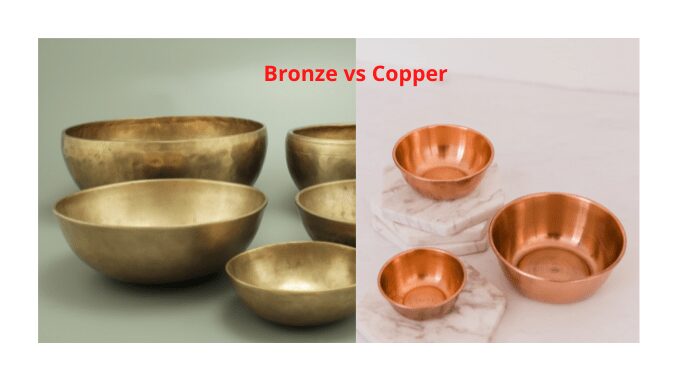
So, let's put it simply: copper is like a glass of pure, refreshing water. It's fantastic on its own! Bronze, however, is like that same glass of water, but with a squeeze of lemon and a spoonful of sugar, turning it into zesty lemonade. It's still mostly water, but the added ingredients give it a whole new flavor, a new kick, and a new purpose. It’s an upgraded version, specifically engineered for greater strength and durability.
"One is a pure element, the other a mighty mixture!"That's the core difference right there. It’s not just a subtle variation; it’s a fundamental change in composition that leads to very different properties and uses.
So, Are They The Same?
So, are copper and bronze the same? Absolutely not! They are distinct materials, each with its own incredible story and vital role in our world. Copper is the pure, soft, electrically brilliant metal, while bronze is its stronger, harder, and often more artistic cousin, formed by adding another element, usually tin. Next time you spot an ancient artifact, a gleaming statue, or even a humble electrical wire, take a moment to appreciate the fascinating science behind these metals. It's pretty wild to think how a simple mix can change everything, isn't it? Keep those curious eyes open, and you'll find amazing stories everywhere, even in the metals around us!