
Is Coal Better Than Natural Gas
Alright, let's get cozy and chat about something that might sound a bit heavy, but I promise we’ll keep it light and breezy. We’re diving into the energy world today to ponder a question that’s surprisingly twisty: Is coal better than natural gas?
Now, before you roll your eyes and think, "Oh no, another science lecture," hear me out! This isn't about picking a definitive winner like it's a wrestling match. Instead, it’s about unraveling the cool, complex, and sometimes messy story behind how we power our lives. Think of it like trying to decide if an old, trusty pickup truck is "better" than a sleek, modern electric car. It totally depends on what you need it for, right?
Meet the Contenders: Coal and Natural Gas
First up, let’s quickly introduce our two main characters. On one side, we have Coal. Imagine solidified sunshine, packed with energy, formed over millions of years from ancient plants. It’s been a bedrock of human progress, literally fueling the Industrial Revolution. It’s that old-school powerhouse, the grandfather of our energy grid.
Must Read
Then there's Natural Gas. This is like coal’s slicker, often invisible cousin. It’s also formed from ancient organic matter, but it's... well, gas! We usually find it deep underground, sometimes alongside oil. It’s often touted as the "cleaner" fossil fuel, a bit more modern in its appeal.
So, the stage is set. Let’s peek under the hood of each and see what makes them tick, for better or worse.
The Case for Coal: The Old Reliable
Back in the day, coal was the undisputed champ. And even now, it has some sturdy qualities. For starters, it’s incredibly abundant in many parts of the world. We know where it is, and we know how to dig it up. It’s like having a gigantic, well-stocked pantry. Plus, it's pretty easy to store and transport. You can pile it up, ship it across oceans, and it just waits patiently to be burned.

Historically, coal has also been relatively cheap to extract in some regions, making it an accessible power source for developing economies. It’s been the backbone of industries, providing countless jobs and powering nations for centuries. It’s hard to argue with that kind of historical impact, isn’t it?
Coal's Not-So-Sunny Side: The Gritty Reality
But let’s be real, coal comes with some serious baggage. When you burn it, it releases a whole cocktail of stuff into the air. We’re talking about smog-forming pollutants, particles that make our skies hazy, and things that cause acid rain. Not exactly a breath of fresh air, right?
And then there's the big one: carbon dioxide (CO2). Coal power plants are some of the biggest emitters of CO2, a major greenhouse gas contributing to climate change. It’s like the energy equivalent of a car with a really, really dirty exhaust pipe. Plus, the mining itself can leave lasting scars on the landscape and affect the health of miners. So, while reliable, it's definitely got a "dirty" reputation.

Enter Natural Gas: The "Cleaner" Kid on the Block
Natural gas often steps into the ring with a halo, marketed as the "cleaner" fossil fuel. And in many ways, it is! When burned, it produces significantly less air pollution – less soot, less smog, and significantly less of the stuff that causes acid rain compared to coal. It’s like swapping out that old, smoky pickup for a newer model that passes emissions tests with flying colors.
Crucially, for the climate discussion, natural gas power plants produce about half as much carbon dioxide per unit of electricity as coal plants. That’s a pretty big deal! It's why many see natural gas as a "bridge fuel," helping us transition away from coal while we develop more renewable energy sources.
Natural Gas: Any Hidden Kinks?
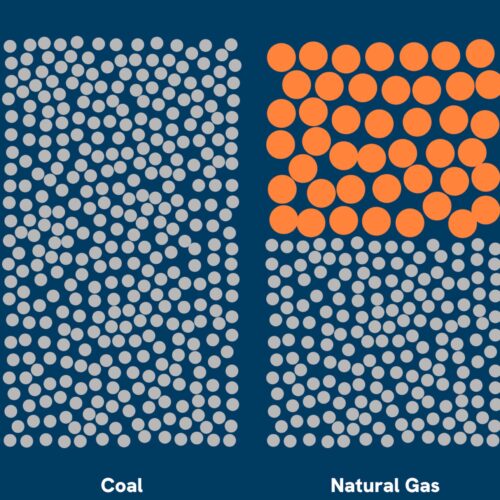
Hold on a second, though. Even our "cleaner" cousin isn’t without its own set of challenges. The biggest one? Methane. Natural gas is primarily methane, and while burning it is cleaner, methane itself is a super-potent greenhouse gas if it escapes into the atmosphere unburned. We're talking about leaks from wells, pipelines, and processing plants. It's like having a leaky gas tank – even if your engine is efficient, some fuel is just escaping into the air.
Then there's the extraction method, often "fracking" (hydraulic fracturing). This has raised concerns about water contamination, local seismic activity, and the sheer amount of water required. So, while it helps with CO2, it introduces other environmental puzzles.
So, Is One Truly "Better"?
This is where it gets interesting, and frankly, a bit nuanced. If we’re talking about air quality and immediate CO2 emissions at the power plant, then natural gas definitely has the edge over coal. It's simply less polluting when it combusts, making our immediate environment a little happier.
However, if we factor in methane leaks from the entire supply chain, the story gets a bit more complicated. And if we consider the ultimate goal of moving to truly carbon-free energy, then both are still fossil fuels, both contributing to climate change in their own ways.
It’s not just about what they emit when burned, but the entire lifecycle – from digging it up or extracting it, to transporting it, to burning it, and dealing with the waste. It’s like judging a meal not just by how it tastes, but by where the ingredients came from and what kind of mess it leaves in the kitchen!
The Real Takeaway: It's All About Progress
Ultimately, this isn't a simple "A vs. B" debate. Both coal and natural gas have played, and continue to play, significant roles in our energy landscape. But as we get smarter about our planet and our future, we’re constantly looking for better ways.
The conversation isn't really about which fossil fuel is "better," but rather about how we can best transition away from all fossil fuels towards truly sustainable, renewable sources like solar, wind, and hydro power. They’re the real long-term game-changers, offering truly clean energy without the sticky questions of pollution or greenhouse gases.
So, next time you flip a light switch, take a moment to appreciate the complex journey of that energy. It's a fascinating world, and being curious about it is the first step to making smarter choices for our planet. Pretty cool, right?