Is Carbon Monoxide Detector Same As Smoke Detector
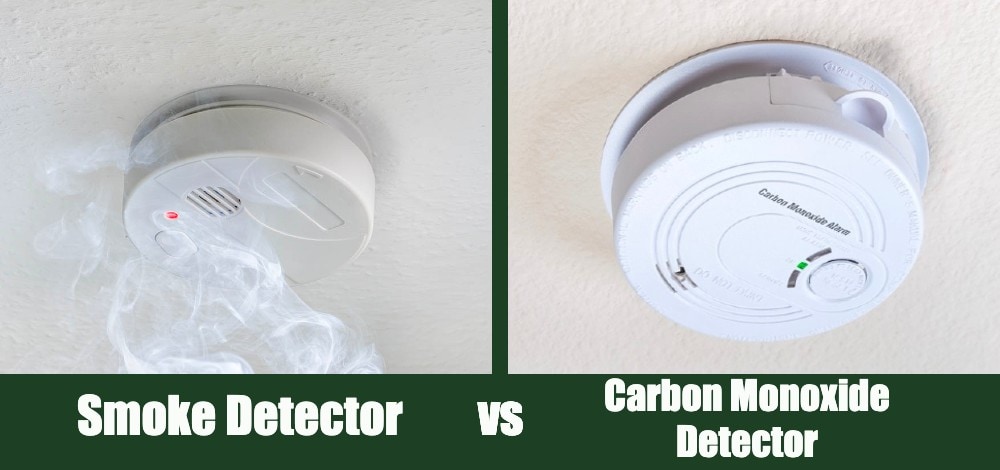
Ever looked at those little white discs on your ceiling or wall and wondered, "Are they all the same thing?" It's a fantastic question, and one that often pops up when we're thinking about keeping our homes and loved ones safe. Today, we're going to dive into the world of home safety devices to clarify a common query: Is a Carbon Monoxide detector the same as a Smoke detector? It's a surprisingly important distinction, and understanding it brings a real sense of peace of mind, especially for families and new homeowners.
Let's clear the air right away: no, a carbon monoxide detector is not the same as a smoke detector. While they both play crucial roles in protecting your home, they are designed to detect completely different threats. Think of them as two different kinds of superheroes, each with their own unique superpower! A smoke detector's primary purpose is to alert you to the presence of smoke, which is an early sign of fire. It gives you those precious minutes to evacuate safely, potentially saving lives and property from a blaze. This is vital for everyone, from beginners setting up their first apartment to seasoned homeowners.
On the other hand, a carbon monoxide (CO) detector has a very different mission. Carbon monoxide is often called the "silent killer" because it's an invisible, odorless, and tasteless gas. It's produced when fuels like gas, oil, wood, or charcoal don't burn completely, which can happen with faulty furnaces, water heaters, fireplaces, or even car exhaust. The CO detector's job is to sniff out this dangerous gas before it can cause serious illness or even death. For families with children or pets, and anyone with fuel-burning appliances, this unseen guardian is absolutely non-negotiable.
Must Read
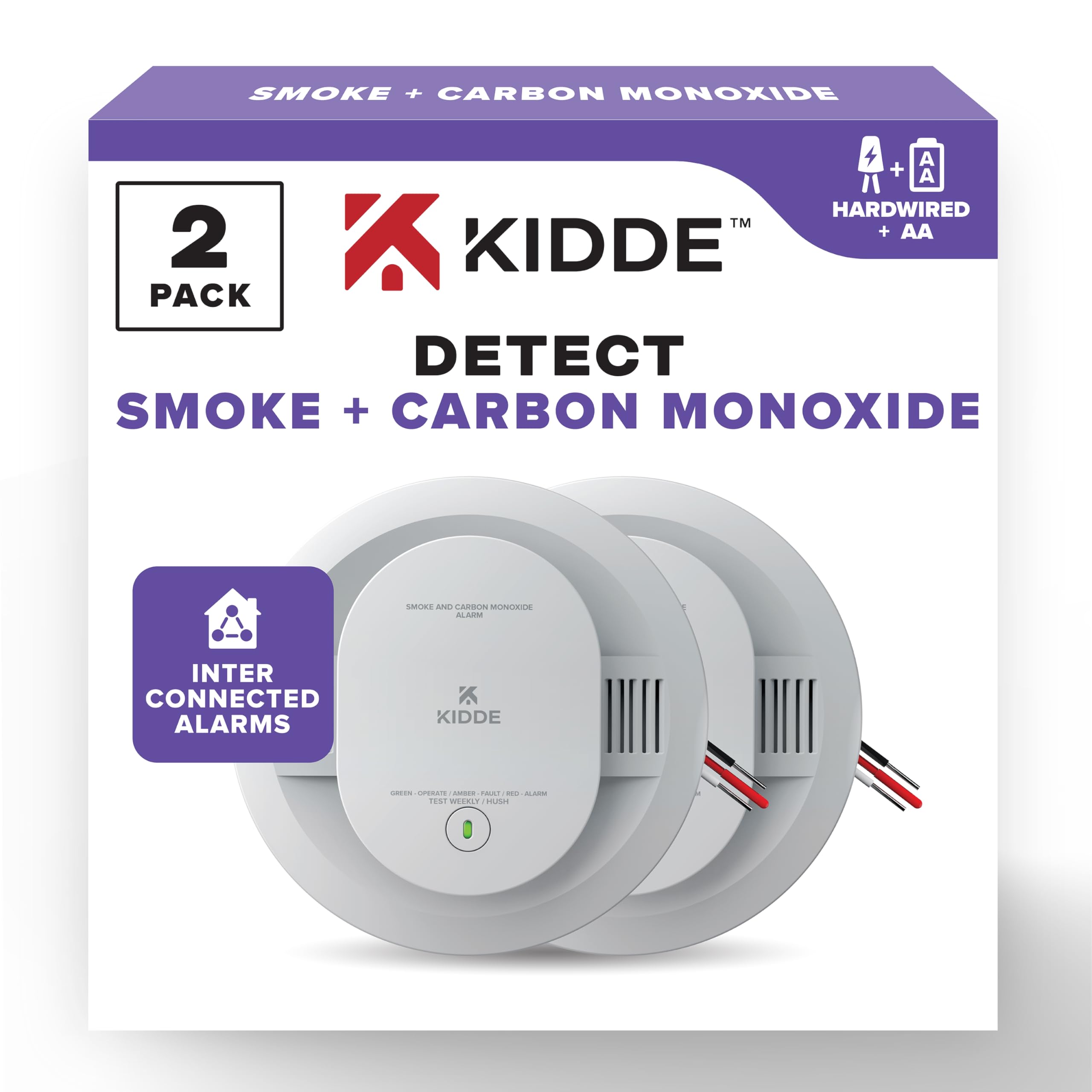
So, how do you make sure your home is fully protected? First, check what you already have. Many modern devices are actually combo units, which means they detect both smoke and CO in one handy gadget. These are a great option for convenience, but it's important to confirm that they indeed have both detection capabilities. Look for labels that clearly state "Smoke and Carbon Monoxide Alarm." As for placement, smoke detectors are best on every level of your home, especially inside and outside sleeping areas, usually high on a wall or ceiling. CO detectors should be placed near sleeping areas and also near any fuel-burning appliances like your furnace or water heater. If you have an attached garage, a CO detector near the entrance to your home is a smart move too.
Getting started with better home safety is surprisingly simple. Here are some quick tips: First, identify your current detectors. Do you have both smoke and CO coverage? If not, make a plan to acquire them. Second, test them regularly! Press that test button once a month to ensure they're working. Third, change batteries twice a year – a good rule of thumb is to do it when you change your clocks for daylight saving time. And finally, remember that these devices don't last forever; they have an expiration date (usually 5-10 years), so check the back of your units for replacement dates. Investing in these essential devices isn't just about following rules; it's about making a conscious choice to protect your loved ones and enjoy the incredible peace of mind that comes with a truly safe home.