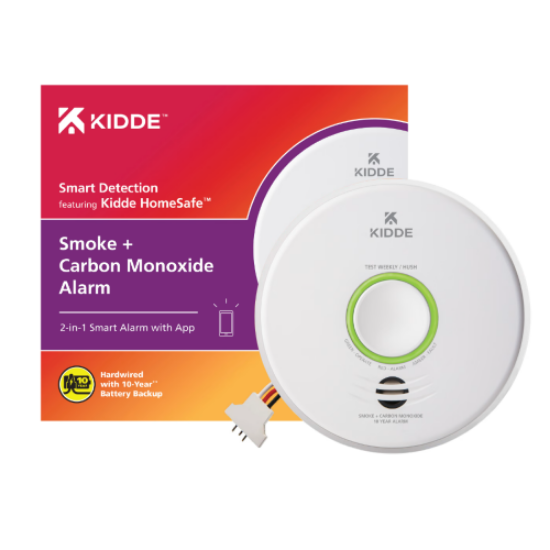
Is Carbon Monoxide Alarm Same As Smoke Alarm

Ever found yourself staring up at that little disc on your ceiling, wondering, "Is that a smoke alarm or a carbon monoxide alarm?" You're definitely not alone! It's a super common question, and honestly, it’s a really important one for every homeowner, renter, or even just someone crashing at a friend's place. Understanding the difference isn't just about being "smart" – it's about keeping yourself and your loved ones safe. It might seem like a small detail, but these devices are your home's first line of defense against some pretty serious invisible dangers, making this topic both incredibly useful and something everyone should be aware of for a little extra peace of mind.
So, let's clear up the confusion! For beginners, the simplest way to put it is this: a smoke alarm detects smoke, usually from a fire. A carbon monoxide (CO) alarm detects carbon monoxide gas, which is odorless, colorless, and highly toxic. They're designed to do different jobs, like apples and oranges! For families, understanding this distinction is paramount. You want to protect your little ones and pets from both the immediate threat of fire and the "silent killer" that is CO. Having the correct alarms, and knowing they're doing their specific jobs, lets you sleep better at night. Even for the budding home enthusiast or DIYer, knowing the purpose of each alarm helps you decide where to place them optimally and why investing in both is a smart move for overall home safety.
While they might look similar, these devices are actually detecting entirely different threats. Smoke alarms typically come in two main types: ionization (better at detecting fast-flaming fires) and photoelectric (better at detecting slow, smoldering fires). Many modern smoke alarms are now dual-sensor, combining both technologies. Carbon monoxide alarms, on the other hand, are specifically calibrated to sense CO levels in the air. You'll find variations like simple battery-operated units, plug-in models with battery backup, and even wired units that integrate into your home's electrical system. And yes, you can get combo units that detect both smoke AND carbon monoxide, which can be convenient, but it's still crucial to remember they’re two separate sensors in one package, each doing its own vital work.
Must Read
Getting started with better home safety is surprisingly easy! Here are some simple, practical tips: Firstly, check your alarms regularly. A good rule of thumb is to press the test button once a month. Secondly, replace batteries annually, or whenever they chirp to indicate low power – a great reminder is to do it when you change your clocks for daylight saving time. Thirdly, know where to put them! Smoke alarms should be on every level of your home, inside and outside sleeping areas. CO alarms should also be on every level, especially near sleeping areas and any fuel-burning appliances (like furnaces, water heaters, or fireplaces). Finally, remember that alarms don't last forever. Smoke alarms typically need replacing every 10 years, and CO alarms every 5-7 years. Always check the manufacturer's date on the back of the unit.
So, are a carbon monoxide alarm and a smoke alarm the same? Definitely not! They are distinct, essential pieces of home safety equipment, each designed to protect you from different dangers. By taking a few moments to understand their differences and follow some basic maintenance steps, you're not just buying a device; you're investing in everyday peace of mind and creating a significantly safer environment for everyone under your roof. It's a small effort for a huge reward!