Is A Water Bill A Utility Bill

Ever found yourself sorting through a stack of monthly bills, maybe a little bewildered, and wondered, "Is this water bill truly a utility bill, or is it something else entirely?" It's a surprisingly common thought, and understanding the answer isn't just a fun piece of trivia; it’s actually quite relevant for managing your household finances, understanding leases, and generally feeling more clued-in about the services that keep our homes running smoothly. Let's dive in and unravel this everyday mystery with a relaxed and curious mind.
At its heart, a utility bill is a charge for essential services that provide convenience and comfort to our daily lives. Think electricity, natural gas, and yes, water. These services are often delivered by public or private companies and are fundamental to modern living. The purpose of a water bill, specifically, is to cover the cost of providing clean, potable water to your home and, often, the subsequent treatment of wastewater (sewer services). The benefit of recognizing your water bill as a utility is clarity. It helps you accurately budget, understand your responsibilities as a homeowner or renter, and appreciate the infrastructure that brings a refreshing glass of water right to your tap.
This understanding has practical applications in many facets of daily life. For instance, imagine you’re renting an apartment. The lease agreement will typically stipulate which utilities are included in your rent and which you’re responsible for. Knowing that water is a primary utility means you'll factor it into your monthly expenses if it's not covered by the landlord. Or, if you're buying a home, budgeting for ongoing costs is crucial, and the water bill will be a regular, predictable utility expense alongside electricity and gas. In an educational context, personal finance classes often use household bills as tangible examples for budgeting exercises, making the water bill a perfect case study for understanding recurring expenses and resource management. It also encourages a deeper appreciation for conservation, as less water usage directly translates to a lower utility bill.
Must Read
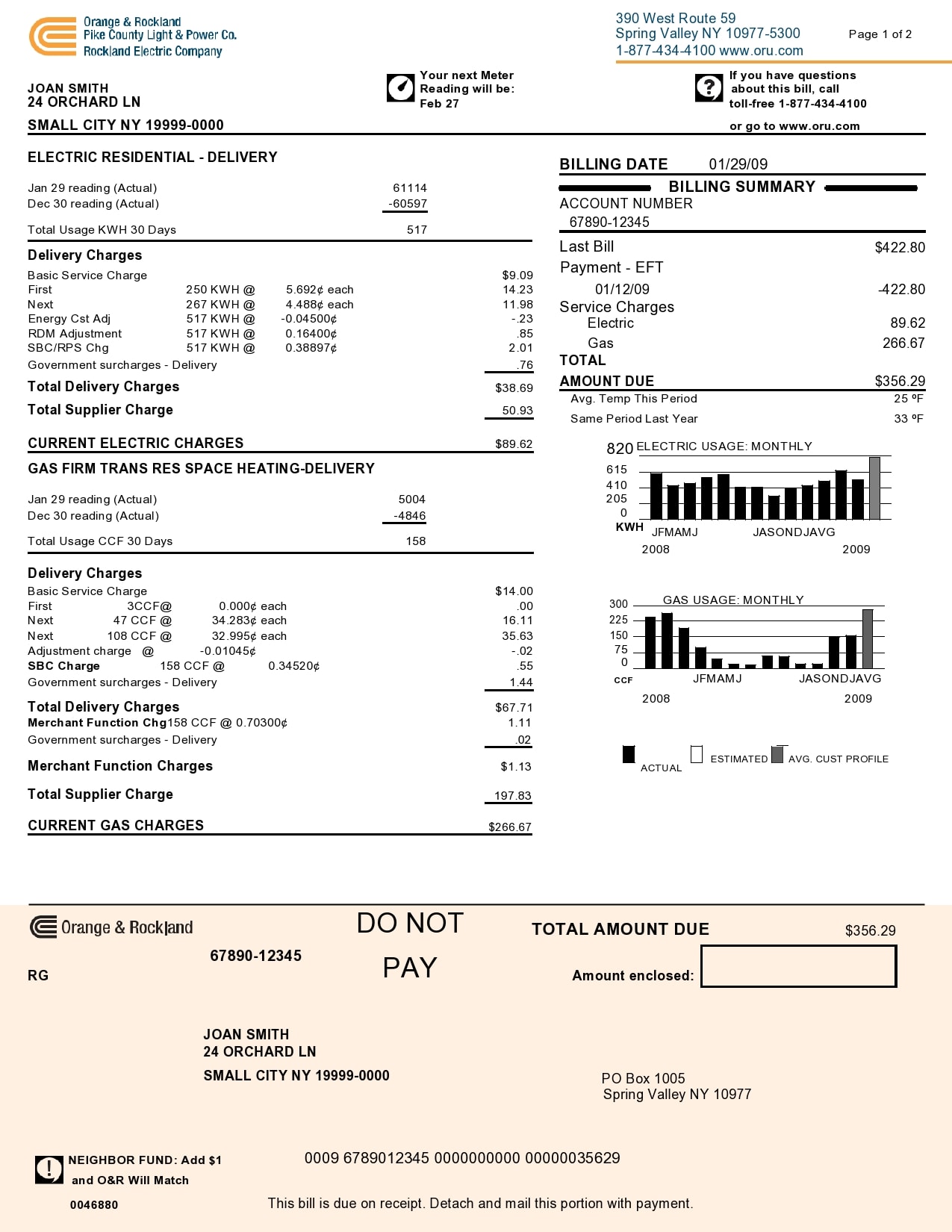
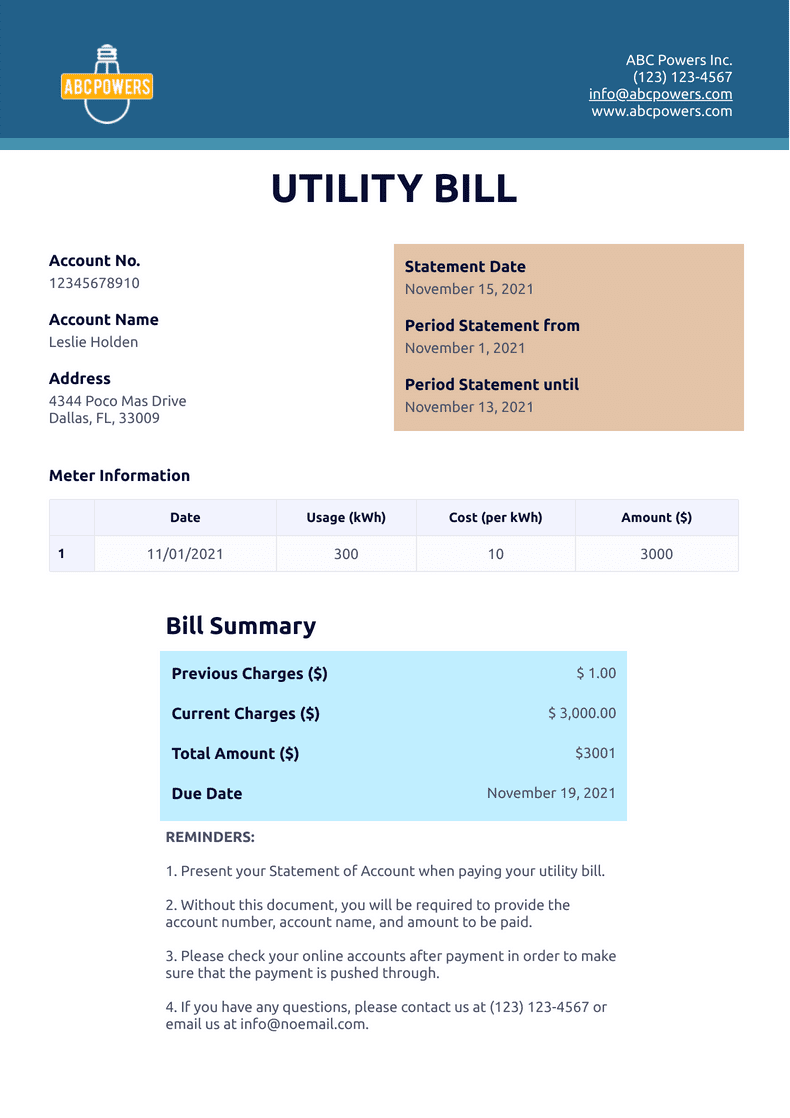
So, how can you explore this topic further and apply your newfound knowledge? A super simple way is to grab your latest water bill. Look at the company name – often a municipal water department or a regional utility provider – and you’ll see it falls right in line with how other utilities operate. If you're renting, take another look at your lease agreement under the "utilities" section. You'll likely see water listed there, or at least covered by the broader term. For a bit more investigation, a quick search for "what are utilities?" online will confirm water's place alongside electricity and gas. And finally, consider how your daily habits impact your water utility bill. Taking shorter showers or fixing a leaky faucet aren't just good for the environment; they're smart financial moves that directly affect a key household utility. It's empowering to understand the moving parts of your home life, and recognizing your water bill as the utility it truly is, is a great step in that direction!