
Is A Smart Lock Safer Than A Deadbolt
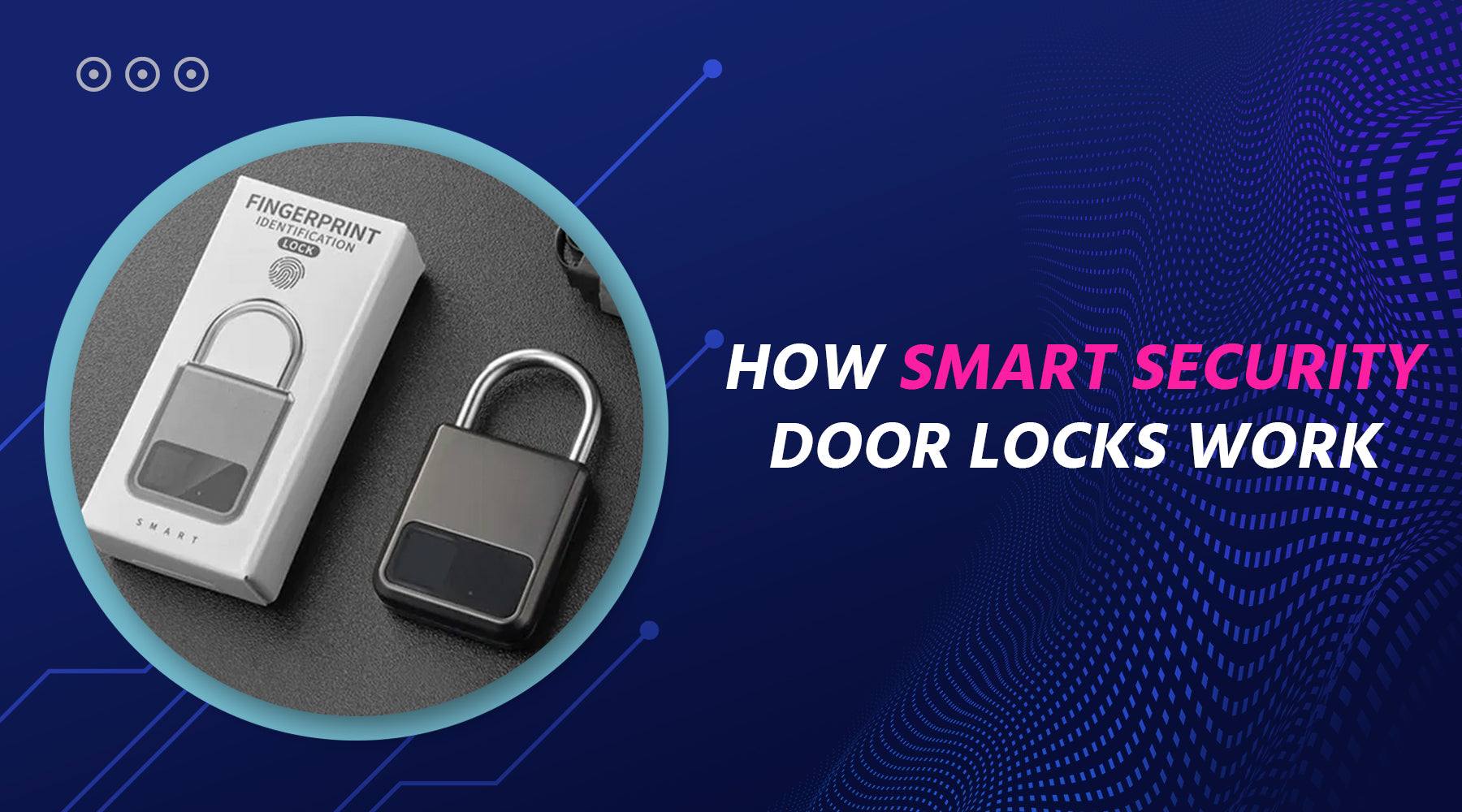
Ever stood outside your front door, patting every pocket like a deranged magician searching for a rabbit, only to realize your keys are doing a happy dance inside? Or maybe you’ve had that sudden dread when you realize you gave a spare key to a friend who… well, let’s just say they’re not on your Christmas card list anymore?
Welcome to the great modern dilemma: the trusty old deadbolt versus the shiny new smart lock. When it comes to keeping your castle secure, is one truly safer than the other? Let’s grab a cup of coffee and chat about it, shall we?
The Old Guard: Our Beloved Deadbolt
Ah, the deadbolt. Our good ol' deadbolt, bless its sturdy heart, is like that reliable, slightly grumpy uncle who's always there, never asks for Wi-Fi, and just works. It’s a physical fortress. When you throw that bolt, you feel a satisfying thunk, a declaration that says, “Nope, not today, bad guys!”
Must Read
Its strength is in its simplicity. It’s a hunk of metal, deeply embedded in your door frame. To defeat it, someone generally needs to bring tools, make noise, and exert some serious effort. It’s the bouncer at the door, relying on pure, unadulterated physical presence.
But even Uncle Deadbolt has his Achilles' heel. Those pesky little things called keys. Keys can be lost, stolen, or copied without you even knowing. And let's not forget the infamous “spare key under the mat” or “in the fake rock” – a secret that practically every villain in a sitcom already knows.
So, while physically robust, its security often hinges on your key management skills, or lack thereof. Losing a key can be a nightmare of re-keying locks or, worse, living in quiet anxiety.
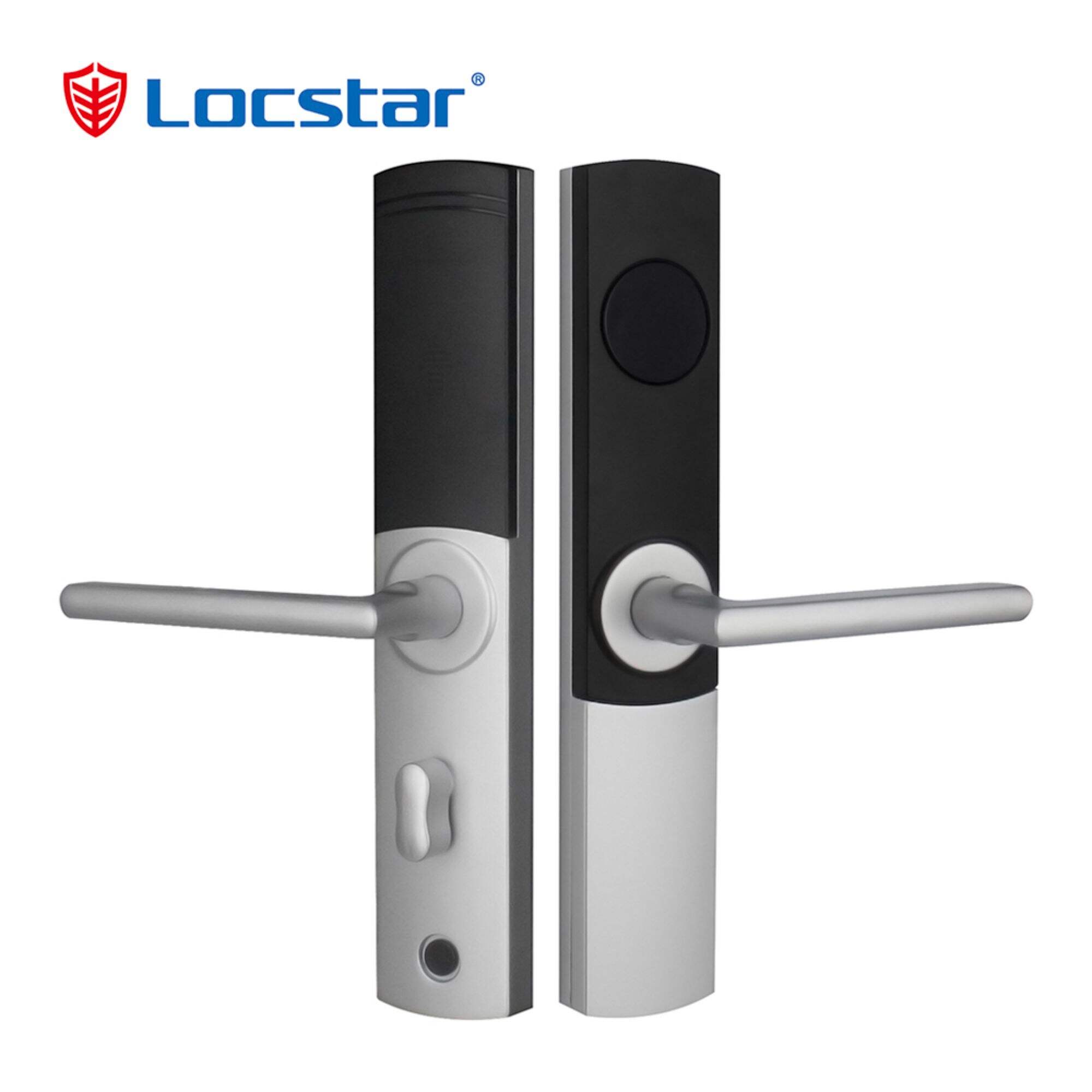
The New Kid on the Block: The Smart Lock
Then there’s the smart lock, the tech-savvy cousin who shows up with all the gadgets, can open the door with a whisper, and probably orders your groceries too. These aren't just locks; they're tiny computers guarding your entrance.
The immediate appeal? No physical keys! Imagine never patting your pockets again. You can unlock your door with your phone, a fingerprint, or even a numerical code. It's like magic, but with more encryption.
Smart locks offer incredible convenience and a different layer of security. You can grant temporary access codes to the dog walker, the plumber, or that friend who always forgets their jacket, then revoke it faster than you can say "squirrel!" Plus, many come with monitoring features, sending alerts to your phone if the door is opened or if someone's just loitering a bit too long.
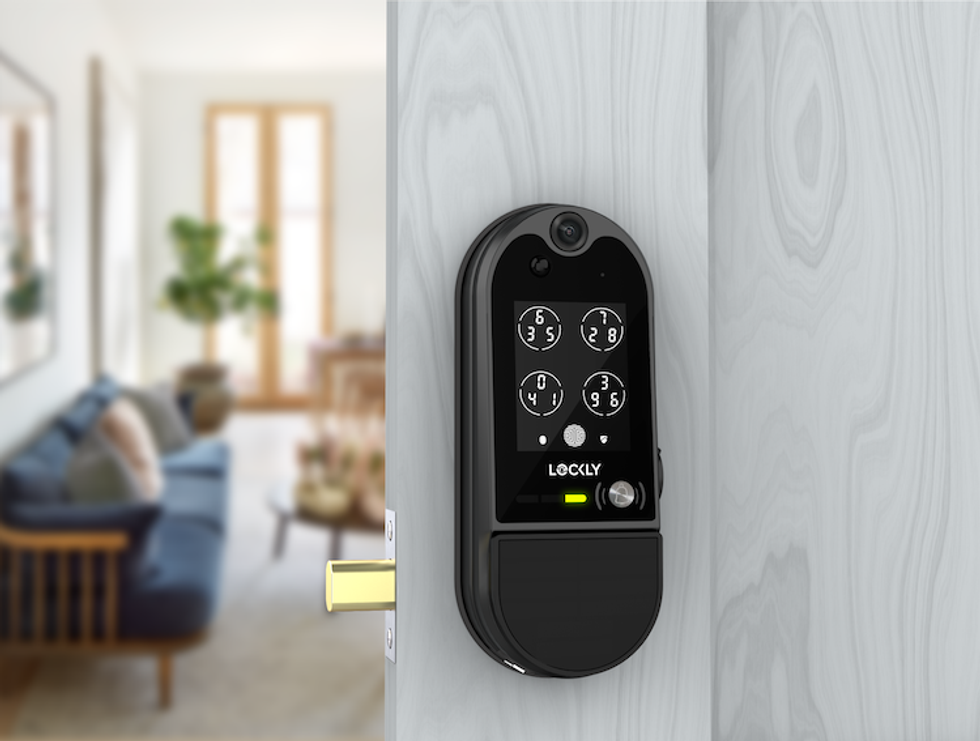
It’s like having an invisible bodyguard who also sends you text messages.
Where the Wires Get Crossed: Safety Concerns
Now, this is where the debate gets juicy. For deadbolts, the vulnerability often comes down to physical attack or key compromise. A determined burglar with the right tools can potentially pick or force a deadbolt, given enough time and privacy. And if they get their hands on a key? Game over.
For smart locks, the boogeyman is often thought to be hacking. "What if someone hacks my Wi-Fi and gets in?" While possible in theory, most reputable smart locks use robust encryption, making them incredibly difficult for the average cyber-scoundrel to crack. It's usually easier to pick a physical lock than to hack a well-secured smart lock.
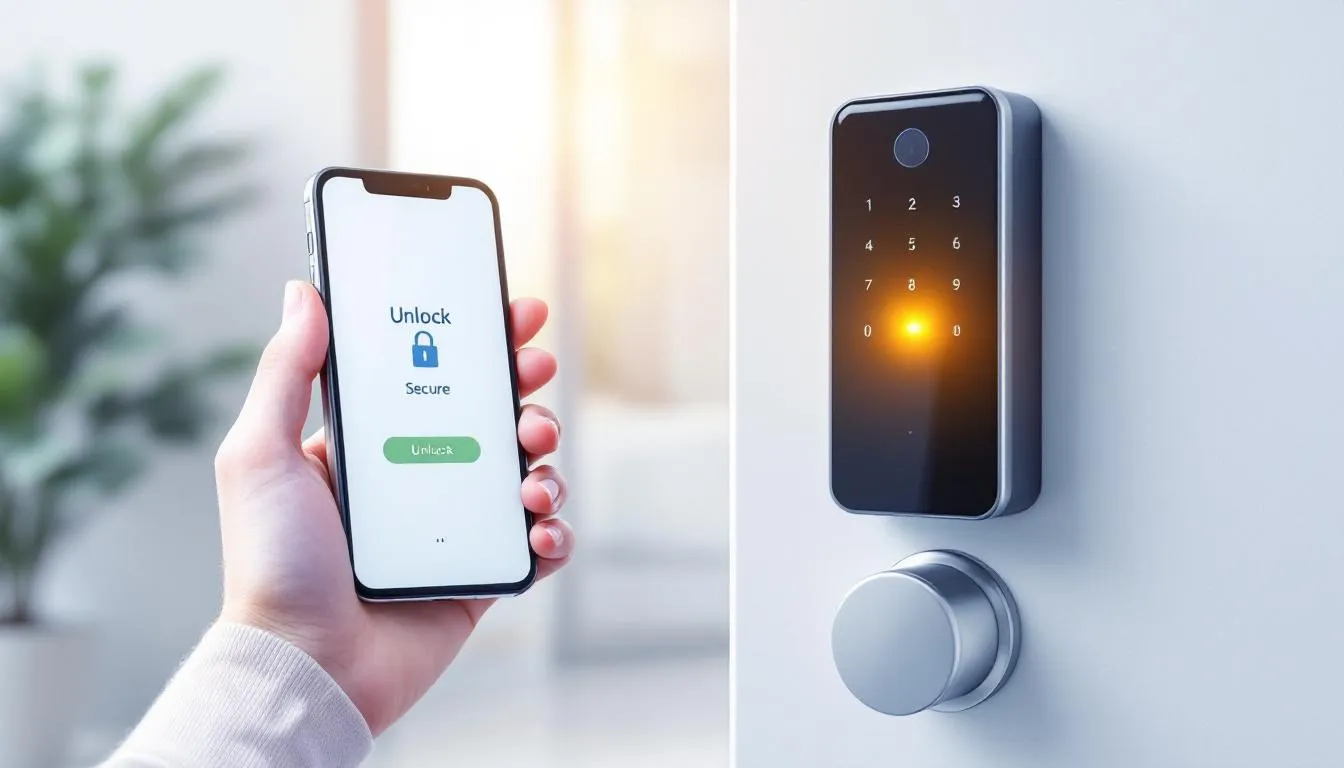
However, smart locks have their own quirks. Battery life, for one. Nothing screams 'modern problem' like being locked out because your lock's batteries decided to stage a silent protest. (Though most have backup key slots or emergency power options, thankfully!) And what if your phone dies? Or you lose internet access? These are the real-world glitches that can make you yearn for the simplicity of a metal key.
So, Which is Safer?
Honestly? It's not a simple "yes" or "no." It's more like asking if a tank is "safer" than a stealth jet. They’re both super secure, but in different ways and for different threats.
A deadbolt excels against brute-force attacks. It’s physically imposing. If your primary concern is someone trying to kick down your door, a high-quality deadbolt is still a formidable deterrent.

A smart lock excels in key management and monitoring. If your biggest worry is lost keys, unauthorized key duplication, or wanting to know who's coming and going, the smart lock is your champion. It practically eliminates the physical key risk.
Many people find the combination of both to be the ultimate sweet spot: a robust deadbolt for physical security, and smart lock features (perhaps on a different lock or integrated) for convenience and monitoring.
Ultimately, the "safer" choice often comes down to your personal habits, your comfort with technology, and what kind of peace of mind you're looking for. Both are vastly superior to a flimsy knob lock, that's for sure! Just remember, whether it's an old key or a new app, the most important part of your home security is you and how you manage it.