Is A New Ac Unit Tax Deductible

Ah, the sweet embrace of cool air on a sweltering summer day! There’s a special kind of bliss that comes with stepping indoors and feeling that refreshing chill wash over you, melting away the heat and humidity. Air conditioning isn't just a luxury; for many of us, it's a fundamental part of modern living, a silent hero that makes our homes havens and our workplaces productive.
Think about it: AC allows us to truly enjoy our summers, not just survive them. It keeps our bedrooms cool enough for a restful night's sleep, prevents our kitchens from becoming saunas when we're cooking, and generally makes daily life more comfortable. Beyond personal comfort, it protects our electronics from overheating, helps preserve certain goods, and creates healthier indoor environments by filtering out allergens and controlling humidity. From homes and offices to cars, hospitals, and grocery stores, air conditioning is working tirelessly behind the scenes, making countless aspects of our lives smoother and safer.
To truly savor your AC, a few practical tips can make a world of difference. First, regular maintenance is key – remember to change those filters! A clean filter means more efficient cooling and better air quality. Consider investing in a smart thermostat to program your cooling schedule and save energy when you’re away. Keep windows and doors sealed, use curtains or blinds to block direct sunlight, and set your thermostat to a reasonable temperature (often 75-78°F is comfortable and energy-efficient) rather than blasting it to arctic levels. Enjoying AC effectively is all about balance and smart usage!
Must Read
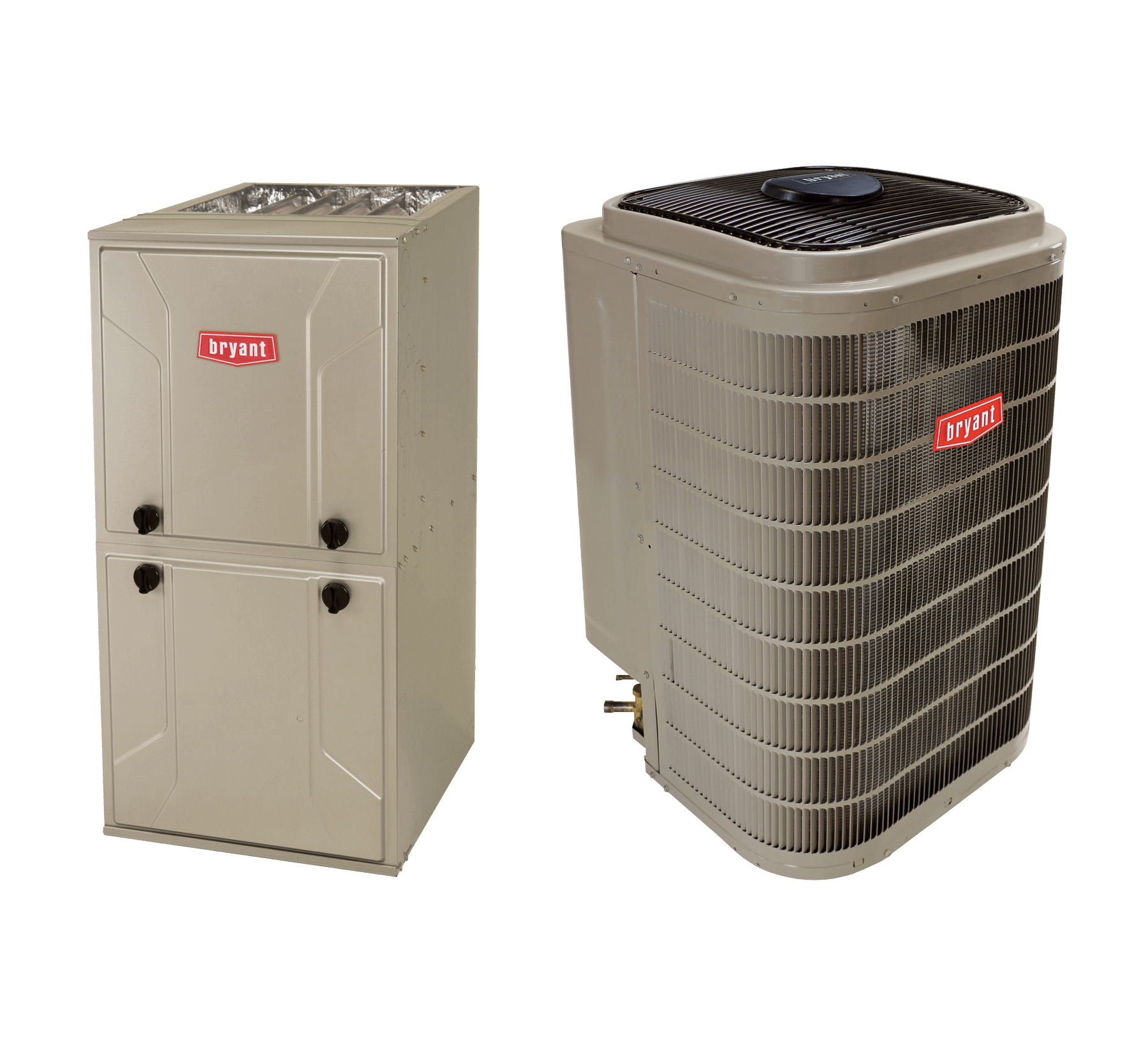
Now, let's tackle the burning question that often accompanies the hefty price tag of a new unit: Is a new AC unit tax deductible? It’s a dream many homeowners have, imagining a nice chunk of change back from Uncle Sam. Unfortunately, for most residential homeowners, the straightforward answer is usually no, not directly as a deduction. A new AC unit is generally considered a capital improvement to your home. This means it adds to the basis of your property (what you originally paid for it plus improvements) and might reduce your taxable gain when you eventually sell the house, but it isn't an immediate deduction on your annual income tax return.

However, there are a few nuanced scenarios where you might see some tax relief, though they are specific:
- Energy Efficiency Credits: This is your best bet! The government often offers federal tax credits for specific energy-efficient home improvements, including certain high-efficiency HVAC systems. These aren't deductions but dollar-for-dollar reductions of the tax you owe. Look into credits like the Residential Clean Energy Credit (for certain heat pumps) or the Nonbusiness Energy Property Credit. Crucially, your new AC unit must meet stringent energy efficiency standards (e.g., specific SEER ratings) to qualify. Always check the latest IRS guidelines and consult with a tax professional.
- Medical Necessity: In very rare cases, if an AC unit is installed primarily for a specific medical condition (e.g., severe respiratory issues, allergies) prescribed by a doctor, a portion might be deductible as a medical expense. However, this is subject to a high Adjusted Gross Income (AGI) threshold, meaning you can only deduct the amount exceeding a certain percentage of your AGI. Documentation is paramount.
- Rental Property: If you own a rental property, a new AC unit is a depreciable asset. You can't deduct the full cost immediately, but you can deduct a portion of its cost over its useful life through depreciation. This doesn't apply to your primary residence.
So, while the immediate gratification of a direct tax deduction for your shiny new AC unit is generally a mirage for homeowners, don't despair! Focus on the incredible comfort and increased home value it brings. And definitely explore those energy efficiency tax credits – they could offer a welcome silver lining to your cooling investment!