
Is A Heat Pump Better Than An Air Conditioner

Okay, let's talk about staying cool (or warm!). We've all been there – summer's here, and your AC is working overtime, sounding like a jet engine preparing for takeoff. Or, winter hits, and you're layering up like an onion because your heating system decided to take a vacation. The question is: are you using the right equipment? Today, we're diving into the age-old debate: Heat Pump vs. Air Conditioner. Which one reigns supreme?
Air Conditioners: The Summer Specialists
Think of your air conditioner as that friend who's amazing at planning beach trips. Pure summer vibes, all the time. An AC unit is built to do one thing, and one thing only: cool your home. It sucks the hot air out and blows lovely, chilled air back in. Simple, effective, and often, relatively affordable to purchase initially.
However, here's the catch. Once the leaves start turning and the temperature drops, your AC becomes about as useful as a snow cone machine in Antarctica. It's a one-trick pony, folks. It’s designed to only cool, and that's where its talents end. You'll need a separate heating system – a furnace, electric baseboards, or maybe even a charming (but inefficient) wood-burning stove. (Remember the childhood memories of trying to get the fire started, only to end up smelling like campfire for a week?)
Must Read
Heat Pumps: The Year-Round Champs
Now, enter the heat pump. Imagine a heat pump as that super-versatile friend who can rock a summer BBQ and a winter ski trip. A heat pump is essentially an AC unit that can run in reverse. Seriously! In the summer, it functions just like a regular AC, pulling heat out of your house. But in the winter, it reverses the process, extracting heat from the outside air (yes, even when it's cold!) and pumping it inside.
“Wait,” you might be saying, “Heat from cold air? That sounds like magic!” Well, it's not quite magic, it's science! There's always some heat present, even in freezing air, and a heat pump is designed to grab that minuscule heat and amplify it.
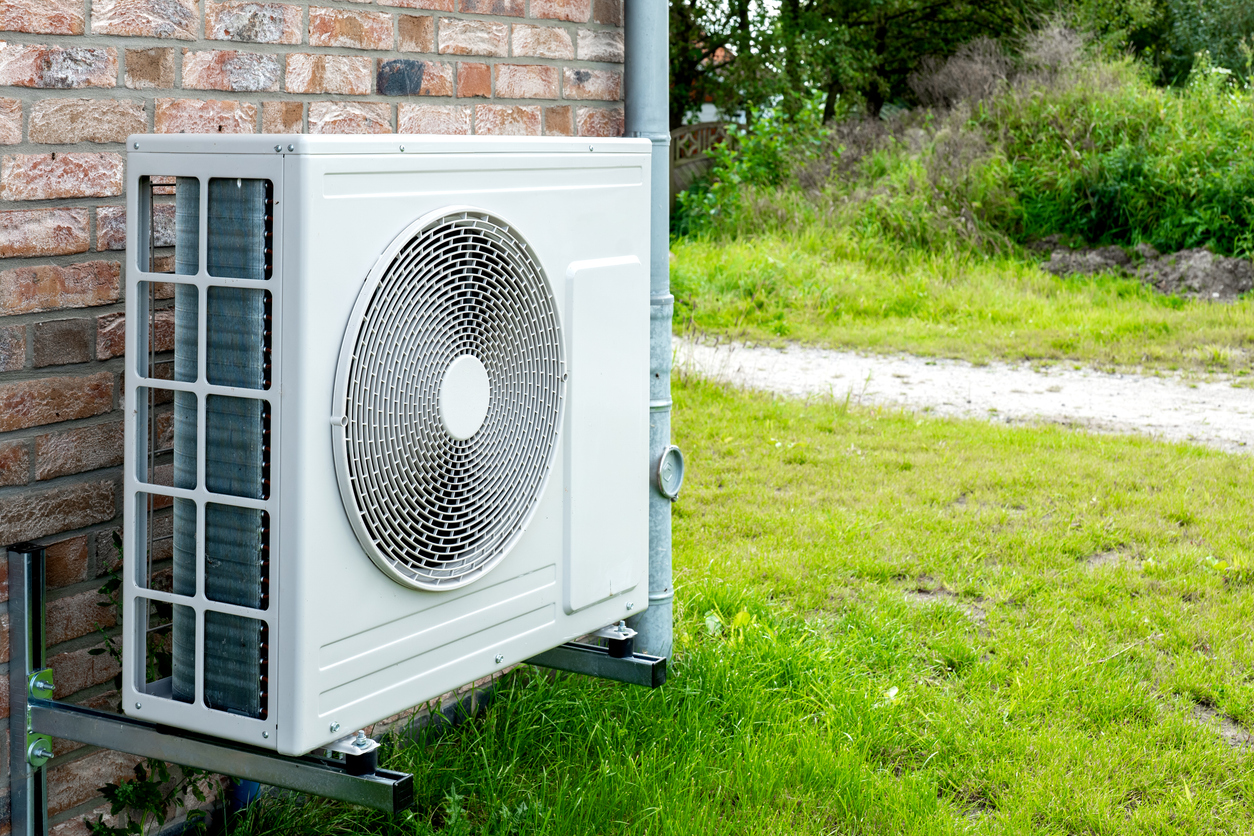
Think of it like this: imagine trying to wring out the last bit of water from a seemingly dry towel. A heat pump does something similar with heat. Very efficient!
The Cold Truth About Heat Pumps
There’s a catch, though. Heat pumps can struggle in extremely cold climates. When the temperature dips way below freezing, their efficiency drops significantly. They might still provide some heat, but they'll be working overtime (and costing you more money) to keep your house warm. Think of it like asking your versatile friend to juggle chainsaws while riding a unicycle – they can do it, but it's not going to be pretty (or energy-efficient).
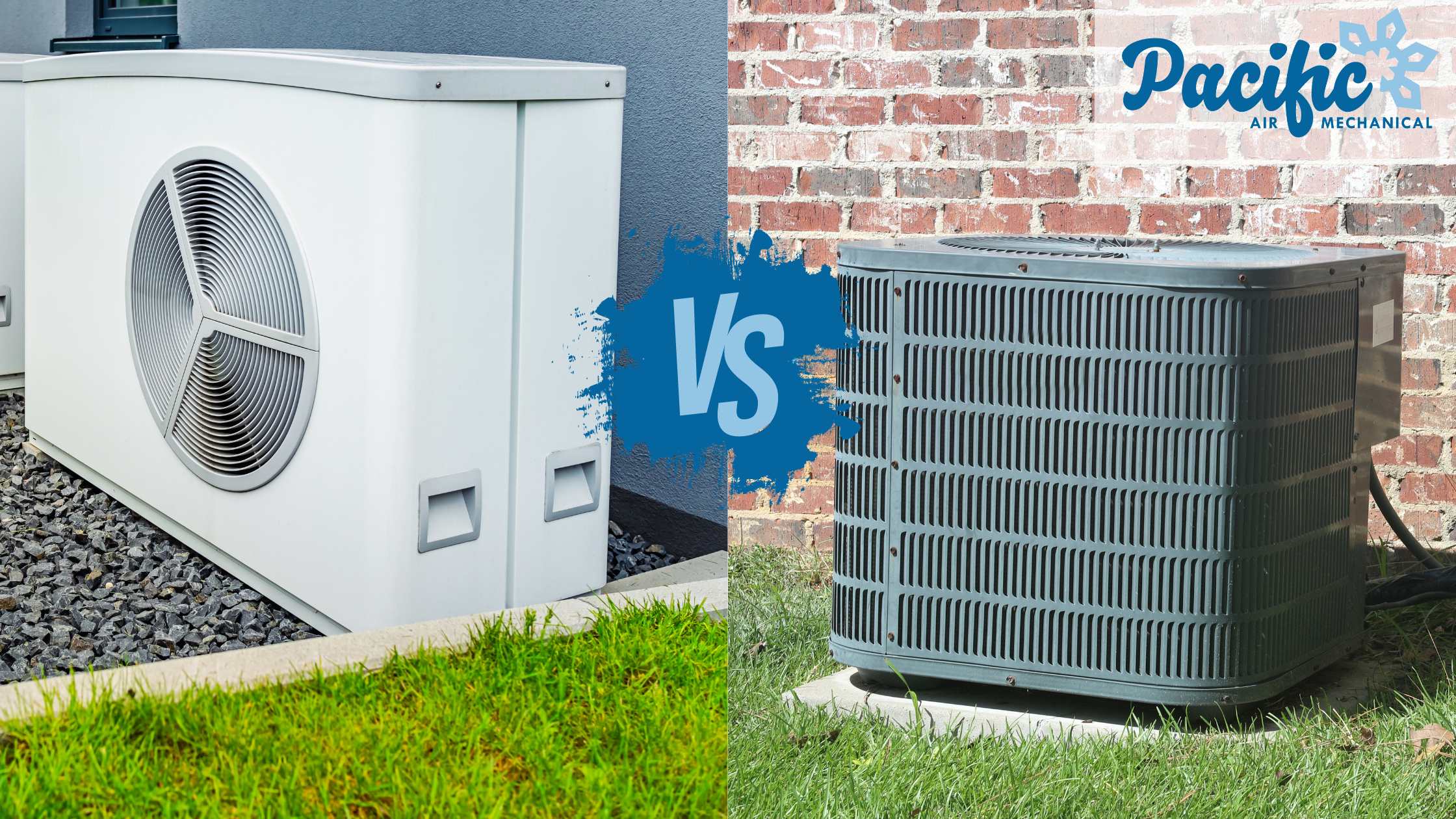
This is where supplemental heating comes in. Many heat pump systems include a backup electric resistance heater that kicks in when the heat pump can't quite keep up. It's like having a little extra "oomph" when needed. However, relying heavily on that electric resistance heater can negate some of the energy savings you get from using a heat pump in the first place.
Cost & Efficiency: The Nitty-Gritty
Generally, heat pumps are more expensive to install upfront than air conditioners. Think of it like buying a Swiss Army knife vs. a single screwdriver. But in the long run, a heat pump can save you money on your energy bills, especially if you live in a climate with moderate winters. They are remarkably efficient at moving heat, using less energy than traditional electric resistance heating systems.
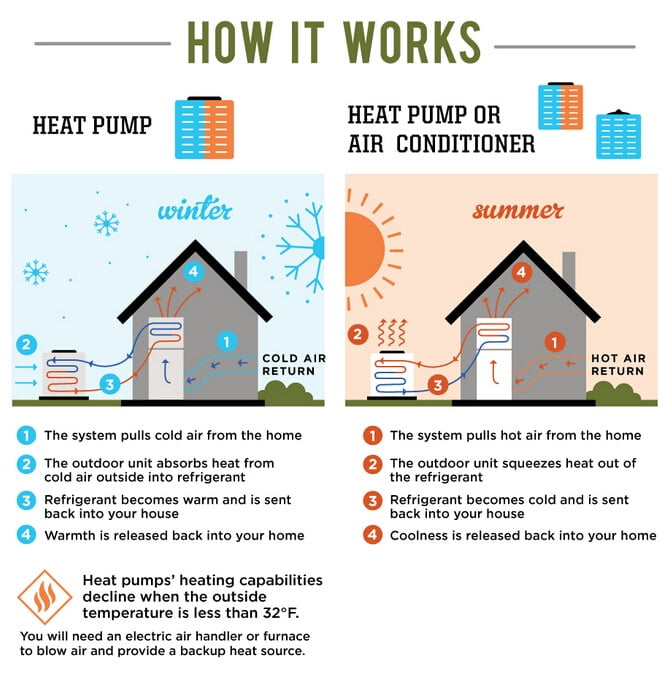
On the other hand, if you live in a place with scorching summers and mild winters, an air conditioner might be the more cost-effective choice. It really boils down to your climate and how you plan to use your system.
So, Which One is Better?
The truth? It depends. There’s no one-size-fits-all answer here. It's like deciding between pizza and tacos – both are delicious, but it depends on your mood (or in this case, your climate and budget!).
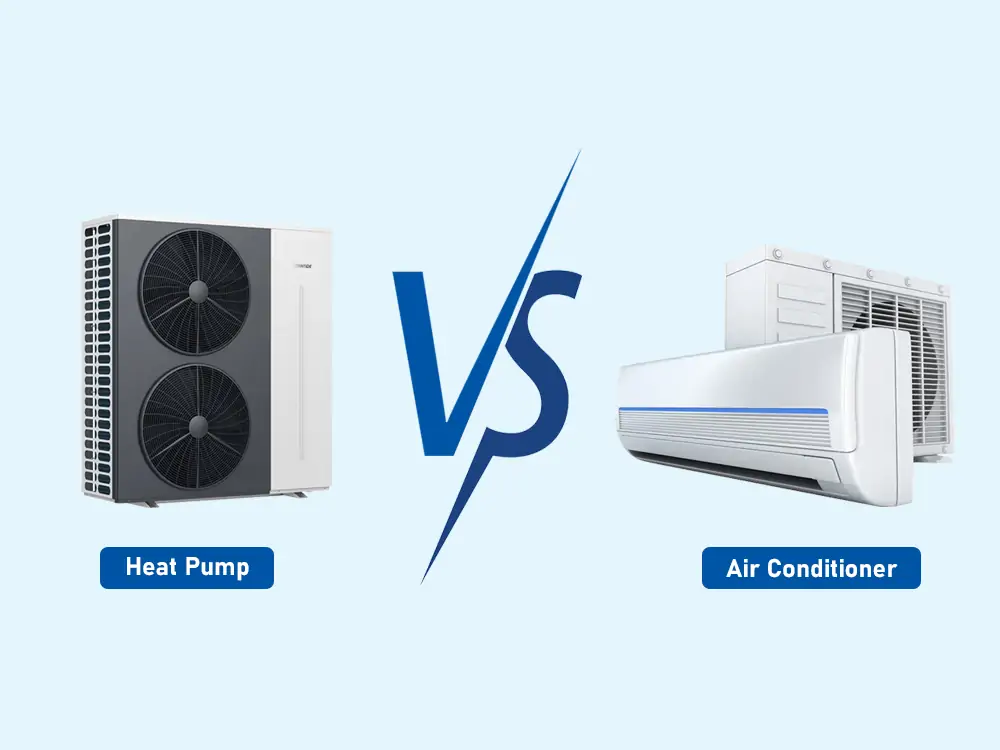
Consider these factors:
- Climate: Mild winters? Heat pump might be your hero. Harsh winters? Consider supplemental heating or a more robust heating system.
- Budget: Initial cost vs. long-term energy savings.
- Energy efficiency: How much do you care about reducing your carbon footprint and saving money on utility bills?
- Long term: Think about how long you plan to stay in your house. Is the upfront investment worth it for long-term savings?
Talk to a qualified HVAC professional! They can assess your specific needs and help you choose the best system for your home and your wallet. They are the experts! Let them take a look at your energy needs, climate, and the size of your home before you make a decision.
Ultimately, whether you choose an AC or a heat pump, the goal is the same: comfort. Stay cool (or warm), my friends!