
Is A Dolphin A Carnivore Herbivore Or Omnivore

Hey there, curious minds! Ever looked at a dolphin leaping out of the water, a sleek and smiling silhouette against the sunset, and wondered what that magnificent creature chows down on for dinner? I know I have! And trust me, the answer is more fascinating than you might think. Get ready to dive into the dietary habits of these ocean acrobats. (Pun intended, of course! 😉)
So, What's on the Dolphin Menu?
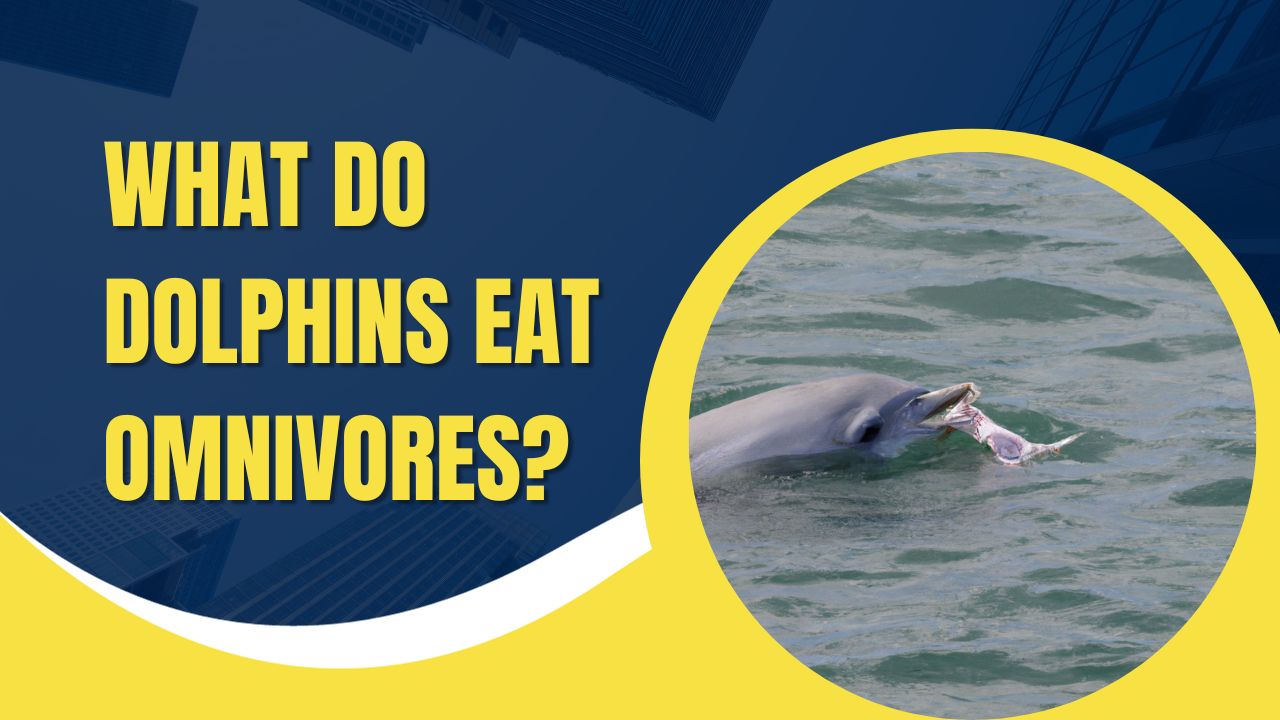
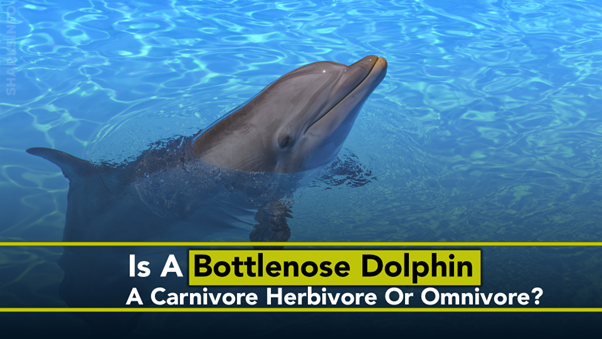
Alright, let's cut to the chase. Is a dolphin a carnivore, herbivore, or omnivore? The answer is: carnivore! That's right, these playful ocean dwellers are primarily meat-eaters. You won't find them grazing on seaweed or munching on underwater lettuce. But what kind of meat are we talking about?
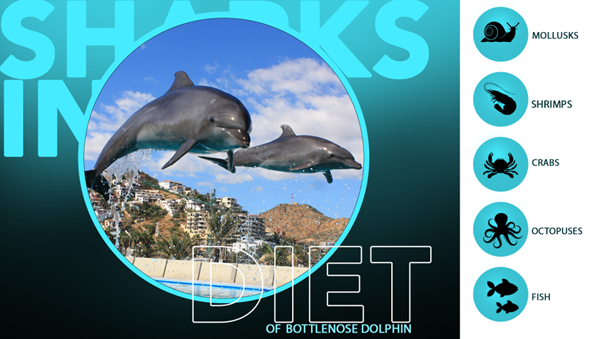
Think fish, squid, and crustaceans. Yummy! (Okay, maybe not your yummy, but definitely yummy for a dolphin!) Depending on the species and location, a dolphin’s diet can vary quite a bit. Some might specialize in certain types of fish, while others have a more varied palate. It's like they're choosing from a global seafood buffet every day!
Must Read
Ever thought about how different dolphin species eat? Let's take a quick peek...
- Bottlenose Dolphins: These guys are the generalists of the dolphin world. They'll eat a wide variety of fish, squid, and even the occasional crustacean. Talk about being adaptable!
- Orcas (Killer Whales): Okay, okay, technically they're dolphins too! And some orcas eat anything from fish and seals to even whales! Whoa, talk about a powerful predator.
- River Dolphins: Living in freshwater environments, these dolphins feast on river fish, crustaceans, and other aquatic critters. They've adapted to a totally different aquatic environment compared to their ocean-dwelling cousins.
How Do They Catch Their Dinner?
Now that we know what dolphins eat, let's talk about how they eat. These aren't your average underwater diners! Dolphins are incredibly intelligent and resourceful hunters, using a variety of techniques to snag their meals. It's almost like watching a highly choreographed underwater ballet of hunting precision!
One of the coolest techniques is echolocation. They emit clicks and listen for the echoes to create a "sound picture" of their surroundings. This allows them to locate prey, even in murky waters or at night. It’s like having built-in sonar! Imagine having that superpower. You'd never lose your keys again!
Some dolphins work together in coordinated hunting groups. They might herd fish into a tight ball, making it easier to catch them. Or, they might create mud plumes to trap fish in shallow water. Talk about teamwork making the dream work! It’s incredible to see them working in harmony.
Why This Matters (And Why It's Fun!)
Okay, so why should you care whether a dolphin is a carnivore, herbivore, or omnivore? Well, understanding an animal's diet is crucial to understanding its role in the ecosystem. It’s a critical piece of the puzzle for wildlife conservation. Knowing what dolphins eat and how they hunt helps us protect their food sources and ensure the health of the entire marine environment. Plus, it’s just plain fascinating!
And let's be honest, learning about these amazing creatures makes life more fun! The more you know, the more you appreciate the complexity and beauty of the natural world. It's like unlocking a secret code to understanding the ocean's biggest personalities.
Plus, knowledge is power! Next time you're at a marine park or watching a nature documentary, you can impress your friends and family with your dolphin dietary expertise. You'll be the life of the party, I promise! (Okay, maybe not the life, but definitely a memorable guest 😉).
The Takeaway: Keep Exploring!
So, there you have it! Dolphins are carnivores, master hunters, and fascinating creatures. But this is just the beginning of the story. There's so much more to learn about these amazing animals and the ocean they call home. Each fact you learn can help you become a better steward of the planet.
Don't stop here! Read more books, watch more documentaries, and explore the wonders of the natural world. The more you learn, the more you'll appreciate the incredible diversity and interconnectedness of life on Earth. And who knows, maybe you'll be inspired to become a marine biologist, a conservationist, or just a more informed and engaged citizen of the world. The ocean is calling, and adventure awaits!
