Is 76 Degrees Hot Or Cold
Ah, the classic debate! You walk into a room, glance at the thermostat, and someone inevitably declares, "It's freezing in here!" while another insists, "Can we please turn down the heat?" Often, the magic number causing all this delightful disagreement hovers right around 76 degrees Fahrenheit. It’s a temperature that sparks friendly arguments in offices, homes, and even between perfect strangers on a patio. Why is this seemingly innocuous number such a hot (or cold) topic? Because it brilliantly illustrates just how subjective and fascinating our perception of comfort can be!
The purpose of diving into this delightful enigma isn't just to settle a debate – though wouldn't that be nice? – but to understand the myriad factors that influence our personal thermometers. By exploring why 76 degrees might feel like a warm hug to one person and a chilling breeze to another, we gain a deeper appreciation for individual differences and maybe, just maybe, foster a little more empathy when sharing temperature-controlled spaces. It's about recognizing that there's no single "right" answer, only a spectrum of experiences, making this a truly useful discussion for anyone who lives, works, or socializes with other human beings.
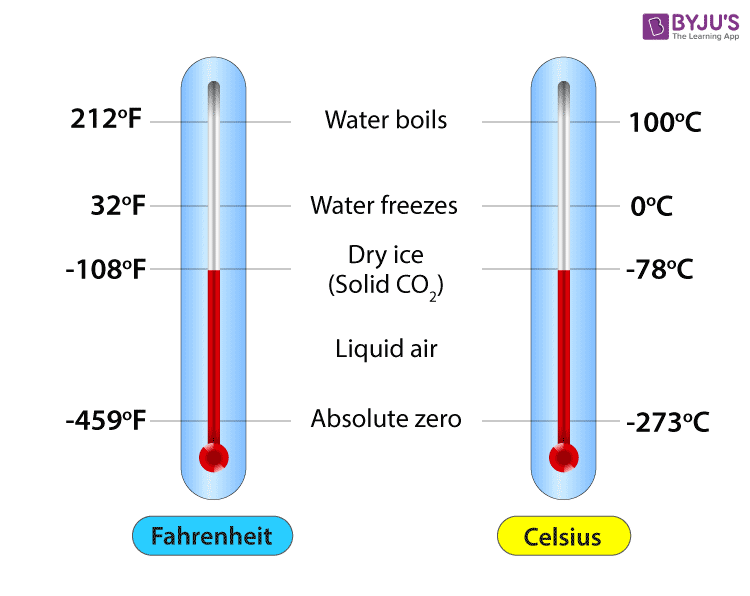
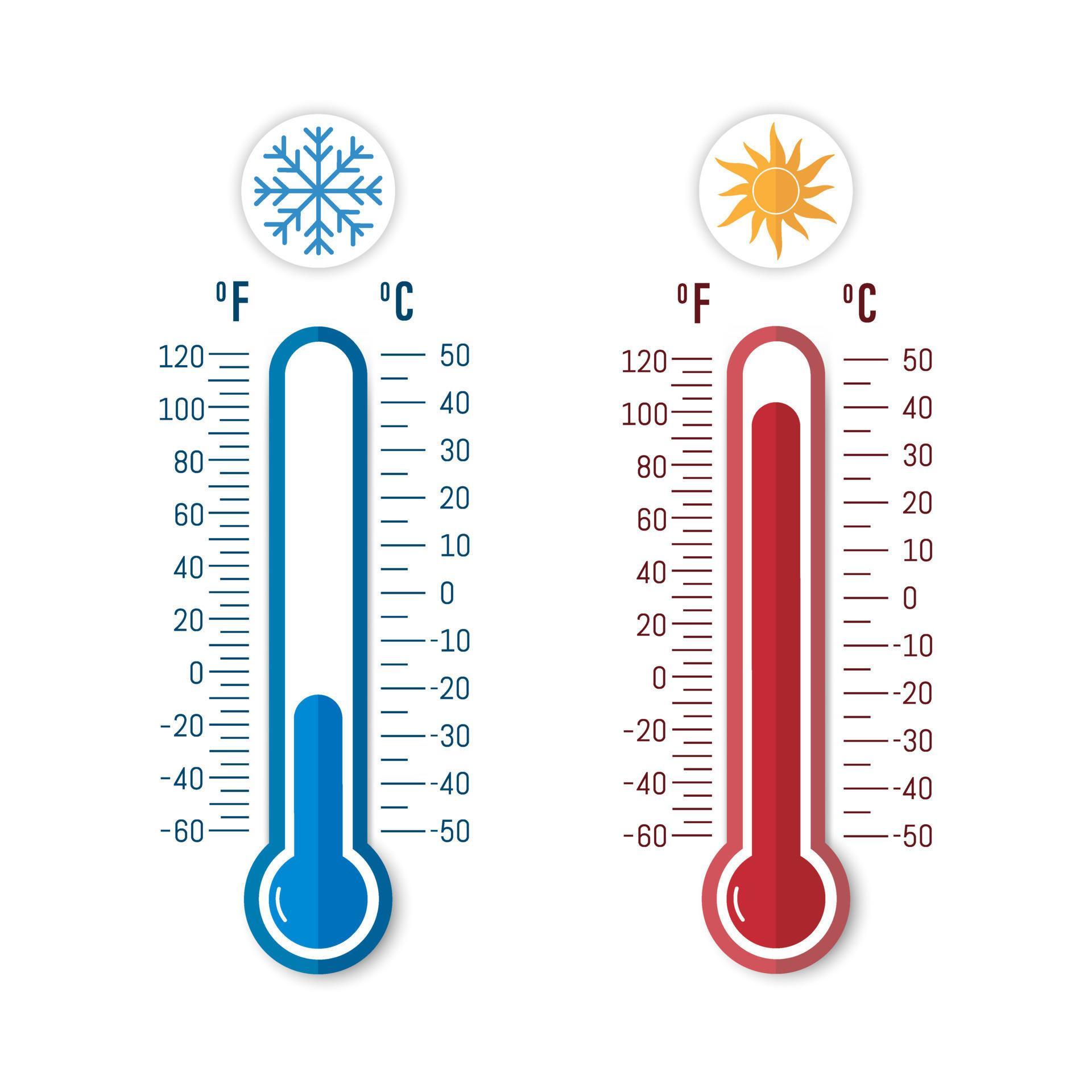
So, is 76 degrees hot or cold? The short, fun answer is: it depends entirely on you! For many, 76°F (around 24.4°C) sits squarely in the "pleasant" zone – that sweet spot where you're not sweating profusely or reaching for a blanket. It's often considered ideal for indoor environments, allowing for a comfortable balance. But this seemingly neutral ground can quickly become a battleground of comfort zones.
Must Read
Consider the humidity factor. A dry 76 degrees feels vastly different from a humid 76 degrees. In high humidity, sweat doesn't evaporate as efficiently, making you feel much warmer and stickier, even if the thermometer reading is the same. Then there's your activity level. If you’ve just come in from a brisk walk or an intense workout, 76 degrees might feel quite cool and refreshing. But if you’ve been sedentary, perhaps curled up on the couch reading, that same temperature might start to feel a bit too warm.
What about personal preferences and physiology? People's metabolisms differ, as do their body compositions. Someone with a higher metabolism might feel warmer more easily. Age can also play a role; younger individuals often tolerate cooler temperatures better than older adults. Even what you're wearing makes a huge difference! A person in a T-shirt and shorts will likely perceive 76 degrees differently than someone bundled in a long-sleeved shirt and trousers. Furthermore, acclimatization is key. If you've spent the past week vacationing in a tropical climate, 76 degrees might feel relatively cool. If you've just arrived from a chilly winter wonderland, it could feel wonderfully balmy.
Ultimately, 76 degrees isn't universally hot or cold; it's a fascinating benchmark that exposes the wonderful diversity of human comfort. The next time someone debates the temperature, remember that their experience is just as valid as yours. Embrace the variability, maybe grab a light sweater or a cool drink, and appreciate the quirky ways our bodies interact with the world around us. After all, what’s more fun than a little temperature-induced friendly banter?