
Is 75 A Prime Number Or A Composite Number
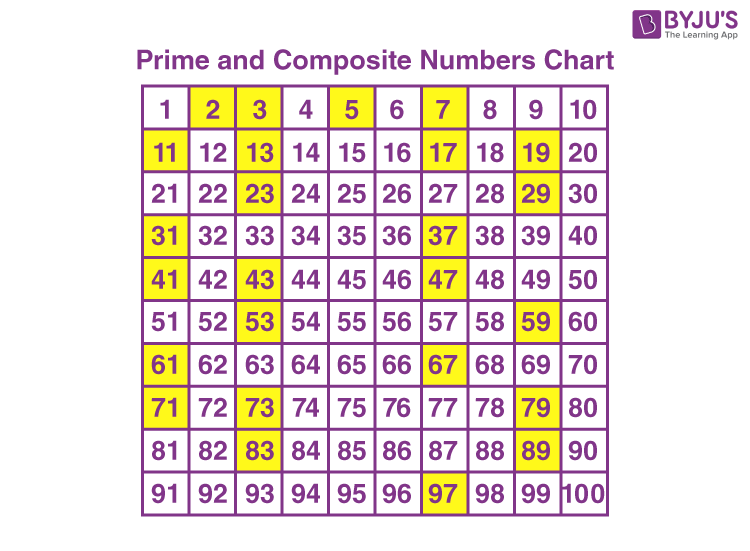
Hey there, number enthusiast! Ever get that nagging feeling, staring at a number and wondering, "Prime or composite?" Let’s tackle a common one: 75. Is it a lonely prime, or a bustling composite? Let's find out!
Prime Time? Nope!
First things first: what is a prime number? Think of it as a number that’s only friends with 1 and itself. Super exclusive, right? Examples include 2, 3, 5, 7, 11… you get the picture. They can't be divided evenly by anything else (besides 1 and themselves!).
Now, does 75 fit this description? Hmm... Let’s test it out. Grab your thinking cap!
Must Read
Here's a little secret: if a number ends in 0 or 5, it's almost guaranteed to be divisible by 5. That’s a massive clue, people! Boom!
So, can we divide 75 by anything besides 1 and 75? You betcha!
75 ÷ 5 = 15. Bingo! That means 75 has more friends than just 1 and itself. It's hanging out with 5 and 15 too.
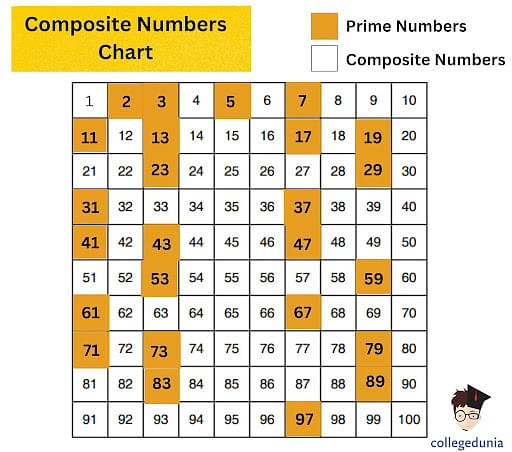
Therefore, 75 is definitely not a prime number. Case closed!
Composite Capers!
Okay, so 75 isn't a prime. That leaves us with one other possibility: it's a composite number! What does that even mean?
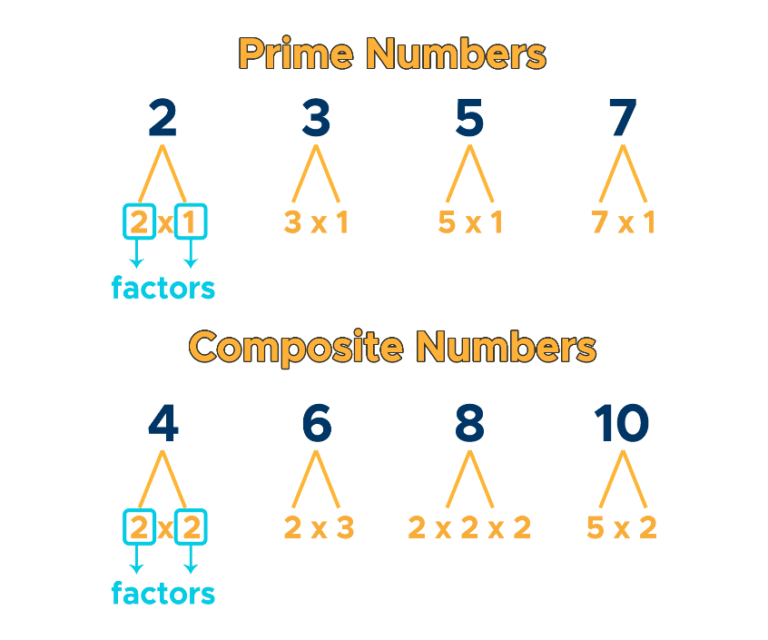
Simply put, a composite number is a number that can be divided evenly by more than just 1 and itself. They're more social butterflies than the primes. They enjoy having many divisors, not just two!
We already know 75 can be divided by 5. But wait, there's more!
Did you know that 75 is also divisible by 3? Yep! 75 ÷ 3 = 25. Even more friends!
This gives us the factors of 75: 1, 3, 5, 15, 25, and 75. That's a whole party of divisors! With this many factors, 75 is undoubtedly a composite number.
Why Bother with Prime and Composite Numbers?
Okay, I hear you. Why should you care about prime and composite numbers? It might seem like a random bit of math trivia. But trust me, they're everywhere!
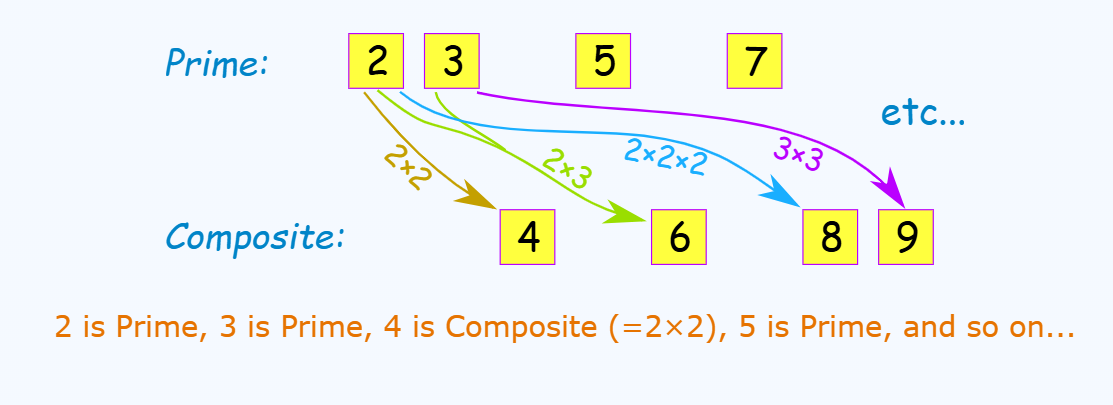
Prime numbers are the building blocks of all other numbers. They're like the atoms of the number world! Ever heard of encryption? Prime numbers are used in cryptography to secure online transactions and keep your data safe. Pretty cool, huh?
Composite numbers, on the other hand, are useful in everyday calculations, from dividing up pizza to figuring out measurements. The more you know, the better!
And honestly, it’s just plain fun to impress your friends with your newfound number knowledge. Imagine casually dropping into conversation, "Oh, 75? Definitely composite. Divisible by 3, 5, 15, and 25, you know." Instant respect! 😉
Fun Facts about 75 (Because Why Not?)
Since we’ve established that 75 is a composite number, let's throw in some random 75-related facts to spice things up:

- 75 is the atomic number of Rhenium (Re). You know, that super rare metal!
- There are 75 years in a diamond jubilee!
- In some sports, 75 is a significant score or target.
See? Even a simple number like 75 has hidden depths. Numbers are everywhere, and they all have stories to tell.
The Verdict
So, to recap: 75 is not a prime number. It’s a proud, thriving composite number with a lively social circle of divisors. It's divisible by 1, 3, 5, 15, 25, and 75. And that's that!
Next time you encounter a number, take a moment to ponder its prime or composite nature. You might be surprised at what you discover! Keep exploring, keep questioning, and keep those number neurons firing!
Who knows, you might become a number ninja yourself!