Is 33 A Prime Number Or A Composite Number
Have you ever found yourself idly staring at numbers, perhaps on a clock, a bus ticket, or even the price tag of your favorite snack, and wondered about their secrets? Perhaps you've even found yourself asking, "Is that number special?" Well, you're not alone! Many people enjoy the quiet mental exercise of thinking about numbers and their properties. It's a bit like a mini-puzzle that you can solve anywhere, anytime. Understanding whether a number is prime or composite is a fundamental part of this numerical exploration, a journey into the fascinating world of number theory.
Why should you care whether 33, or any number for that matter, is prime or composite? The beauty of prime and composite numbers extends far beyond simple curiosity. Understanding them is essential for cryptography, the science of secure communication. Prime numbers, in particular, are the cornerstones of many encryption algorithms that keep your online transactions, emails, and personal data safe. Without prime numbers, the internet as we know it simply wouldn't exist. Beyond cryptography, the concepts of prime and composite numbers help in various areas like computer science (hashing algorithms, data structures) and even in designing efficient algorithms for scheduling and resource allocation.
Let's consider some examples. Imagine you're trying to divide a class of students into equal groups for a project. If the number of students is a prime number, like 17, you'll quickly realize that you can only form one big group or 17 individual groups. On the other hand, if you have 24 students, a composite number, you have many more options: 2 groups of 12, 3 groups of 8, 4 groups of 6, and so on. This understanding helps in practical tasks like organizing events, splitting costs, and managing inventory.
Must Read
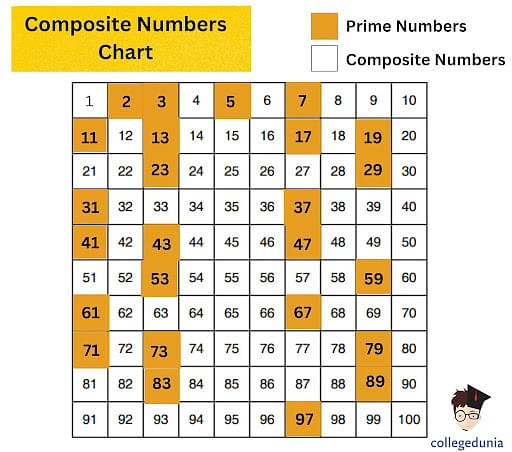
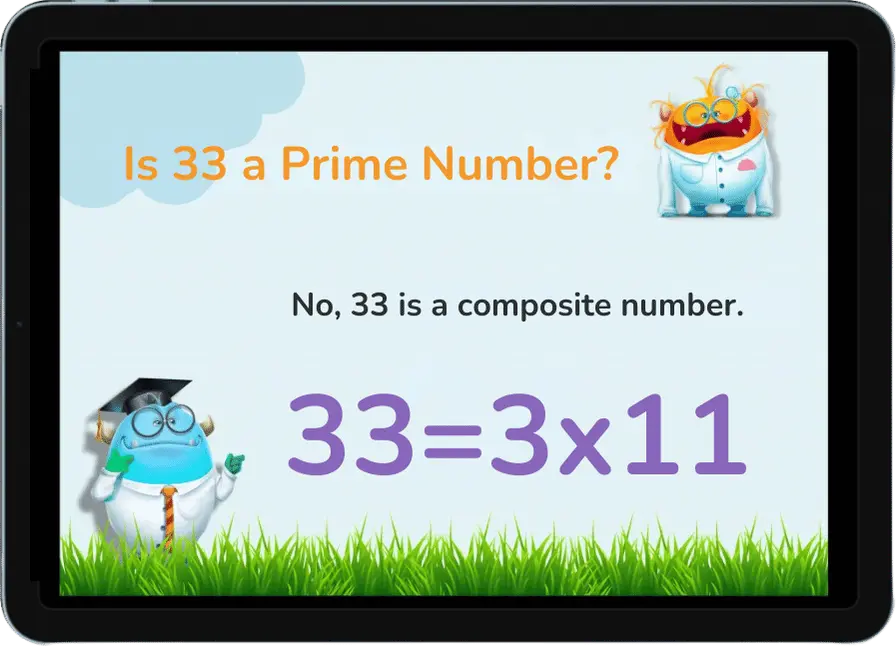
Now, back to the burning question: Is 33 a prime number or a composite number? A prime number is a whole number greater than 1 that has only two divisors: 1 and itself. A composite number, on the other hand, has more than two divisors. To find out, we can simply try dividing 33 by numbers smaller than it. We quickly see that 33 is divisible by 1, 3, 11, and 33. Since it has more than two divisors, 33 is a composite number. It's divisible by 3 and 11 (3 x 11 = 33).
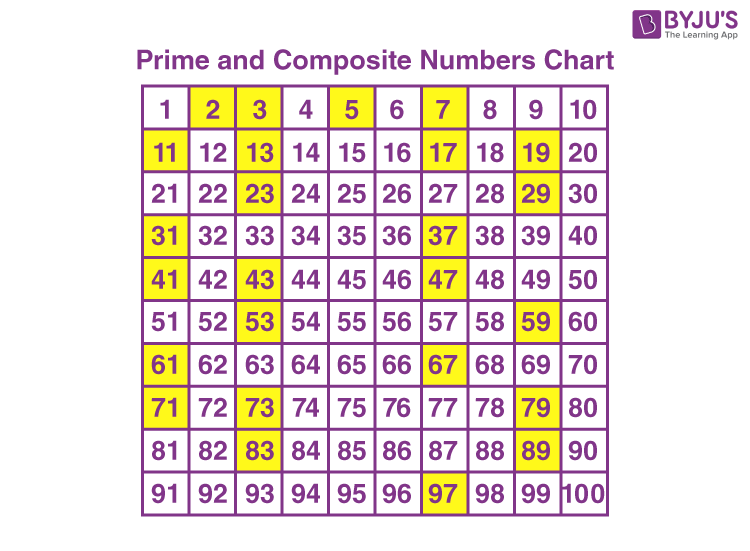
To enjoy number exploration more effectively, here are a few practical tips. Firstly, memorize the first few prime numbers (2, 3, 5, 7, 11, 13, 17, 19...). This will help you quickly identify potential factors. Secondly, learn divisibility rules. For example, a number is divisible by 3 if the sum of its digits is divisible by 3 (3 + 3 = 6, which is divisible by 3, so 33 is also divisible by 3). Finally, practice makes perfect. Challenge yourself to identify prime and composite numbers in everyday situations. The more you practice, the quicker and more intuitive it will become!
So, the next time you encounter a number, take a moment to ponder its properties. You might be surprised by the fascinating world of mathematics that awaits you, hidden in plain sight. And remember, knowing whether a number is prime or composite is not just a trivial fact; it's a key to understanding the fundamental building blocks of our digital world.
![Is 33 a Prime Number or Composite Number [Why & Why not Detailed Guide]](https://images.examples.com/wp-content/uploads/2024/03/Is-33-a-Prime-Number-or-Composite-Number.png)