
Ionization And Photoelectric Smoke Sensors
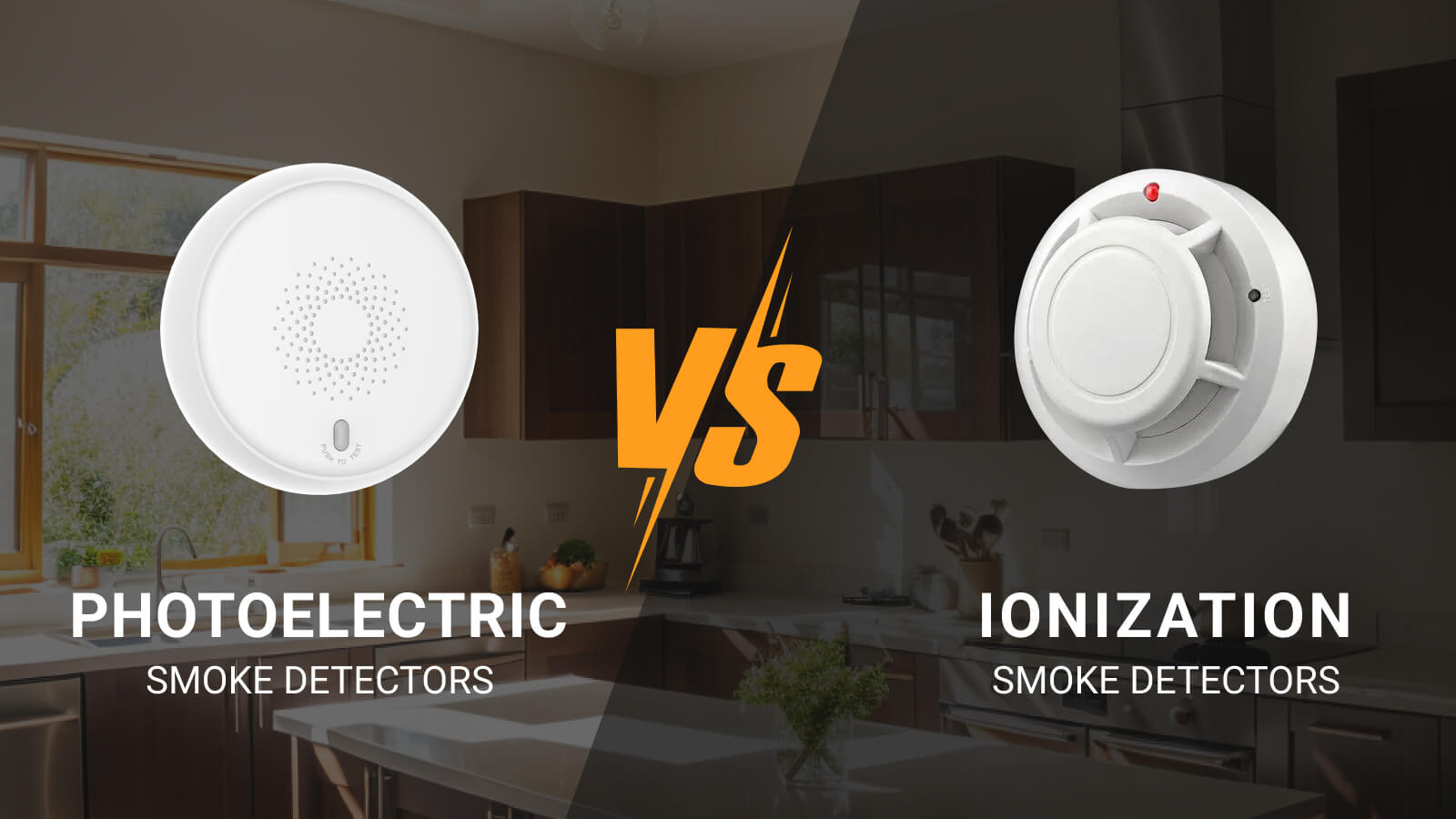
Hey there, fabulous human! Let's talk about something incredibly important but often overlooked: those little disc-shaped heroes screwed into our ceilings. Yeah, you guessed it – smoke alarms! I know, I know, not exactly the most thrilling topic for a casual chat, but stick with me. We're going to demystify these guardians of our snooze time with some laughs and zero snooze-fests. Promise!
Ever wondered why there are different kinds of smoke alarms? It's not just to make your trip to the hardware store more confusing, honest! There are two main types, each with its own superpower, and understanding them is actually pretty cool. Think of them as two different kinds of detective, each looking for a different "bad guy" (aka, smoke).
The Mighty Ionization Smoke Sensor: The Speed Demon
First up, we have the ionization smoke sensor. Sounds fancy, right? Well, it is, in a super small, super effective kind of way. Inside these alarms, there's a tiny, tiny amount of radioactive material (don't freak out, it's totally safe and regulated – less scary than your phone battery, probably!). This material creates a constant electrical current between two charged plates.
Must Read
Imagine it like a tiny, invisible game of dodgeball happening inside the alarm. Electrons are zipping from one plate to another. When smoke from a fast-flaming fire (think grease fires, paper catching fire quickly) enters the chamber, those smoke particles are like disruptive teenagers at a library – they mess with the electron flow. They latch onto the ions, reducing the current, and boom! The alarm shrieks. It's incredibly sensitive to those tiny, fast-moving particles that appear in a hurry.
So, these guys are your go-to for fires that start quickly and produce lots of energetic flames. They're like the sprinters of the smoke detection world, reacting to that sudden burst of danger.

The Clever Photoelectric Smoke Sensor: The Smolder Whisperer
Next on our roster is the photoelectric smoke sensor. This one operates on a completely different principle, and it's equally brilliant. Picture this: inside, there's a light source (usually an LED) and a light sensor, but they're positioned so the light beam doesn't normally hit the sensor. It's like a laser tripwire, but without the cool spy music.
When smoke from a slow, smoldering fire (think a couch silently burning, electrical fires, or even just something left on the stove that's smoking away) enters the chamber, those larger, visible smoke particles act like tiny disco balls. They scatter the light beam, bouncing it around until some of it hits the sensor. Once the sensor "sees" the light, it triggers the alarm! Tada! Instant warning.
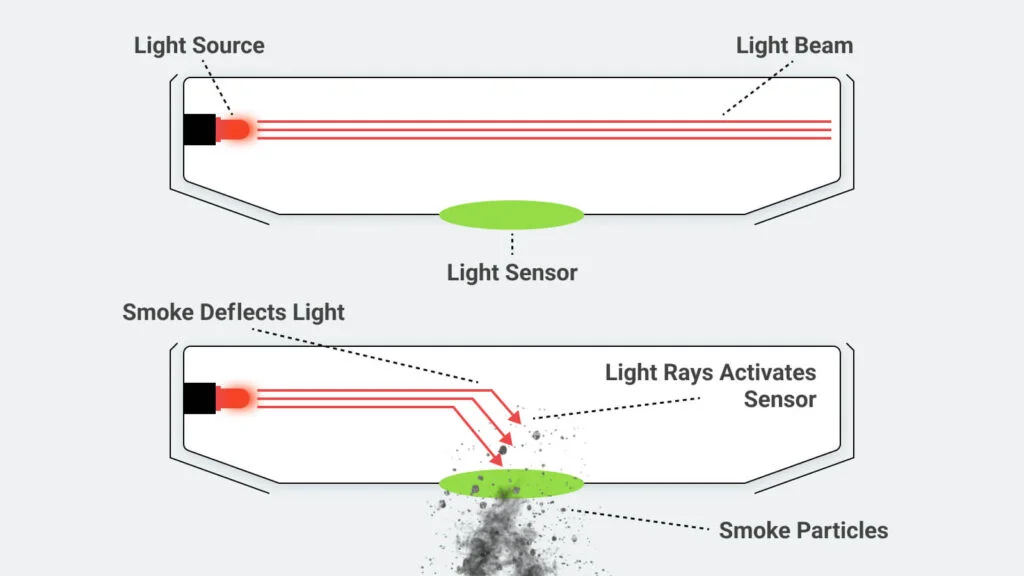
These alarms are fantastic at detecting those smoky, often slow-growing fires that produce a lot of visible smoke before they burst into flames. They're the marathon runners, patiently waiting for the signs of a slow burn.
So, Which One's the MVP?
This is where it gets fun! The answer is... both! Because different fires behave differently, having both types of smoke detection is like having a superhero team where each member has a unique power. An ionization alarm might catch that sudden kitchen flare-up, while a photoelectric alarm is more likely to give you an early warning about that old wiring smoldering in the wall.

Many modern homes are now opting for dual-sensor alarms, which cleverly combine both technologies into one unit. It's like having Batman AND Superman in the same gadget!
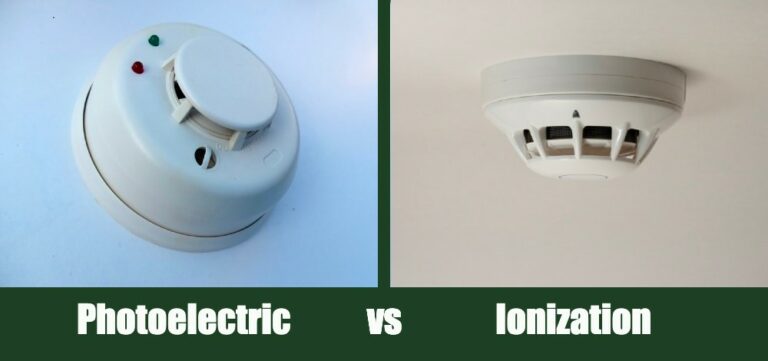
A quick tip: Many fire safety experts recommend placing ionization alarms near areas where fast, flaming fires might occur (like the kitchen, but not so close that your burnt toast sets it off daily – unless you like that kind of drama!). Photoelectric alarms are often suggested for bedrooms and hallways, where smoldering fires are more common, giving you precious extra minutes to wake up and escape.
Your Homework (The Easy Kind!)
Alright, pop quiz time! Just kidding. But seriously, here are your actionable takeaways:
- Test them monthly: Press that little button. It’s annoying, but it confirms they're working. Think of it as their monthly performance review.
- Change batteries annually: When you change your clocks for daylight saving time (or just pick a memorable day like your birthday), swap those batteries! No excuses for that chirping sound at 3 AM.
- Replace the whole unit every 10 years: Yes, even if it seems fine, the sensors inside degrade over time. It's like retiring an old, trusty car – it's served its purpose well, but it's time for an upgrade.
And there you have it! Who knew smoke alarms had such intricate, life-saving tech packed inside? Now you're practically an expert. You know the difference between an ionization sensor's electrical current and a photoelectric sensor's light beam, and why both are crucial for keeping you safe.
So, next time you glance up at that little white disc, give it a silent nod of appreciation. It's quietly doing its job, standing guard 24/7, ready to yell at you the moment danger looms. That peace of mind? Absolutely priceless! Stay safe, my friend, and keep those alarms happy and chirping (only when you test them, of course!).