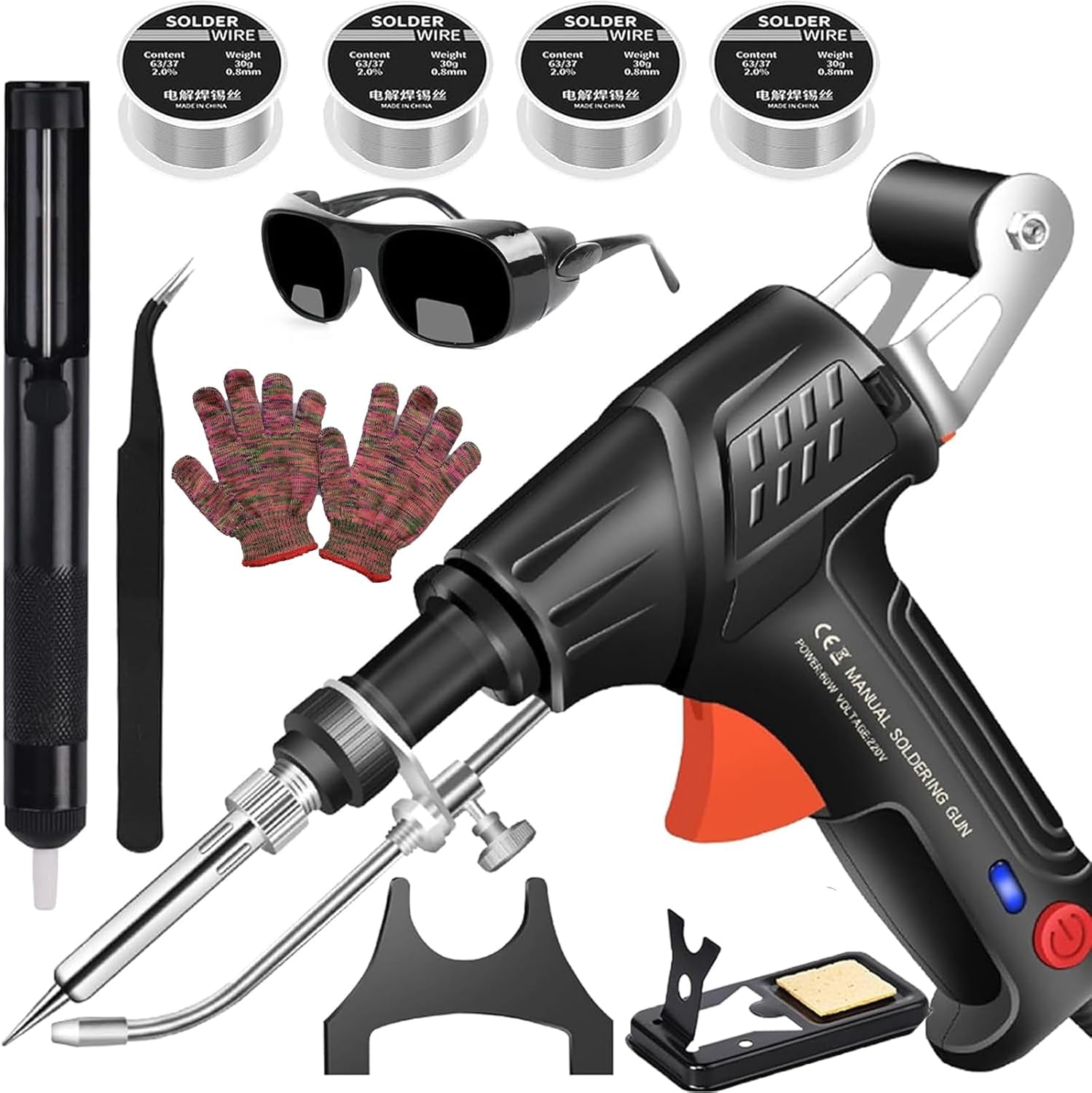
Internally Heated Industrial Laser Welding Tool
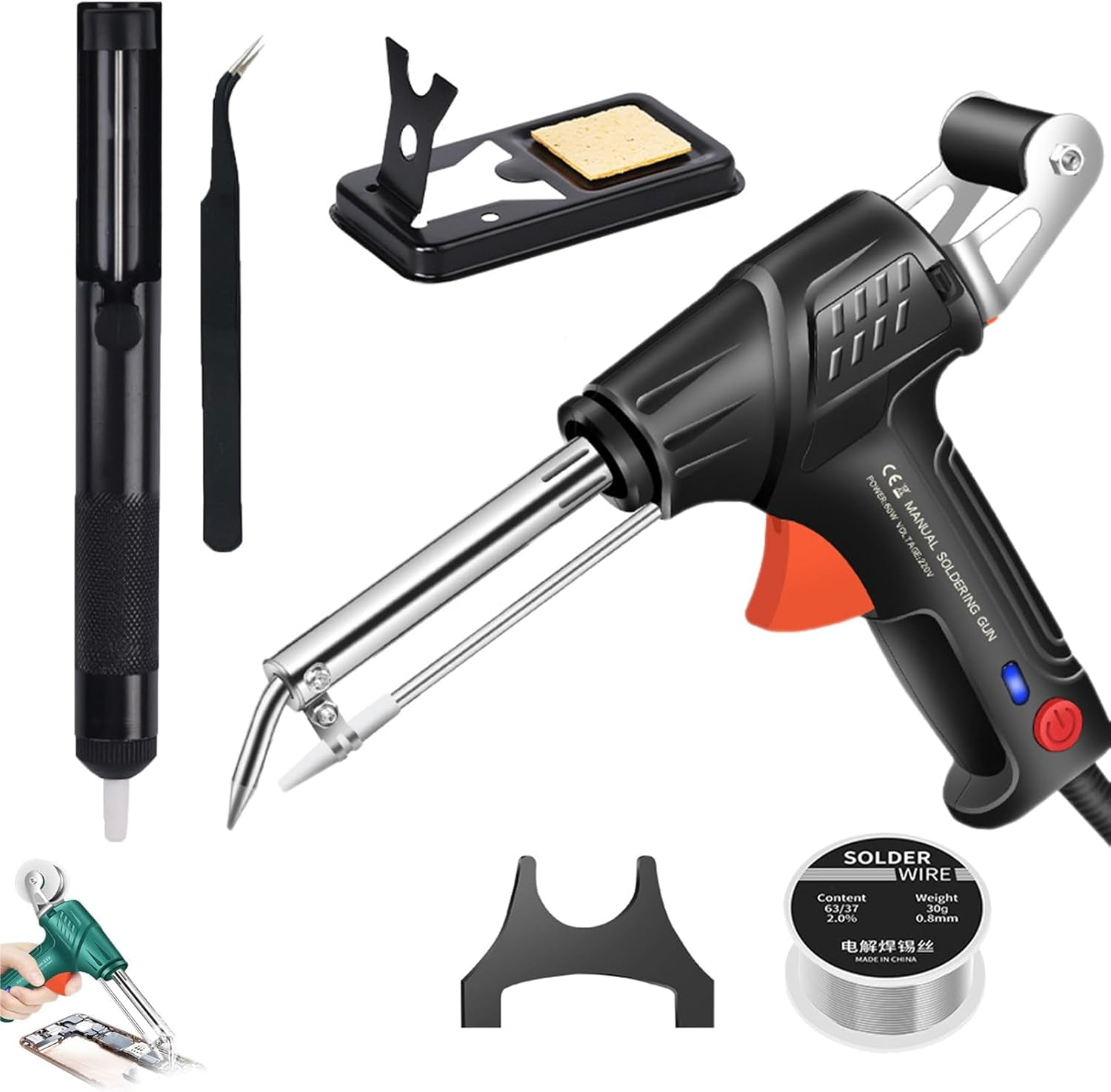
Hey there, tech enthusiast! Ever wondered how they weld those super-strong things you see every day, like cars or airplanes? Well, let's dive into the surprisingly cool world of industrial laser welding, with a special focus on a nifty innovation: the internally heated kind!
Forget your grandpa's welding torch. This ain’t your average sparks-flying-in-the-garage kind of deal. Industrial laser welding is high-tech stuff. We're talking focused beams of light, precise movements, and materials bonding together at the atomic level. Okay, maybe not exactly the atomic level, but you get the idea. It's pretty intense!
So, What’s the Big Deal with Lasers?
Think of a magnifying glass focusing sunlight to burn a leaf (but, like, a million times more powerful). Lasers deliver a concentrated amount of energy to a tiny spot. This means super-precise welds with minimal distortion. Plus, it's way faster than traditional methods. Time is money, right?
Must Read
And get this, laser welding can handle materials that are tricky to weld with other methods. Like, dissimilar metals bonding together? No problem! It's like playing matchmaker for metals.
Enter: The Internally Heated Hero
Now, here's where it gets really interesting. We’re not just talking about any old laser welding here. We’re talking about internally heated industrial laser welding. Sounds fancy, huh? Basically, instead of just blasting the surface, this method cleverly uses the laser to heat the material from the inside out. Think of it like cooking a potato in a microwave – heats from the inside!
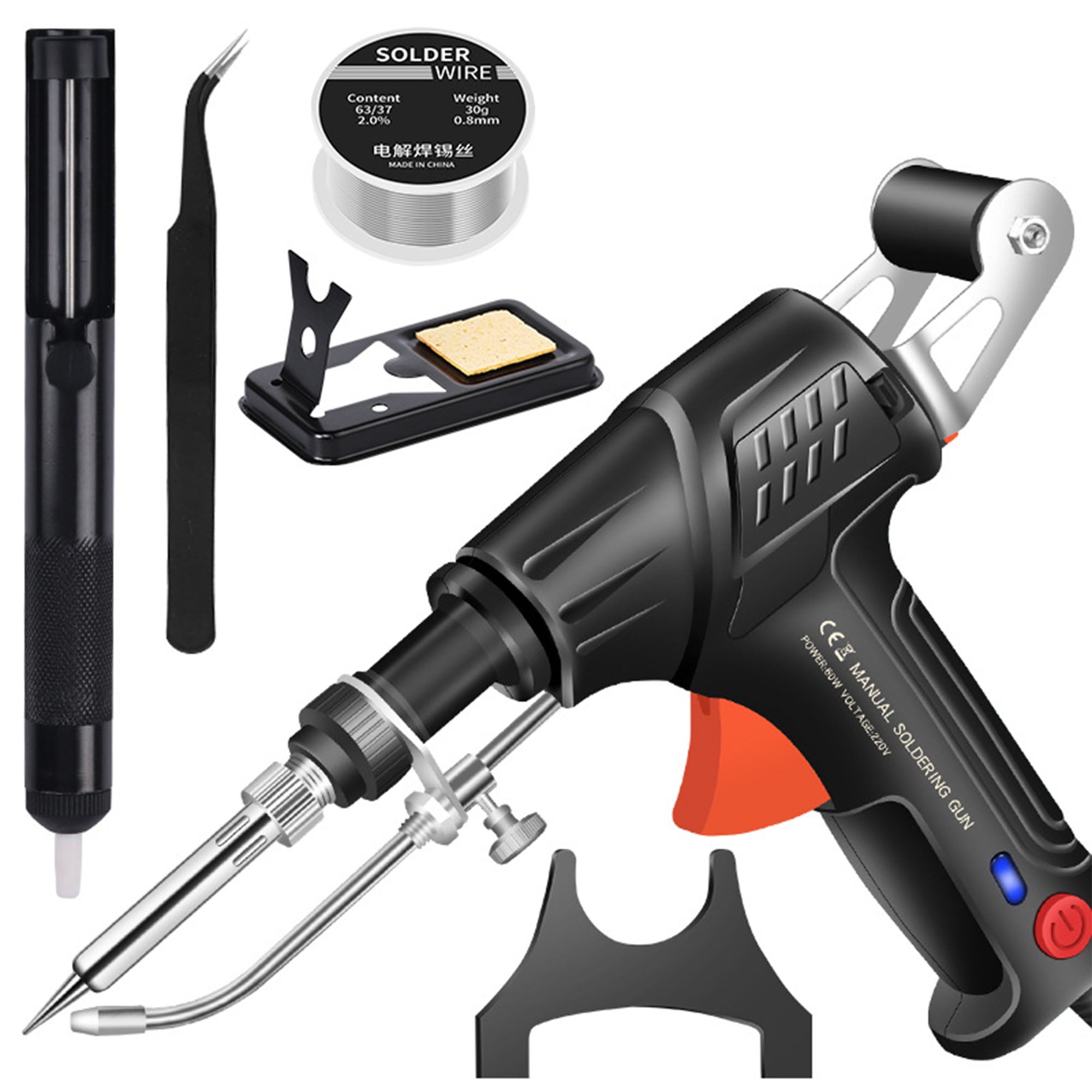
Okay, it's not exactly like a microwave, but the principle is similar. By heating the material internally, you get a more even heat distribution. This leads to:
- Stronger welds: Less stress on the material, meaning fewer cracks and weaknesses.
- Reduced distortion: No one wants a warped weld, right? Internal heating minimizes that.
- Better control: More precise control over the welding process, leading to consistent results.
Imagine trying to weld two pieces of thin metal together. With traditional welding, you might end up melting right through. But with internally heated laser welding, you can precisely control the heat to create a perfect bond. It's like performing surgery on metal (but hopefully with less blood!).
Why is This a Game Changer?
Think about industries like aerospace or medical device manufacturing. They need welds that are not only strong but also incredibly precise and reliable. Internally heated laser welding is a perfect fit! We are talking about:

- Aerospace: Welding engine components that need to withstand extreme temperatures and pressures.
- Medical Devices: Creating intricate welds on surgical instruments that need to be sterile and durable.
- Automotive: Constructing lightweight yet robust car bodies.
It's like giving engineers a superpower – the ability to create structures that were simply impossible before.
The Future is Bright (and Welded!)
So, there you have it. Internally heated industrial laser welding: a technology that's making the world a stronger, more efficient, and (dare I say) more beautiful place. Okay, maybe not "beautiful" in the traditional sense, but a perfectly welded seam is a thing of beauty to an engineer, right?
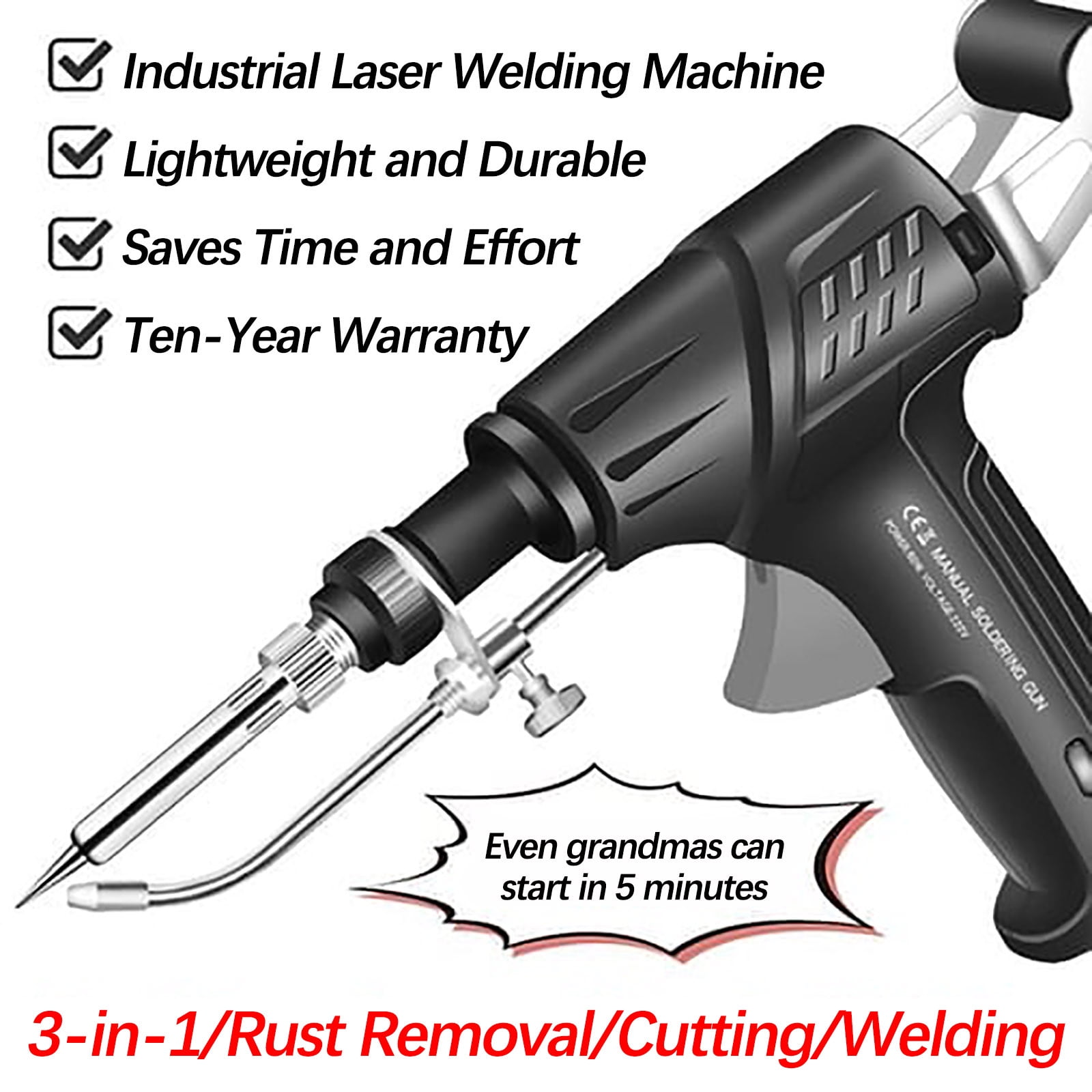
This technology is still evolving, but its potential is enormous. As lasers become more powerful and more affordable, we'll see even wider adoption of this technology across various industries. We might even see it in your kitchen someday (laser-welded spatulas, anyone?). Just kidding... probably.
But seriously, it's exciting to think about the possibilities. So, the next time you see a perfectly crafted piece of metalwork, remember the unsung hero behind the scenes: the internally heated industrial laser welding tool. It's quietly making the world a little bit stronger, one weld at a time.
And that, my friend, is something to smile about. Keep exploring, keep learning, and keep being amazed by the incredible ingenuity of human innovation! You never know what fantastic technology you'll discover next!