Installing An Electric Vehicle Charging Point

Let's face it, there's something undeniably cool about pulling up to your own home and plugging in your car, just like you would your phone. It's the future knocking at your door, a whisper of sustainable living mingled with the satisfaction of being self-sufficient. Installing an electric vehicle (EV) charging point at home isn’t just a practical decision; it’s an investment in a cleaner, more convenient lifestyle. Who wouldn’t want to wake up every morning to a fully charged car, ready to tackle the day’s adventures?
The benefits of having your own EV charger extend far beyond mere convenience. Think about it: no more detours to crowded public charging stations, no more waiting in line, and no more fretting about availability. You're in control. You can charge your car overnight, taking advantage of potentially cheaper off-peak electricity rates. This can significantly reduce your fueling costs compared to gasoline, putting more money back in your pocket. Furthermore, having a home charger increases the resale value of your property, signaling that you’re a forward-thinking individual embracing modern technology.
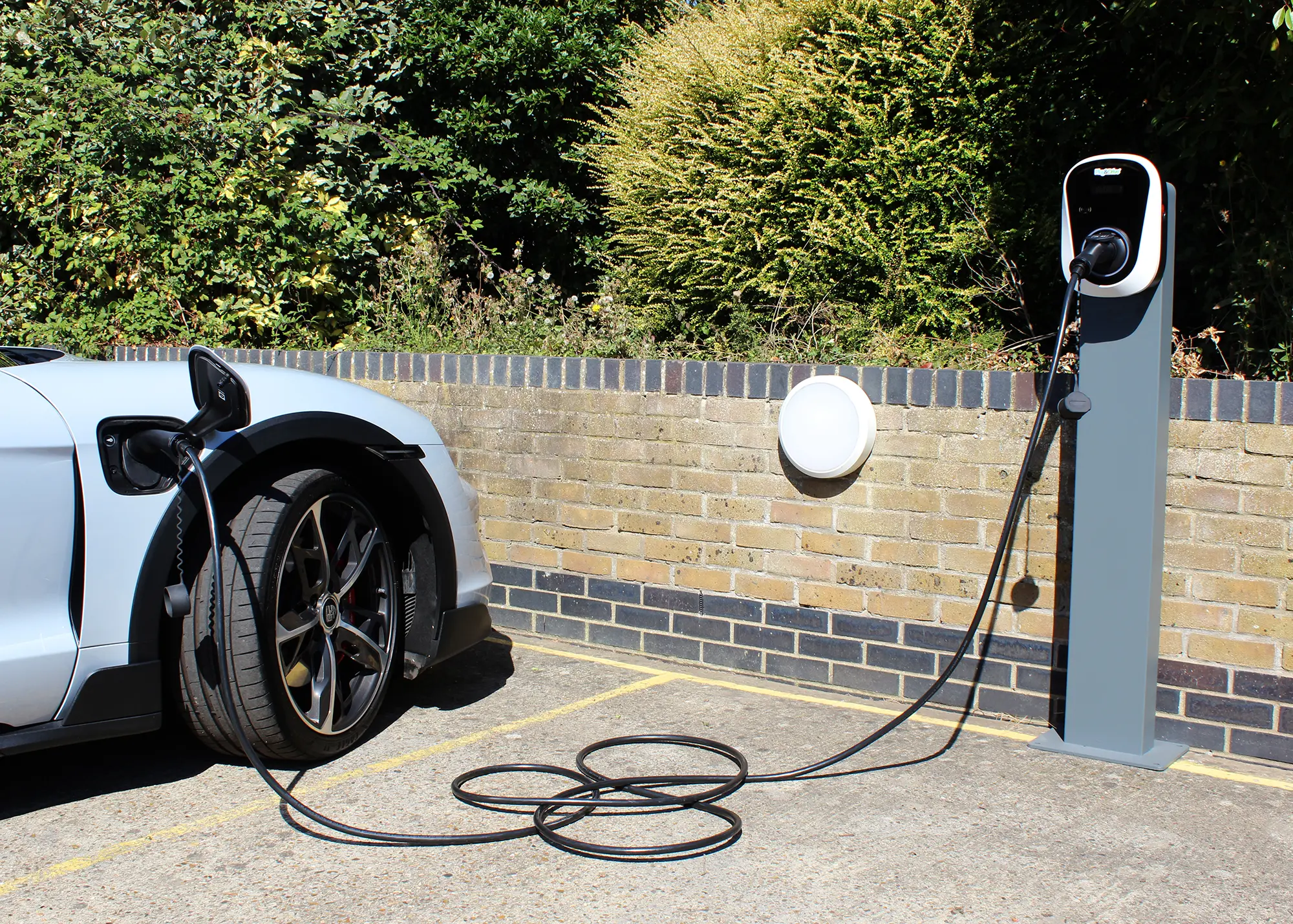
EV charging points come in different forms, each catering to varying needs and charging speeds. The most common type for home use is a Level 2 charger. These typically provide a significantly faster charging rate than the standard Level 1 charger that comes with most EVs, which simply plugs into a regular household outlet. Level 2 chargers usually require professional installation and are hardwired into your electrical system. You might find them mounted on a garage wall or on a dedicated post in your driveway. Public charging stations, often found at shopping centers, workplaces, and highway rest stops, also utilize Level 2 and the even faster DC fast chargers (Level 3), which can add significant range in a short amount of time.
Must Read
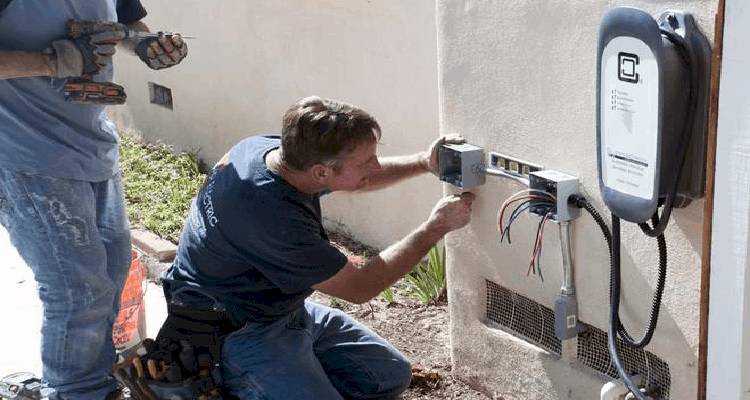
So, how can you make the most of your home EV charging experience? First, assess your electrical capacity. Before purchasing a charger, consult with a qualified electrician to ensure your home's electrical panel can handle the additional load. Upgrading your panel might be necessary, but it’s a worthwhile investment for safety and efficiency. Secondly, consider the placement of your charging point. Choose a location that's easily accessible to your car and protected from the elements. Think about how you usually park and where the charging port on your car is located. Thirdly, take advantage of smart charging features. Many modern chargers come with apps that allow you to monitor your charging progress, schedule charging sessions to coincide with off-peak rates, and even track your energy consumption. This level of control empowers you to optimize your charging habits and save money.
Finally, don't forget about safety. Always use a reputable electrician for installation and follow all manufacturer instructions. Regularly inspect your charging cable and connector for any signs of damage. By following these simple tips, you can enjoy a safe, efficient, and convenient EV charging experience at home, contributing to a greener future while saving time and money. Embrace the electric revolution – one charge at a time!