
In Which Of These Processes Is Acetylene Used
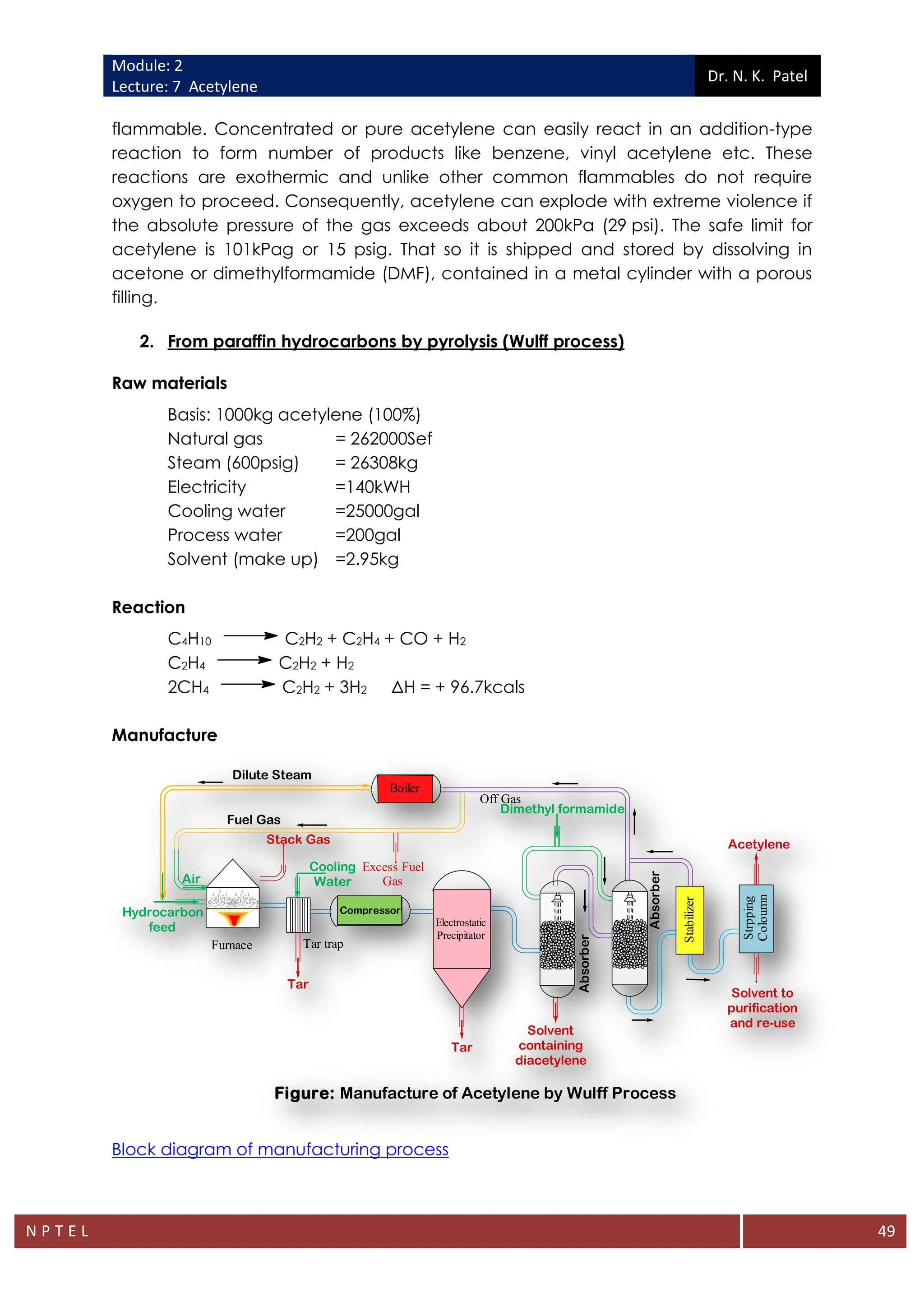
Alright, let’s talk acetylene. You might hear the name and think of a complex chemical formula best left to lab coats and bubbling beakers. But trust us, acetylene is way more down-to-earth than you think. It’s actually a key player in some surprisingly common processes. So, let's dive in, shall we?
Welding and Cutting: The OG Acetylene Gig
The most well-known use of acetylene? Hands down, it's oxy-acetylene welding and cutting. Imagine a scene from an old black and white movie, a construction worker in a hard hat using a torch, sparks flying everywhere as they join pieces of metal. That, my friends, is likely acetylene hard at work.
Oxy-acetylene torches create a super-hot flame – we’re talking around 3,000 degrees Celsius (that's over 5,400 degrees Fahrenheit!). This intense heat is perfect for melting and fusing metals together. Think of it like the ultimate glue gun, but for steel. This method is especially useful for repairs, fabrication, and intricate metalwork.
Must Read
Practical Tip: If you're ever planning a DIY metal project that involves welding, do your research! Safety is paramount. Always wear proper protective gear (gloves, goggles, and a welding helmet) and work in a well-ventilated area. YouTube is your friend for learning the basics, but nothing beats a hands-on workshop with a professional.
Chemical Synthesis: Acetylene's Secret Life
Beyond the sparks and flames, acetylene has a secret life as a building block in chemical synthesis. It's a versatile starting material for creating a wide range of organic compounds, from plastics to pharmaceuticals.
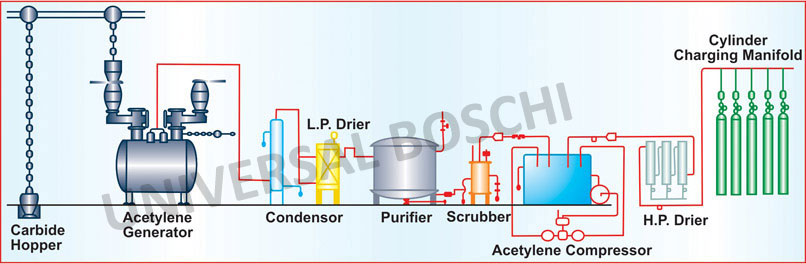
Think of it as the LEGO brick of the chemical world. Chemists can manipulate acetylene’s structure to create complex molecules with specific properties. This process is used to produce things like vinyl chloride (used in PVC pipes), acrylic fibers (found in clothing and carpets), and even certain types of solvents.
Fun Fact: Did you know that acetylene was once used as an illuminant in lighthouses? Before the widespread adoption of electricity, the intense flame produced by burning acetylene provided a reliable beacon for ships at sea.

Lighting: A Blast From the Past (and Present!)
While acetylene's use in mainstream lighting has largely been replaced by electricity, it still pops up in niche applications. Remember those old-timey miner's lamps? Many of those used acetylene gas to produce light. And even today, you might find acetylene lamps used in remote locations or for specialized purposes where electricity isn't readily available.
Cultural Reference: Consider the imagery of miners descending into the dark depths of a coal mine, their acetylene lamps casting eerie shadows on the rock walls. It’s a powerful symbol of human ingenuity and resilience in the face of challenging conditions.

Practical Tip: If you're considering using acetylene for any purpose, always consult with a qualified professional. Acetylene is a flammable gas and needs to be handled with care. Proper storage and ventilation are crucial to ensure safety.
Other Interesting Applications
Acetylene also finds applications in other areas, though less commonly. It can be used in the production of carbon black, a material used in tires and pigments. It’s also used, in some instances, for specialized heating applications. The versatility of this gas shouldn't be underestimated.
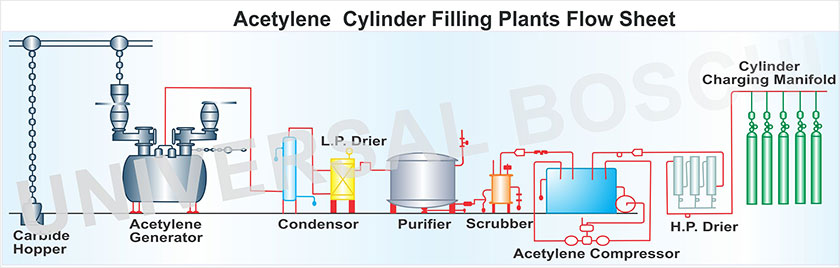
Bold Statement: Acetylene is a reminder that even seemingly simple substances can have a profound impact on our world. From joining metal structures to building complex chemicals, this gas plays a vital role in various industries.
So, there you have it – a glimpse into the surprisingly diverse world of acetylene. It's not just about welding; it's about innovation, chemistry, and even a little bit of history.
Reflection: Next time you see a construction worker welding or hear about the production of plastics, take a moment to appreciate the role of acetylene. It's a reminder that even the most seemingly mundane elements can contribute to the amazing complexity of our modern world. Perhaps, something in your daily life, something you've used today, owes it existence to acetylene.