In A Spectrum Sleeping Habit Meaning

Let's be honest, who hasn't wondered if their sleep habits are, well, a little unique? We all have our quirks, from needing complete silence to sleeping best with the TV on. But what if those quirks aren't just quirks, but part of a bigger picture? That's where the idea of "spectrum sleeping" comes in, and it's way more interesting (and relatable) than it sounds!
The concept of "spectrum sleeping" isn't about a medical diagnosis. Think of it as acknowledging that everyone's sleep needs and preferences are different, existing on a spectrum rather than fitting into neat little boxes. Some people thrive on a strict 8-hour schedule, while others are perfectly happy (and productive) with a more flexible approach. Understanding this spectrum is beneficial for different groups:
- Beginners: For those new to exploring sleep health, recognizing that "normal" is a myth can be incredibly liberating. It encourages experimentation and self-discovery, rather than chasing an unattainable ideal.
- Families: Imagine trying to get everyone in your household on the same sleep schedule! Understanding spectrum sleeping helps families create flexible routines that accommodate individual needs, leading to less stress and more harmony. Maybe your teenager is a natural night owl while you're an early bird – acknowledging that helps everyone adjust.
- Hobbyists (and the generally curious): Delving into the science of sleep is fascinating. Spectrum sleeping provides a framework for understanding why some sleep strategies work for some people and not others. It can fuel your own research and experimentation to optimize your personal sleep experience.
What does spectrum sleeping look like in practice? Think about these variations:
Must Read
- Sleep Duration: Some people genuinely need 9+ hours, while others function perfectly fine on 6.
- Sleep Timing: Are you a morning person (lark), an evening person (owl), or somewhere in between? Chronotype is a key part of the sleep spectrum.
- Sleep Environment: Do you need absolute darkness and silence, or do you prefer white noise and a dim nightlight?
- Sleep Structure: Monophasic (one long sleep period) vs. polyphasic (multiple shorter sleep periods, like naps) – though polyphasic sleep requires careful planning and is often not sustainable for most people.
So, how do you get started exploring your own sleep spectrum? Here are some simple, practical tips:
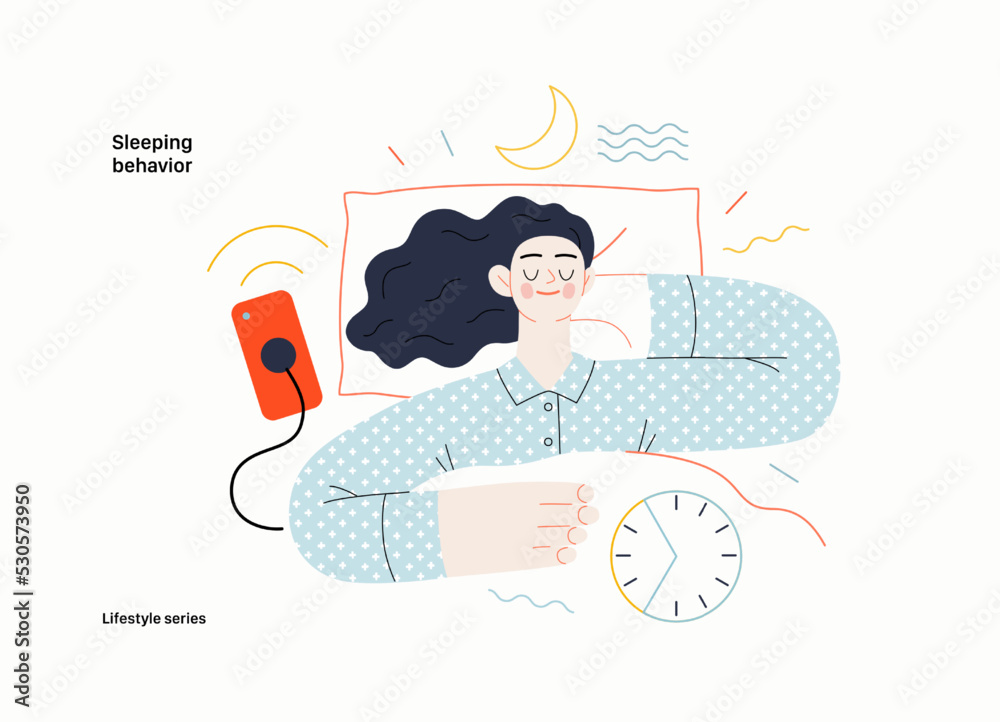
- Track Your Sleep: Use a sleep tracker (app or wearable) or simply keep a sleep diary to note your bedtime, wake-up time, and how you feel throughout the day.
- Experiment: Try different bedtimes, wake-up times, and sleep environments. See what feels best for you.
- Listen to Your Body: Pay attention to your energy levels and mood throughout the day. Are you consistently tired or energized?
- Be Patient: Finding your ideal sleep pattern takes time and experimentation. Don't get discouraged if you don't see results immediately. Consistency is key, but also, don't be afraid to adjust as needed.
Ultimately, embracing the idea of spectrum sleeping is about understanding yourself better and creating a sleep routine that works for you. It's about ditching the guilt of not fitting into a prescribed mold and celebrating your unique sleep needs. So, go forth and explore! You might be surprised at what you discover, and you'll definitely be better rested for it.