In A Spectrum Meaning In Sleeping Habits

Ever feel like your sleep is a total mystery? Like some nights you’re a sleeping beauty, out cold for eight glorious hours, and others you’re a restless raccoon rummaging through the night? You’re not alone! And understanding sleep as being on a spectrum, rather than a fixed thing, can be a real game-changer.
We often think of sleep in black and white: good sleep vs. bad sleep. But that's like saying pizza only comes in cheese or pepperoni. There's a whole delicious world of toppings (and sleep variations!) out there!
What Does "A Spectrum" Even Mean for Sleep?
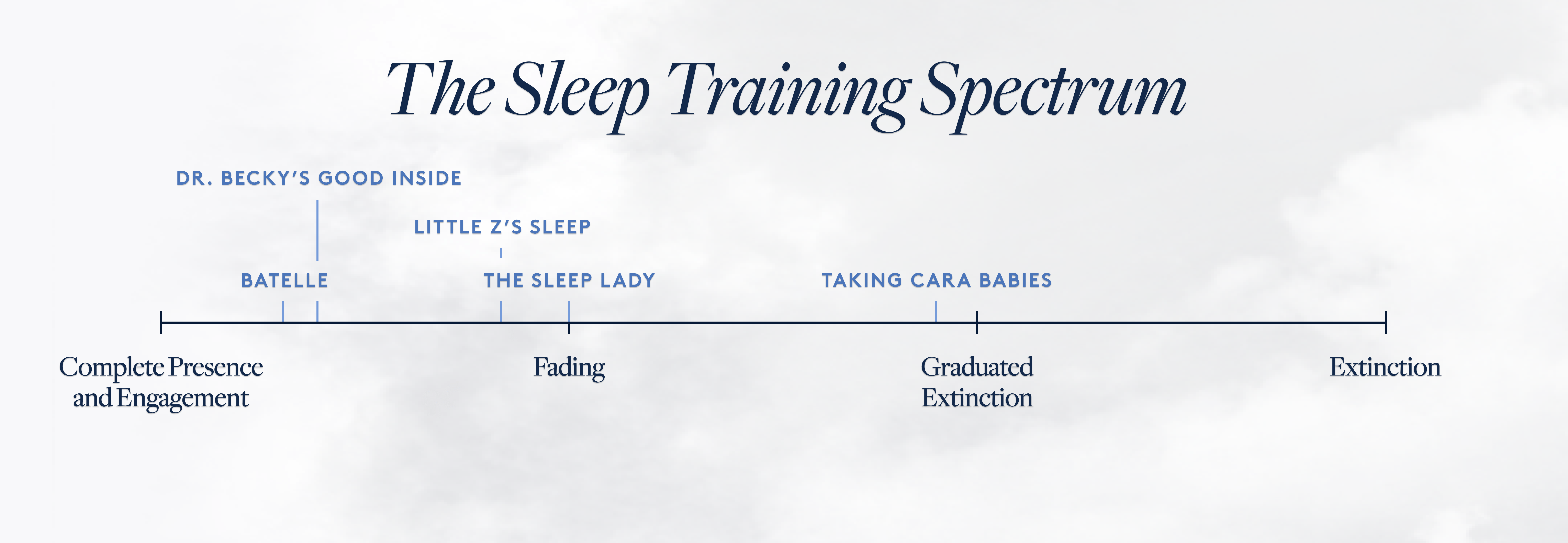
Think of a rainbow. It's not just red and blue, right? There's a gradual shift from one color to another. That's a spectrum! When we talk about sleep being on a spectrum, we mean that things like sleep duration, sleep quality, and sleep timing can vary significantly from person to person, and even from night to night for the same person! It's not a one-size-fits-all deal.
Must Read
For example, my friend Sarah needs a solid nine hours to function, otherwise she’s basically a zombie. I, on the other hand, can usually get by on seven, and even feel relatively okay on six (though I wouldn't recommend it long-term!). We both fall somewhere on the "hours of sleep" spectrum, but at different points.
Why Should You Care About Sleep Being a Spectrum?
Okay, so sleep is varied. Big deal, right? Actually, it is a big deal, and here’s why:
- It takes the pressure off. Stop comparing yourself to that person who brags about only needing four hours. Maybe they're genetically blessed (or more likely, chronically sleep-deprived!). Focus on your sweet spot on the spectrum.
- It encourages self-discovery. Pay attention to how you feel with different amounts of sleep. Experiment! Maybe you’re more productive with a short nap in the afternoon, or maybe you crash and burn. Knowing yourself is key.
- It helps you tailor your sleep schedule. Are you a night owl or an early bird? Embrace your natural tendencies! Trying to force yourself into a schedule that doesn’t work for you is like trying to fit a square peg in a round hole.
Examples in Everyday Life: Seeing the Spectrum in Action
Let’s look at some common scenarios:
- Weekend Sleep: Ever sleep in until noon on Saturday? That’s your body trying to catch up on sleep debt. Maybe you consistently under-sleep during the week and need a longer recharge period on the weekends. It's on the spectrum!
- Travel Woes: Jet lag is a classic example. Your body clock is thrown off, and you might struggle to fall asleep at your usual time. This is a shift on the “sleep timing” spectrum.
- Stressful Times: When you're stressed, you might find it harder to fall asleep, or you might wake up more often during the night. Stress is a sleep disruptor, pushing you towards the "poor sleep quality" end of the spectrum.
Finding Your Spot on the Sleep Spectrum
So, how do you figure out where you fall on the spectrum? It’s all about paying attention and experimenting! Here are some tips:
- Keep a sleep diary: Track when you go to bed, when you wake up, and how you feel throughout the day. Notice any patterns.
- Experiment with different bedtimes: Try going to bed a little earlier or later for a week and see how it affects your energy levels.
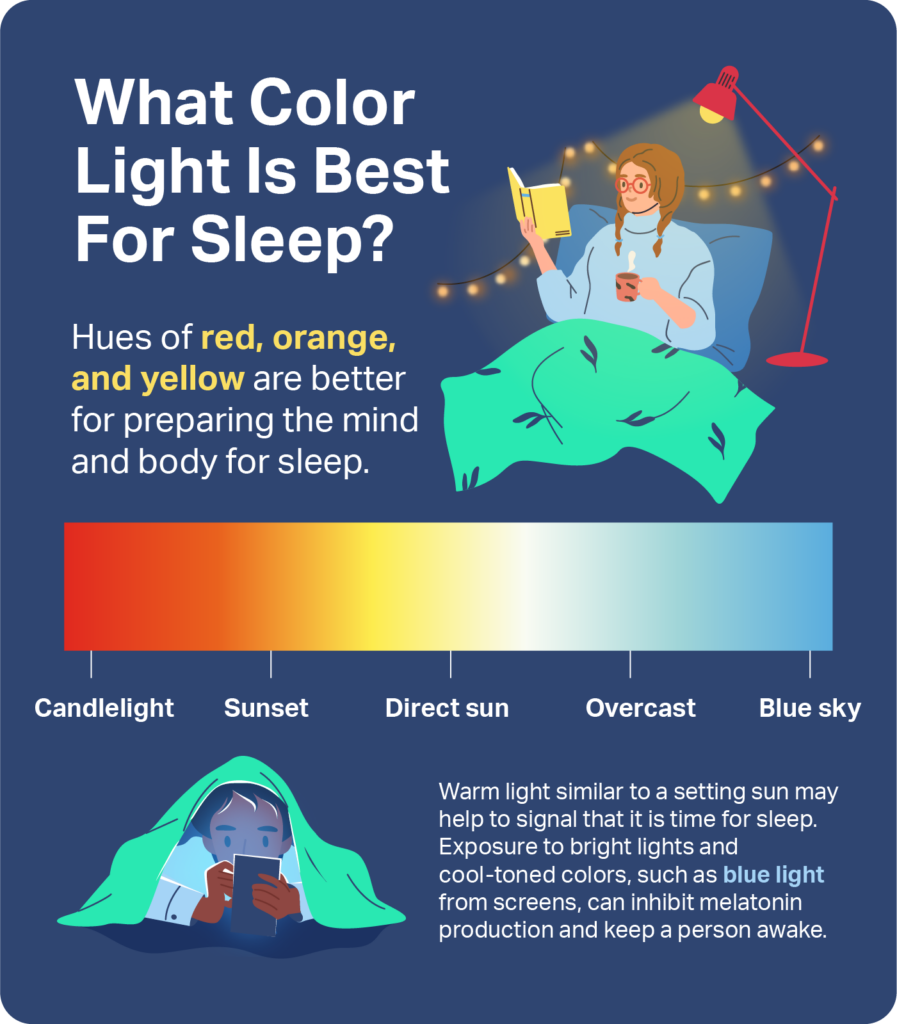
- Create a relaxing bedtime routine: Wind down with a warm bath, a good book, or some gentle stretching.
- Listen to your body: If you're feeling tired, don't push yourself too hard. Take a break and maybe even sneak in a short nap.
Remember, there’s no “right” or “wrong” place to be on the sleep spectrum. It’s all about understanding your own individual needs and finding a sleep routine that works for you. Think of it like finding the perfect pillow – it might take some trial and error, but once you find it, you'll sleep like a baby!
So, the next time you have a less-than-perfect night's sleep, don't beat yourself up about it. Recognize that sleep is a journey, not a destination, and that you're just exploring different points along the amazing and varied sleep spectrum!