Ideal House Temperature During Winter
Okay, let's get cozy for a minute and chat about something that’s probably on your mind right about now: winter warmth. As the days get shorter and the world outside turns into a frosty wonderland (or just a really gray, cold place, depending on where you are!), there’s nothing quite like stepping into a house that feels just right. But what does "just right" even mean when it comes to the thermostat?
It’s a surprisingly deep question, isn’t it? Like, you’d think there’d be one magic number, a universal temperature that makes everyone sigh contentedly and say, "Ah, perfection!" But nope, it’s far more nuanced, like trying to find the perfect pair of socks – some like 'em thick and woolly, others prefer a thin, barely-there feel. Your ideal house temperature is a bit like that; it’s personal, a little bit quirky, and often a topic of friendly debate in many households.
The Great Goldilocks Experiment
Think of your home in winter as a giant Goldilocks zone. You don’t want it too hot, because then you’re sweating through your favorite holiday sweater and the air feels drier than a forgotten cracker. Plus, your energy bill might start looking like a phone number you don't recognize. On the flip side, you definitely don't want it too cold. Nobody wants to see their breath indoors or feel like they're living in an igloo, right? That’s just asking for sniffles and perpetually cold toes, not to mention unhappy pipes!
Must Read
So, the quest begins: finding that sweet spot where it’s not too hot, not too cold, but just right. But here’s the kicker – that "just right" isn't a fixed point on the thermometer. It’s a dynamic, ever-changing target, influenced by a whole bunch of cool factors.
What Makes Your Thermostat Tick?
First up, it’s all about you. Are you someone who runs naturally warm, like a personal little human furnace? Or are you always bundling up, even indoors, because you tend to feel the chill easily? Your metabolism, your activity level (are you lounging on the couch or bustling around doing chores?), and even what you had for breakfast can subtly shift your internal temperature gauge. It’s pretty wild when you think about it!

Then there's the time of day. Most of us prefer our homes a little warmer during the active daytime hours when we're awake and moving. But when bedtime rolls around, a slightly cooler temperature can actually be incredibly beneficial for sleep. Our bodies naturally drop a degree or two when we snooze, so keeping your bedroom a bit cooler can signal your body it’s time to wind down. It’s like a gentle, frosty whisper telling you to drift off to dreamland.
And let's not forget the company you keep. Living with others often means a delightful (or sometimes challenging!) negotiation. What feels perfect to you might have your partner reaching for a fan or your kids complaining about wearing a jacket inside. It’s like trying to find a movie everyone agrees on – sometimes you just have to compromise or invest in some really good blankets!
The Science of Cozy
Beyond personal preference, there’s a bit of cool science at play. Our bodies are constantly working to maintain a core temperature, a process called thermoregulation. When the air around us is too cold, our bodies work harder to stay warm, which can be exhausting over time. When it’s too hot, we sweat and feel sluggish. Finding that comfortable temperature helps our bodies conserve energy, leaving us feeling more refreshed and less prone to those winter blues.
Did you know temperature also impacts our mood and productivity? A comfortable environment can foster focus and creativity, while extremes can be distracting and even detrimental. Imagine trying to concentrate on a task when your teeth are chattering, or when you feel like you're baking in an oven! It's like trying to write a symphony in a noisy coffee shop – possible, but far from ideal.
The Wallet Whisperer: Energy Costs
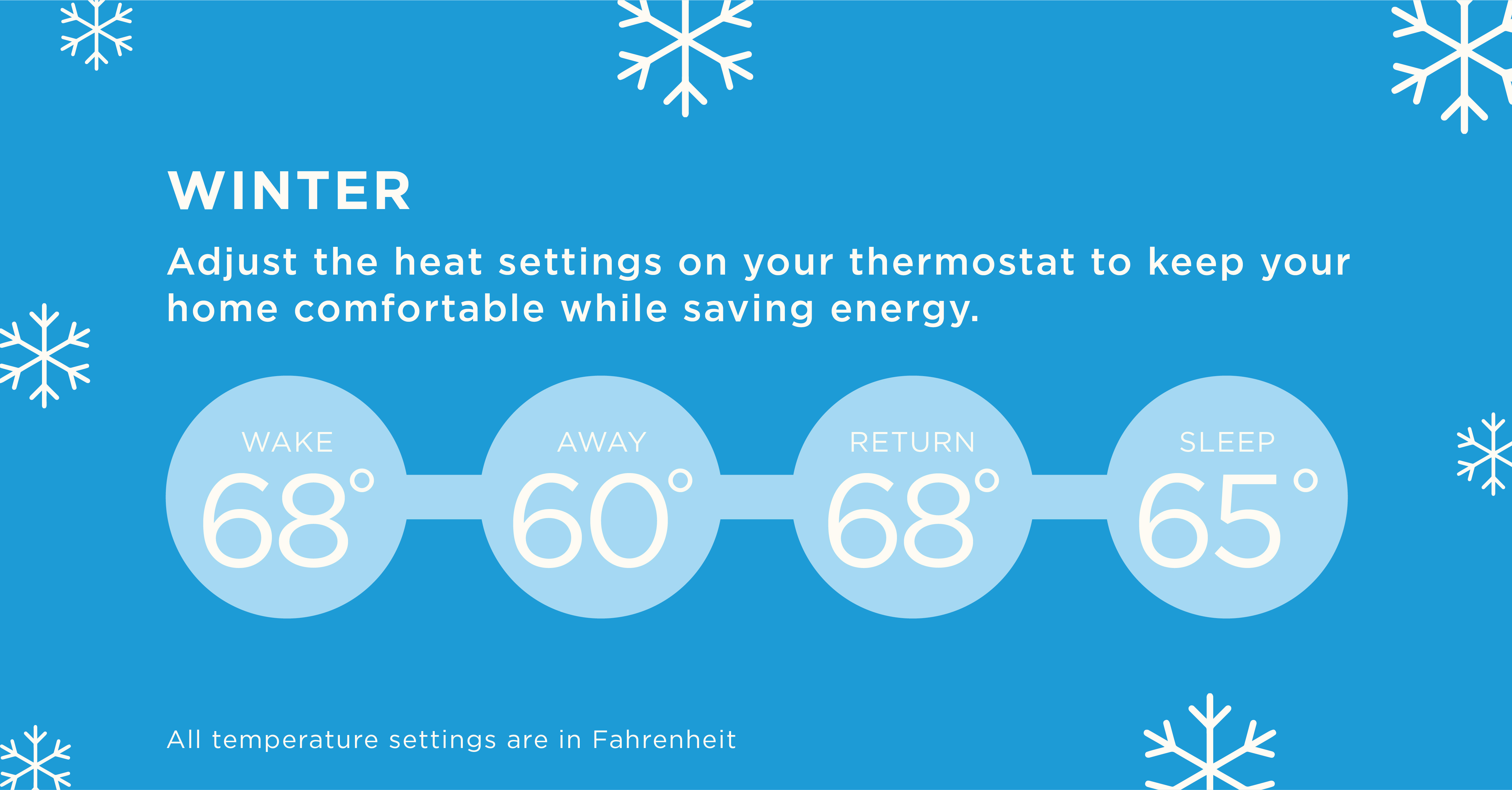
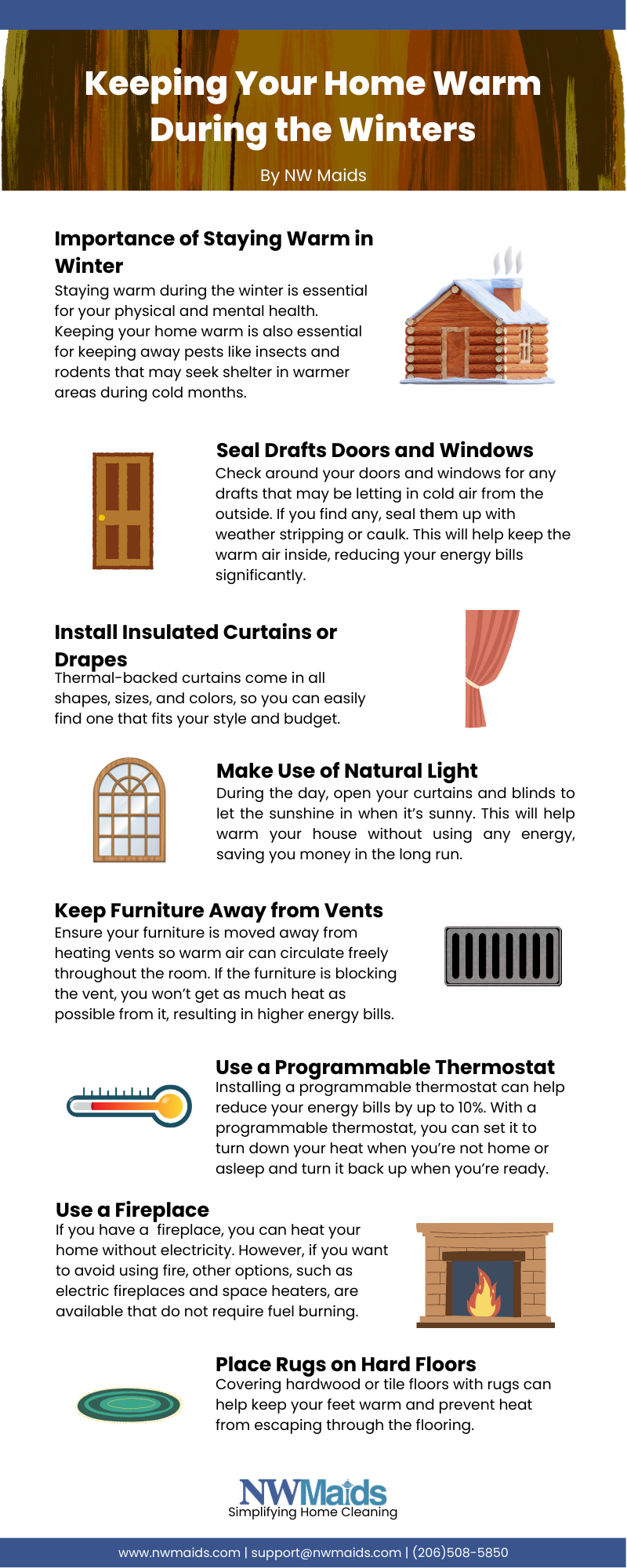
Now, let’s talk practicalities: your energy bill. Every degree you crank up that thermostat during winter can nudge those numbers higher. It's not just about comfort; it's about finding an efficient comfort zone. Many experts suggest keeping your thermostat around 68-72°F (20-22°C) during the day when you're home and active, and then dropping it a few degrees (maybe to 60-65°F or 16-18°C) at night or when you’re away. A programmable or smart thermostat can be your best friend here, automatically adjusting the temperature like a thoughtful house sitter.
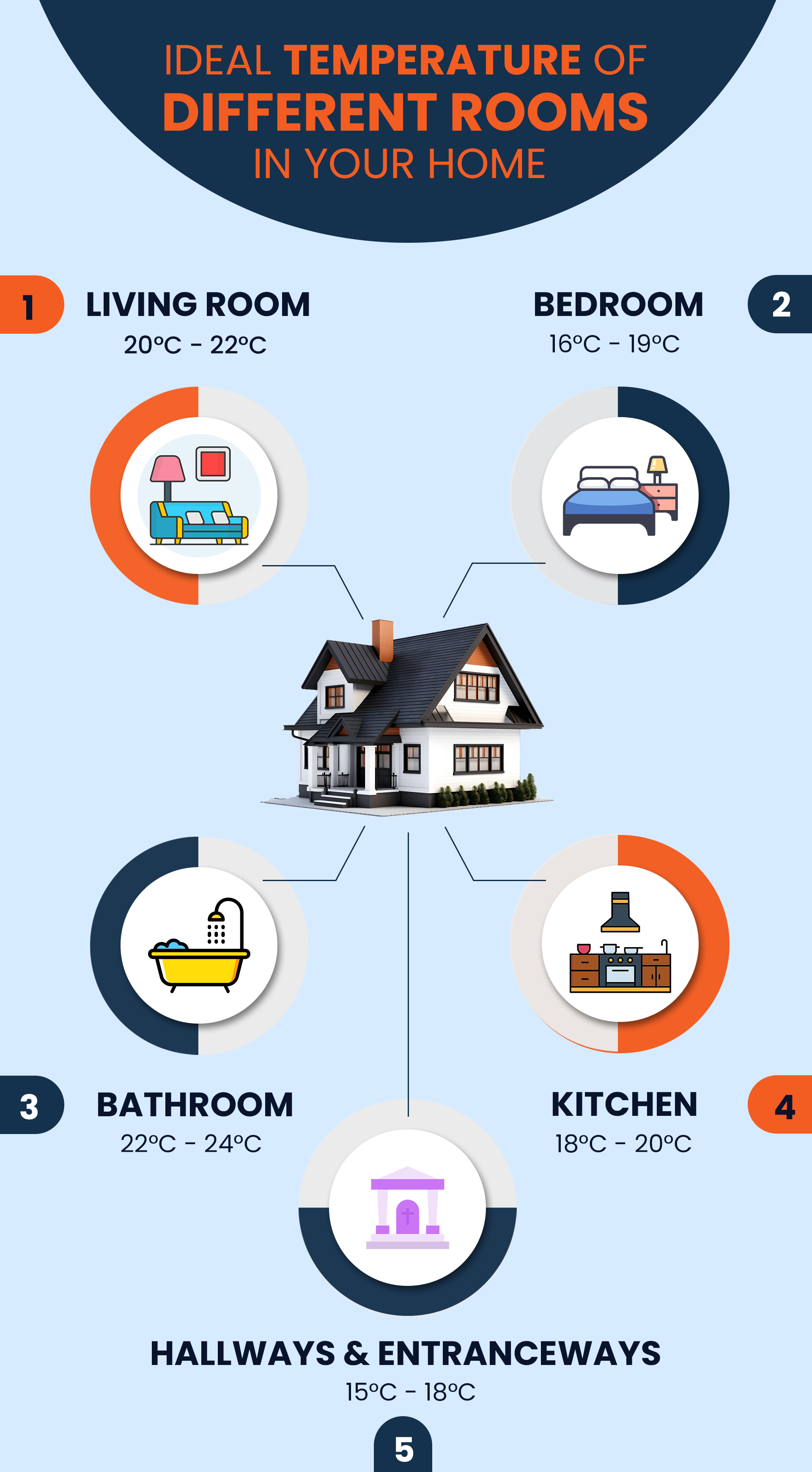
Think of it as a superpower – the power to control your environment and your budget! Small adjustments can make a surprisingly big difference, turning your home into an energy-smart sanctuary without sacrificing that precious warmth.
So, What's the Magic Number?
The truth is, there isn't one. The ideal house temperature during winter is a delightful blend of personal comfort, scientific understanding, and a dash of economic savvy. It’s the feeling of walking into your living room on a blustery day and feeling instantly hugged by a gentle warmth. It’s the peaceful cool of your bedroom at night, inviting you into a deep sleep.
It’s an exploration, a personal journey to find what makes your home feel like the ultimate winter haven. So, go ahead, play with your thermostat, try different settings, and listen to what your body tells you. Because in the end, the perfect winter temperature isn't a universal decree; it’s your own cozy discovery.