Hydrogen Fuel Cell Renewable Or Nonrenewable

Hydrogen fuel cells: they're popping up everywhere from buses and cars to, well, the future! But a question mark hangs over them: are they renewable, or are they just another fossil fuel wolf in sheep's clothing? Let's dive into this fascinating technology with a light heart and figure out why it might just be the next big thing, not just for engineers, but for anyone who loves playing with ideas.
For artists and hobbyists, thinking about hydrogen fuel cells opens up a whole new world of possibilities. Forget clunky batteries! Imagine lightweight, portable power for your outdoor art installations. Think of powering a miniature, remote-controlled sculpture that purrs with clean energy. Or perhaps you're a student learning about energy? Building a simple fuel cell can be an amazing hands-on science project that teaches you so much more than textbooks ever could.
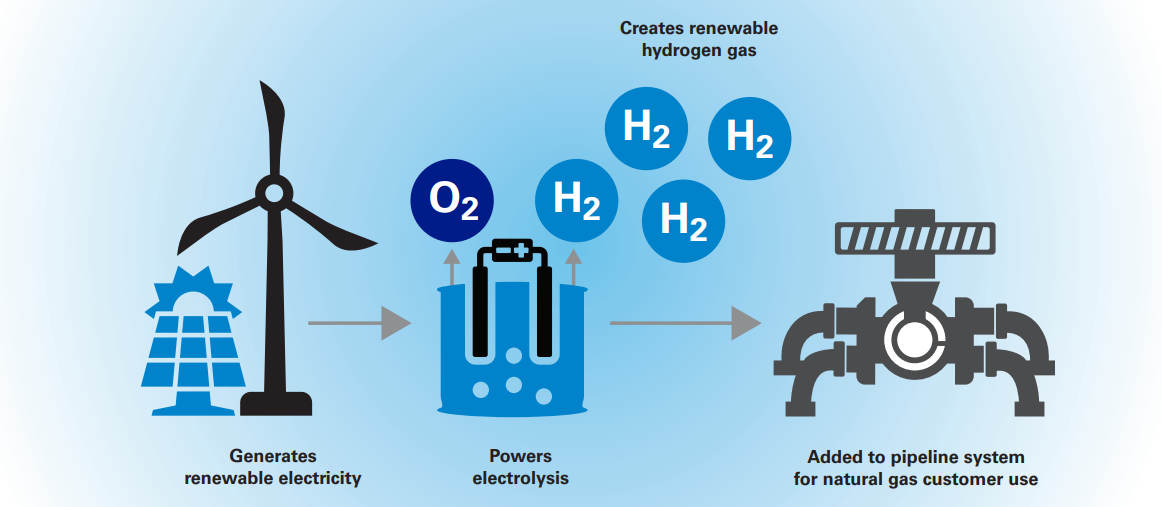
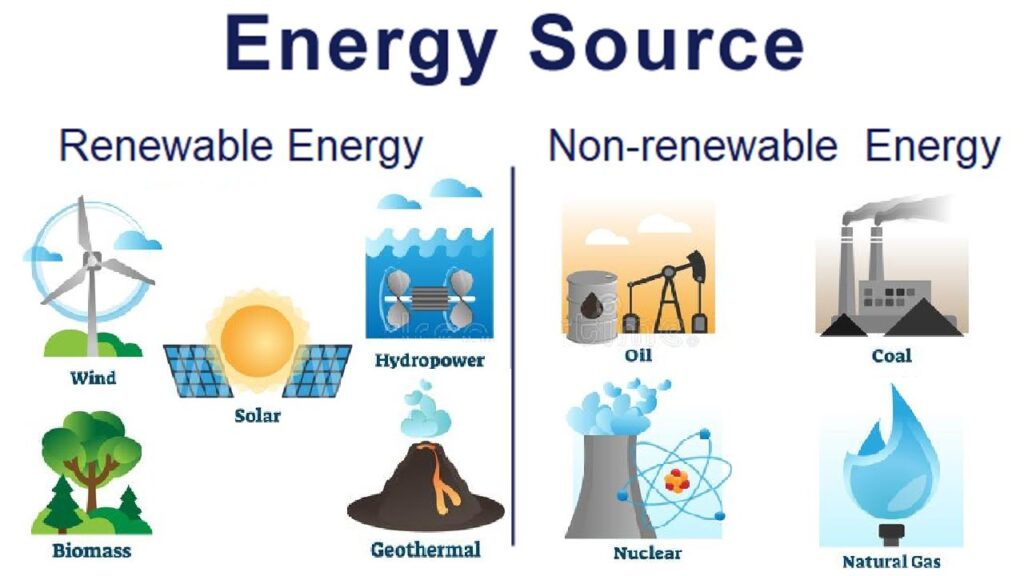
Now, about that renewable or non-renewable question. The answer? It's complicated, but mostly optimistic. A hydrogen fuel cell itself isn't renewable or non-renewable; it's simply a device. It's like a battery – it uses energy. The renewable-ness depends on where the hydrogen comes from. If the hydrogen is produced through electrolysis powered by solar, wind, or hydroelectric energy, then you've got a completely renewable system! However, if the hydrogen is produced using fossil fuels (like natural gas), then it’s no better than other non-renewable sources. That's why everyone is talking about "green hydrogen," which is the hydrogen produced from renewable sources.
Must Read
There are different types of fuel cells, each with its own quirks and applications. Polymer Electrolyte Membrane Fuel Cells (PEMFCs) are popular for vehicles due to their quick start-up time. Solid Oxide Fuel Cells (SOFCs) are better suited for stationary power generation. Alkaline Fuel Cells (AFCs) were famously used in the Apollo missions! Exploring these variations can be a fun learning journey.

Want to experiment at home? While building a full-scale fuel cell might be a bit ambitious, you can easily find educational kits online that demonstrate the basic principles. These kits often use electrolysis to separate water into hydrogen and oxygen, and then recombine them in the fuel cell to generate electricity. It's a fantastic way to visualize the process and learn about the chemistry involved. Look for kits that include safety features and clear instructions, and always supervise children during experiments. You could even use the small amount of electricity generated to power a tiny LED or a miniature fan! It's a great conversation starter and a tangible demonstration of the power of clean energy.
The beauty of hydrogen fuel cells lies not just in their potential for a cleaner future, but also in their inherent simplicity and elegance. They represent a clever way to convert energy without combustion, offering a glimpse into a world where power is clean, efficient, and readily available. It's a fascinating field with endless possibilities for innovation and creativity. So, go ahead, explore the world of hydrogen fuel cells! You might just discover your next passion, and contribute to a brighter, cleaner future in the process. And frankly, who doesn’t enjoy the satisfaction of tinkering with cutting-edge technology while knowing you're contributing to something positive?