
How To Wire Generator To Home
Alright, gather ‘round, folks, grab a coffee – maybe a strong one, because we're about to talk about something truly electrifying, and I don't just mean literally. We're diving into the thrilling, sometimes slightly terrifying, world of how to safely wire a generator to your home. Picture this: the lights go out. Not just for a minute, but for a whole, dark, silent eternity. Your fridge starts to weep, your phone dies, and suddenly, you're just a glorified cave person. Sound familiar? We've all been there. And that's why you bought that beautiful, noisy beast of a generator, isn’t it?
Why You Can't Just Plug It In (Seriously, Don't)
Now, your first instinct, after muttering some colorful metaphors about the power company, might be to grab an extension cord longer than a boa constrictor and just, you know, plug your generator into a wall outlet in your house. STOP! Put that cord down. Gently. This isn't like plugging in your toaster.
Doing this is called "backfeeding," and it's less "MacGyver genius" and more "instant regret, possible electrocution, and a very angry utility worker." Think about it: that outlet is designed to receive power, not push it back out onto the grid. If you backfeed, you're sending raw, unfiltered generator power down the line, potentially zapping a poor lineman who thinks the power is off. It's like giving someone a high-five through a live electrical wire. Spoiler alert: it doesn't end well for anyone.
Must Read
Plus, you could seriously damage your home's electrical system, turning your sanctuary into a very expensive light show. So, let's agree: the extension cord through the window trick is strictly for stringing up Christmas lights, not for powering your entire abode.
The Heroes of Home Generator Hookup: Transfer Switches and Interlocks
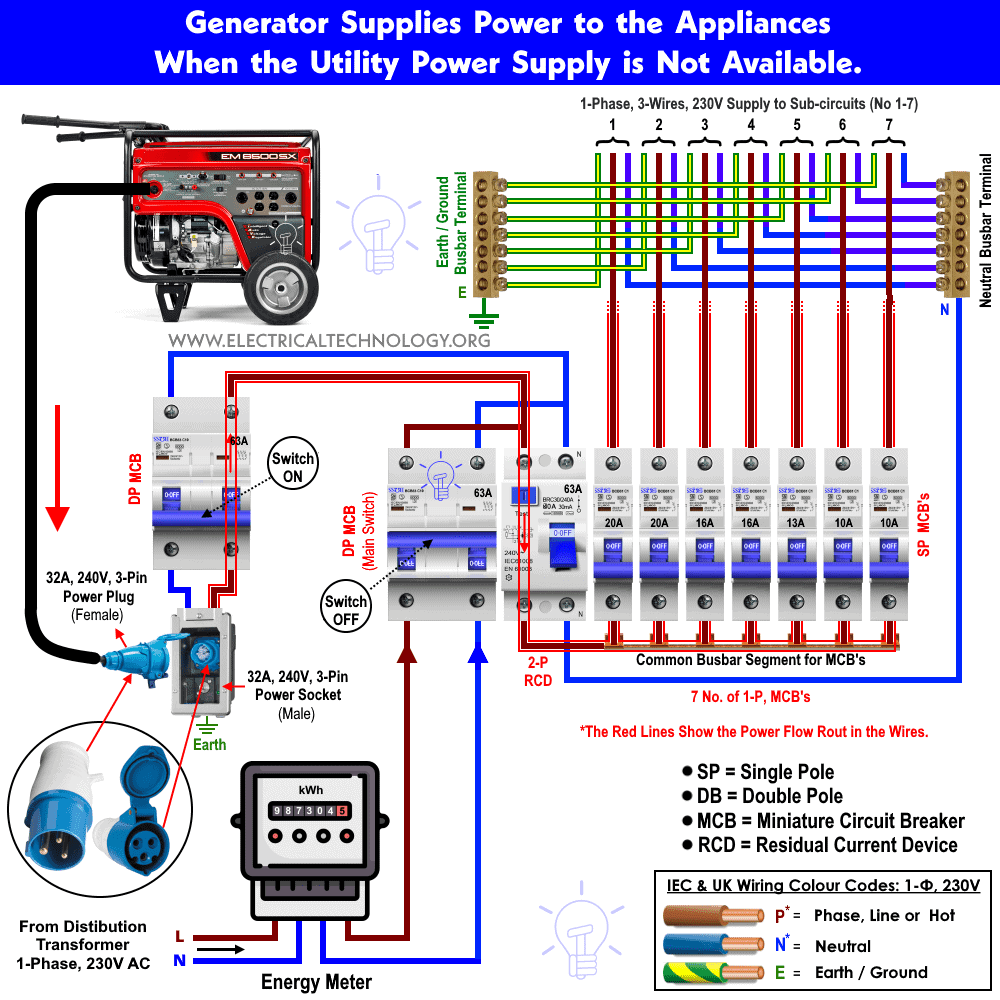
So, if plugging it into a wall is out, what's the secret handshake? The magic words are transfer switch or an interlock kit. These are your non-negotiable best friends in this whole operation. They are designed to do one crucial thing: ensure that your house is either connected to the utility grid or to your generator, but never both at the same time. It’s like a bouncer at a very exclusive club – only one source of power gets in at a time.

The Transfer Switch: The Sophisticated Bouncer
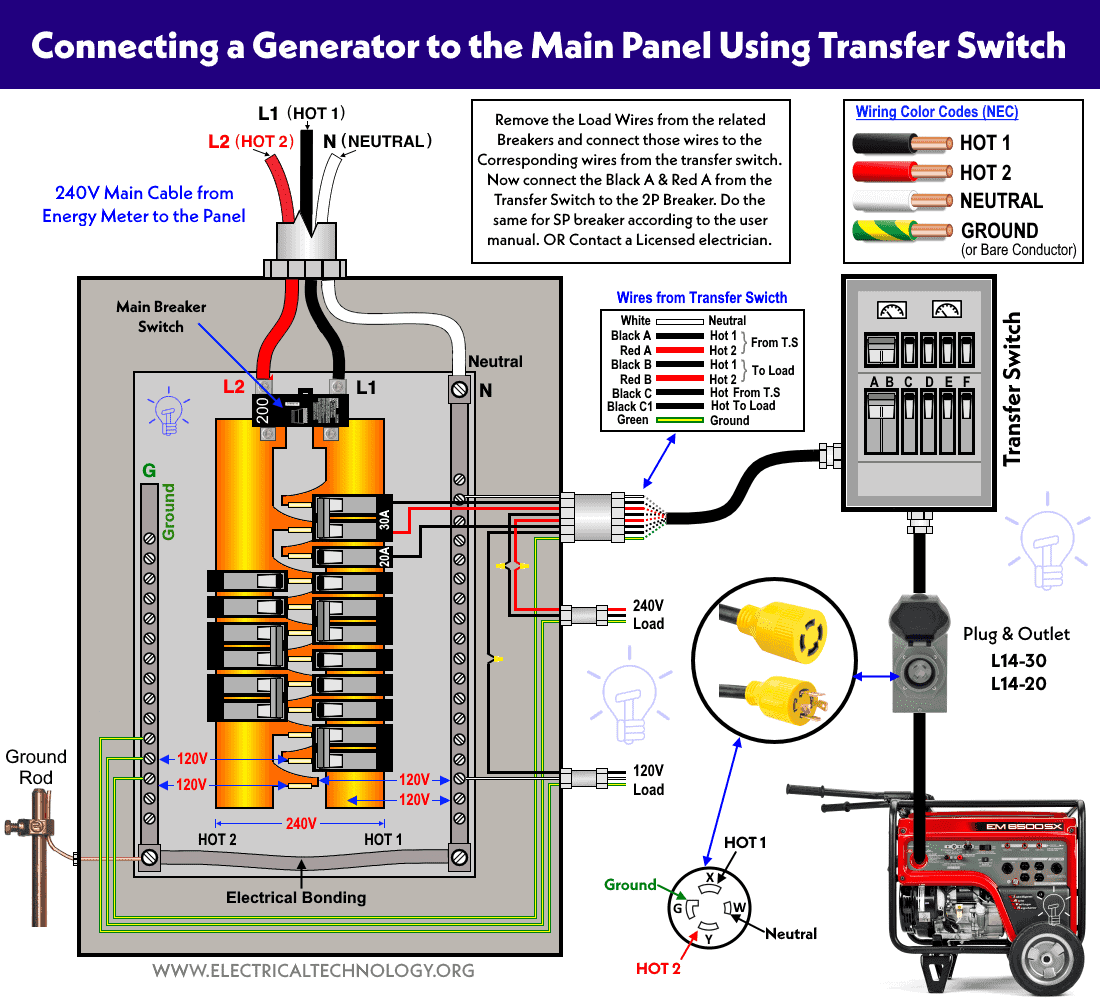
A manual transfer switch is a dedicated electrical panel that essentially redirects power. You flip a lever from "utility" to "generator," and voilà! Power flows. They can be for your whole house (a whole-house transfer switch) or just for essential circuits (a sub-panel transfer switch). It's neat, tidy, and absolutely foolproof, assuming you remember to flip the switch. Some fancy folks even have automatic transfer switches that detect an outage and kick the generator on all by themselves. But let's be real, pressing a button makes you feel like more of a hero.
The Interlock Kit: The Clever Gadget
An interlock kit is a more budget-friendly and ingenious solution, often used with your existing main electrical panel. It's a mechanical device that prevents you from turning on your generator's main breaker at the same time as your utility company's main breaker. You literally cannot flip both to the "on" position simultaneously. It’s a physical safety mechanism that makes it impossible to backfeed. Think of it as a safety puzzle piece – only one piece fits at a time.
The Grand Entrance: Your Generator Inlet Box
Regardless of whether you go with a transfer switch or an interlock kit, you'll need a place to actually plug your generator in from the outside world. Enter the generator inlet box. This is a special, weather-resistant outlet, usually mounted on the exterior of your home, with heavy-duty connections. Your generator's power cord plugs into this box, and then wires run from the inlet box, through your walls, to your transfer switch or interlock kit inside. It’s the red carpet for your generator’s glorious power.
The Most Important Step (Seriously, Don't Skip This!)
Okay, deep breath. You've got the concept, you've picked your method. Now for the truly crucial part. Unless you're a licensed electrician who moonlights as an electrical engineer and occasionally performs open-heart surgery, you need to hire a qualified, licensed electrician to install this stuff.
I cannot stress this enough. This isn't assembling IKEA furniture (though sometimes that feels equally complex). We're talking about high voltage, complex wiring, and the safety of your home and family. An electrician will know all the local codes, proper wiring sizes, and will make sure everything is installed to perfection, without turning your circuit breaker into a firework display. Trust me, the cost of an electrician is far less than the cost of a house fire or a hospital visit. Plus, they usually bring their own tools, which is a bonus.

Generator Day: Powering Up Like a Pro
Once your electrician has worked their magic and everything is installed, connecting your generator during an outage is actually pretty straightforward:
- Position Your Generator: Place it outdoors, far away from windows, doors, and vents to prevent deadly carbon monoxide from entering your home. Think "neighbor's yard, but still on your property" distance. Or at least 10-20 feet away.
- Turn Off the Main Breaker: If you have an interlock kit, you'll engage this step when you activate the interlock. If you have a transfer switch, this might be handled within the switch itself or you might need to manually flip your main utility breaker off at your main panel first. Always disconnect from the utility grid before connecting your generator.
- Plug In: Connect your heavy-duty generator cord from your generator to the generator inlet box.
- Start the Generator: Follow your generator's starting instructions. Let it run for a minute or two to warm up.
- Engage the Power: Go to your transfer switch or interlock kit. Flip the appropriate switch or lever to "generator" mode. Now, you can selectively turn on the circuit breakers for the appliances you want to power. Don't try to run everything at once – be mindful of your generator's capacity!
- Enjoy the Sweet Sounds of Power: Your fridge is humming, your lights are on, and you're the hero of the hour. Your neighbors might even be peeking over the fence with envy.
When the Grid Returns
When the blessed utility power finally returns, the process is reversed:
- Turn Off Circuits: Flip off all the individual circuit breakers you were using.
- Disengage Generator Power: Flip your transfer switch or interlock back to "utility" mode.
- Turn Off Generator: Let your generator cool down for a bit, then shut it off.
- Unplug: Disconnect the power cord from the inlet box and store it safely.
- Restore Utility Power: Flip your main utility breaker back on (if you turned it off manually).
Wiring a generator to your home properly isn't just about convenience; it's about safety. And while the idea of being a power-wielding wizard in a blackout is tempting, remember that electricity is a powerful beast. Treat it with respect, hire a pro for the tricky bits, and soon you'll be enjoying uninterrupted Netflix marathons even when the rest of the neighborhood is fumbling for candles. You'll be the undisputed king or queen of the blackout kingdom. Go forth and power on, safely!
