How To Wire A Portable Generator To The House

Ever been in the middle of a great movie, cooking dinner, or just enjoying a quiet evening, when suddenly… poof! The lights go out. Power outages can range from a minor annoyance to a major disruption, especially if they last for hours or even days. That's why learning how to safely wire a portable generator to your house is such a fun and incredibly useful topic for everyday readers. It’s about being prepared, staying comfortable, and taking a bit of control when nature (or the grid) throws a curveball. There’s a real satisfaction in knowing you can keep the fridge humming and the lights on when everyone else is fumbling in the dark.
The purpose of this knowledge is simple: to keep your essential home systems running when the main power grid goes down. For beginners, understanding this process offers immense peace of mind. No more worrying about spoiled food, cold showers, or dead phone batteries. For families, it's about comfort and safety – ensuring the kids have light, the house stays warm (or cool), and critical medical devices remain operational. It means you can maintain a semblance of normalcy during what could otherwise be a stressful situation. And for the budding hobbyists or DIY enthusiasts, it’s a practical project that taps into self-sufficiency, giving you a deeper appreciation for your home's electrical systems without needing to be an expert electrician.
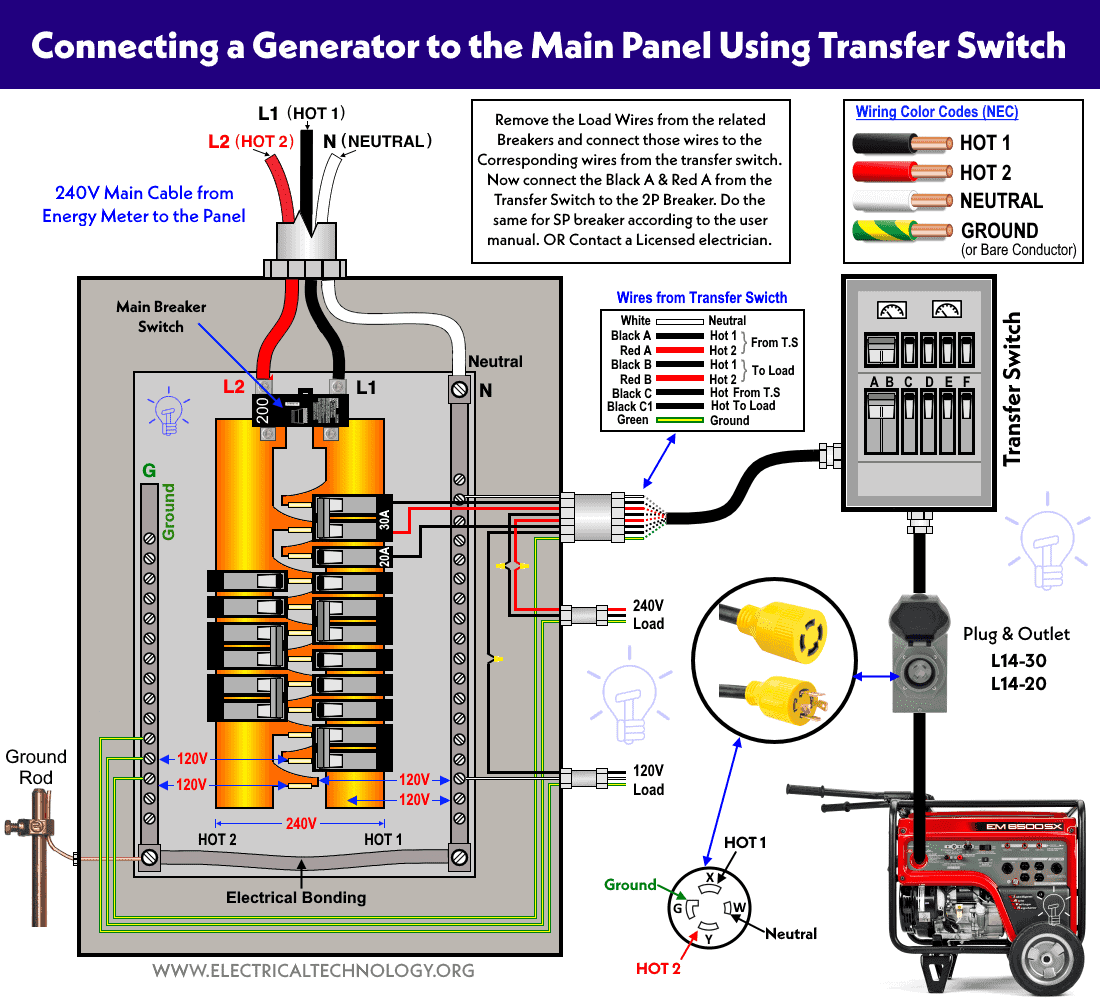
When it comes to connecting a generator, there are a few common variations. You might have a smaller portable generator, perfect for running just a few critical items like your refrigerator and some lights via heavy-duty extension cords (though this is the least integrated method and requires careful management). More commonly, people opt for a more permanent and much safer solution like a manual transfer switch (MTS) or a generator interlock kit. An MTS is installed near your main electrical panel and allows you to select which circuits in your house the generator will power. An interlock kit works directly on your service panel, physically preventing you from turning on both the main utility power and the generator at the same time. Both of these methods safely isolate your house from the power grid, which is absolutely crucial.
Must Read
So, how do you get started on this path to power independence? First and foremost, remember: safety first! This isn't just a suggestion; it's a non-negotiable rule when dealing with electricity. Our biggest practical tip is to consult and hire a licensed electrician for the installation of any permanent wiring like a transfer switch or interlock kit. While you can learn about the concepts, the actual installation requires professional expertise to ensure it’s done correctly and safely. Furthermore, always ensure your generator is placed outdoors in a well-ventilated area to avoid carbon monoxide poisoning. Get familiar with your generator's manual, understand its output, and consider what specific circuits in your home you want to power during an outage. And remember, never "backfeed" your house by plugging a generator directly into a wall outlet, as this is incredibly dangerous and can injure utility workers or damage your generator.
Embracing the knowledge of how to safely connect a generator to your home offers incredible value. It’s not just about wires and watts; it’s about empowering yourself and your family with resilience. The enjoyment comes from that confident feeling of preparedness, knowing that when the grid falters, you'll still have light, warmth, and the simple comforts of home. It’s a smart step towards being truly ready for anything!