How To Wire A Portable Generator To A House
Ever been sitting in the dark during a power outage, candle flickering, fridge slowly losing its cool, and thought, "There has to be a better way?" You're not alone! The rumble of a portable generator often signals hope for many, bringing back the comforting hum of refrigerators and the glow of screens. But how do you actually get that power from the generator, sitting patiently in your yard, safely into your house? It’s a fascinating little dance, and way cooler than just plugging into a wall socket!
Why Can’t I Just Plug My Generator Into a Wall Outlet? (Spoiler: It’s Dangerous!)
This is probably the most important question, and understanding the answer is key to staying safe. Your first instinct might be, "Hey, it's electricity, right? Just plug it into an extension cord, then into an outlet inside!" But hold your horses, because that’s a big no-no, and for a really good reason. This act is called backfeeding, and it’s incredibly dangerous.
Imagine the power lines outside your house are like a one-way street for electricity from the utility company. When you backfeed, you're essentially trying to drive your own car (your generator's power) against traffic on that one-way street, right back to the power grid. Not only could you fry your own appliances, but more critically, you could send electricity down the lines that linemen are trying to fix! They might think the power is off, but your generator could be energizing those lines, creating a very real, potentially fatal shock hazard. We definitely don't want to be accidental superheroes of doom, do we?
Must Read
Enter the Hero: The Transfer Switch
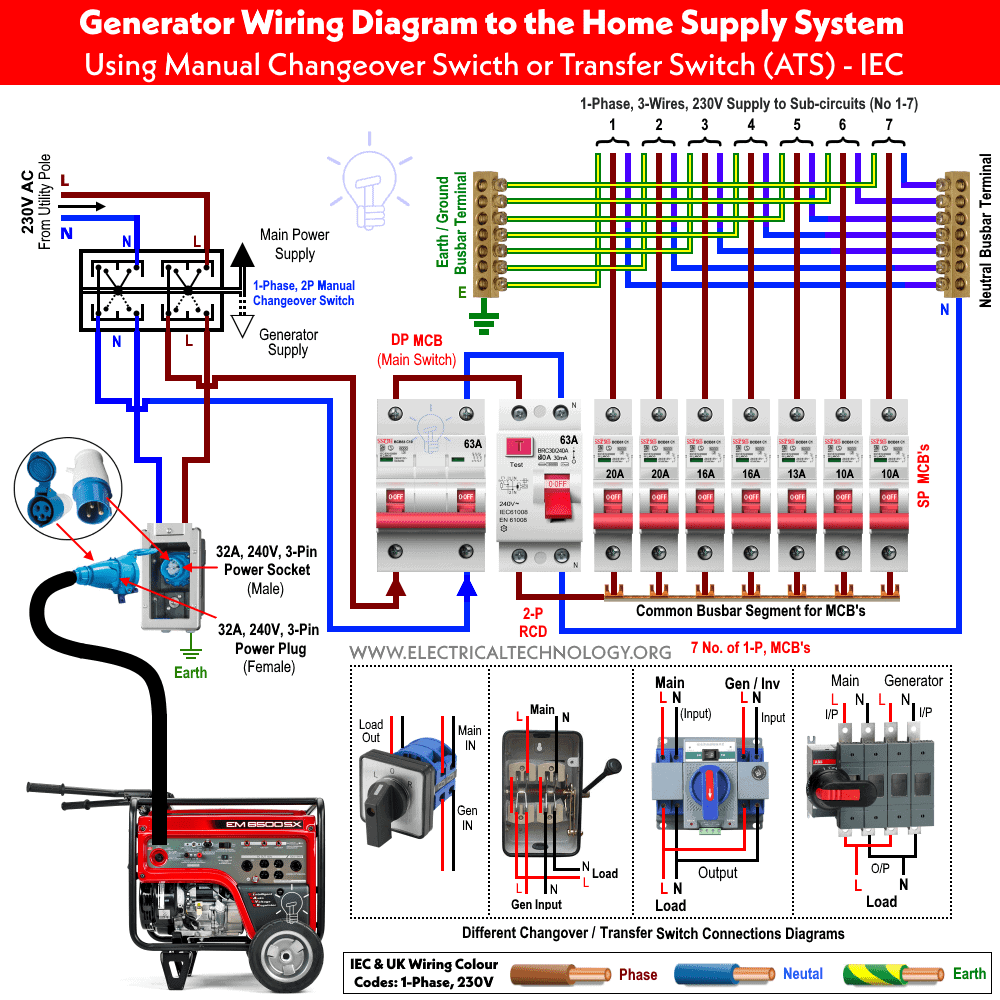
So, if plugging directly into an outlet is out, what’s the safe and legitimate way to get that generator juice flowing into your home? The star of our show is something called a transfer switch. Think of it as a super-smart traffic cop for your home's electricity. Its job is crucial: to ensure that your house is never connected to both the utility company's power grid AND your generator at the same time.
When the grid goes down, the transfer switch lets you flip a lever or press a button, disconnecting your house from the utility and connecting it to your generator. When the main power comes back on, you reverse the process. It's like having a secure airlock for your electricity, guaranteeing no dangerous backfeeding can occur. Pretty neat, right?
The Whole Setup: Inlet Box, Cord, and the Dance
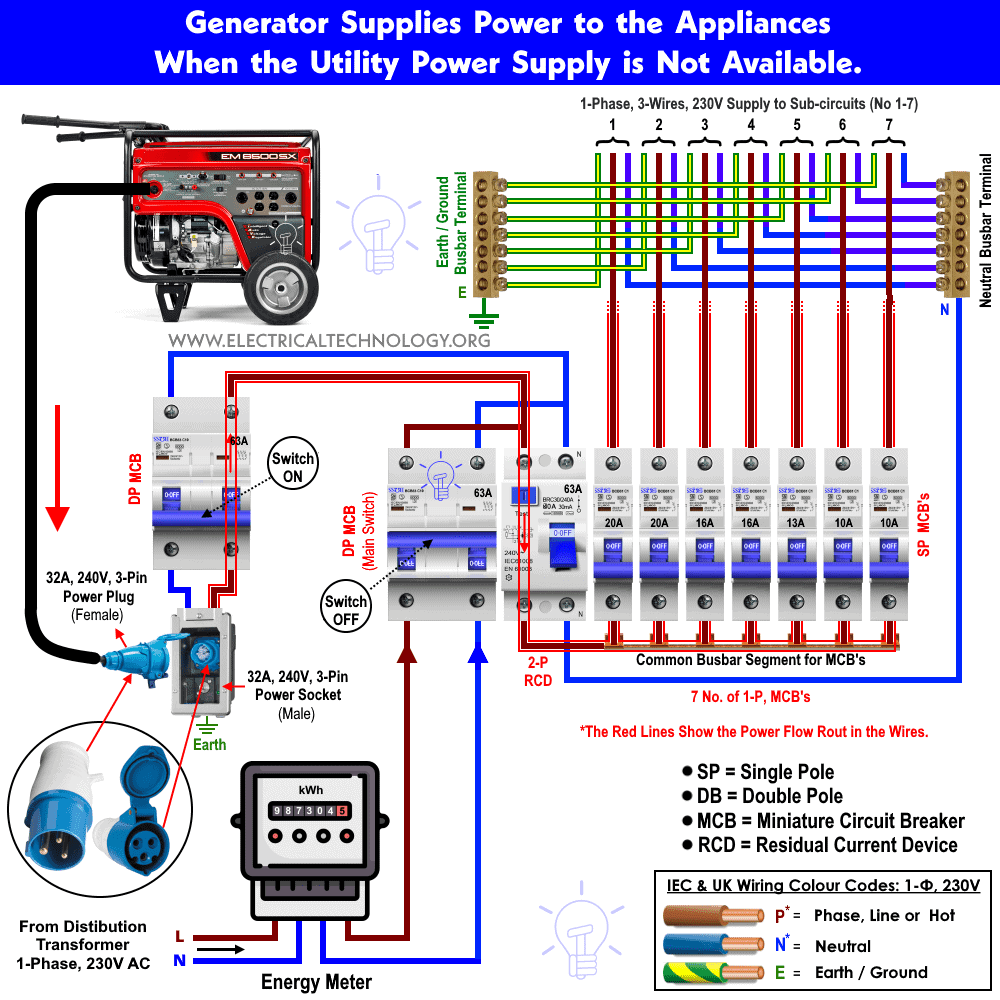
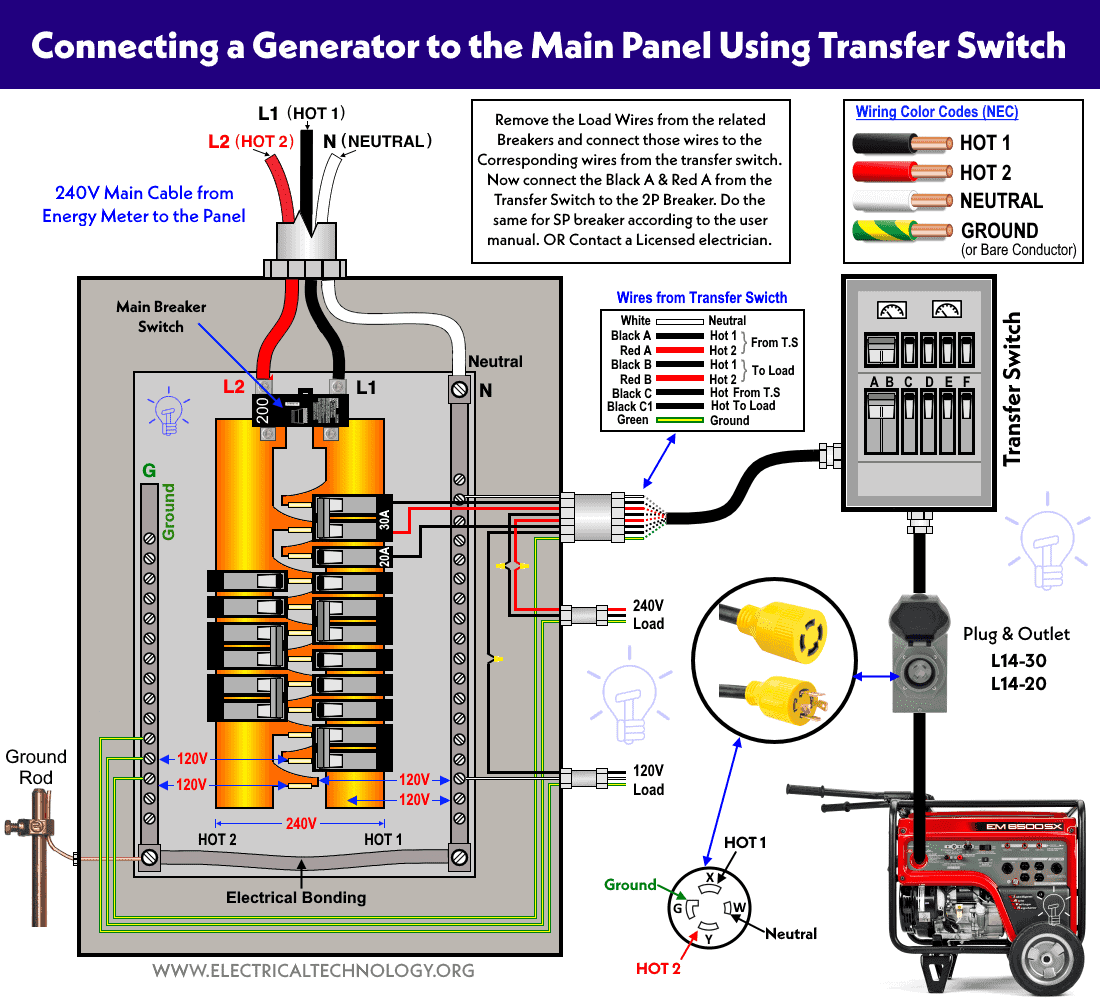
So, how does the transfer switch get its power from the generator? It's part of a complete, dedicated wiring system. First, you'll need an inlet box. This is typically installed on the outside of your house, usually near your main electrical panel. It looks like a heavy-duty outdoor receptacle, and it's where your generator will physically plug in. It’s built tough to withstand the elements, just like a little fortress for your power connection.
Then, you’ll need a special, thick, heavy-duty generator cord. This cord is designed to handle the high wattage your generator produces and has specific connectors for your generator and the inlet box. Once the generator is running outside, you plug one end into the generator and the other into the inlet box on your house. From the inlet box, specialized wiring runs directly to your transfer switch inside your house, completing the safe circuit.
The Power Play: How It All Works When the Lights Go Out
When the power goes out, here’s the sequence of events, like a well-choreographed dance:

- First, you’d head to your generator, wheel it to a safe, well-ventilated spot (always outside and far from windows and doors to avoid carbon monoxide).
- Plug the heavy-duty generator cord into the generator and then into your home's exterior inlet box.
- Start your generator. It’ll rumble to life, ready to deliver that sweet, sweet power.
- Go inside to your transfer switch. Here’s the magic moment! You’ll flip the switch from "Utility" to "Generator." This is the critical step that isolates your home from the grid and connects it to your generator's power.
- Now, you can flip on specific breakers on your transfer switch (or your main panel, depending on the type of switch) that power essential circuits – your fridge, a few lights, perhaps the furnace fan, and that all-important coffee maker!
When the utility power eventually returns, you simply reverse the process: flip the transfer switch back to "Utility," shut down your generator, and unplug it. Easy peasy, and incredibly safe!
Beyond the Basics: A Nod to Safety and Professionalism
While understanding how it works is cool, remember that installing a generator transfer switch and inlet box involves working with your home's electrical system. This isn't a DIY project for the faint of heart or inexperienced. Always hire a qualified, licensed electrician for the installation. They’ll ensure everything is up to code, safe, and sized correctly for your generator and home's needs.

Also, never forget the critical importance of generator safety: always operate it outdoors in a well-ventilated area, away from windows and doors, to prevent carbon monoxide poisoning. Keep fuel stored safely, and follow all manufacturer guidelines.
The "Why It's Cool" Factor: Empowerment and Comfort
So, why is all this intricate wiring and switching cool? Because it grants you power – quite literally – during moments of helplessness. Imagine your neighbors enduring the silence and darkness, while you’re enjoying a warm meal, catching up on a show, or simply keeping your pipes from freezing in winter. It’s a profound sense of preparedness and independence. Understanding the safe way to harness that portable power means you're not just buying a generator; you're investing in peace of mind, comfort, and a little bit of backyard ingenuity. It’s a practical skill to understand, a fascinating system to observe, and a true comfort during those unexpected dark times.
So next time the lights flicker, you'll know exactly the safe, smart way to keep your home humming along, all thanks to that humble generator and its clever traffic cop, the transfer switch!