How To Use Weld Fillet Gauge

There's a certain magic to welding, isn't there? The shower of sparks, the smell of molten metal, the incredible satisfaction of fusing two pieces of material into something stronger, something new. Whether you're a professional fabricator building skyscrapers or a weekend warrior crafting a new garden gate, the goal is always the same: a strong, reliable, and beautiful weld. But how do you know your weld is truly up to snuff? How do you ensure it’s not just pretty, but structurally sound? Enter the humble hero of quality control: the weld fillet gauge.
This seemingly simple tool is far more than just a piece of metal; it's your personal safeguard against structural failure and costly mistakes. In everyday life, robust welds mean safer bridges we drive over, sturdier frames in our vehicles, and reliable machinery that keeps our world moving. A perfectly measured fillet weld ensures optimal strength, preventing cracks, fatigue, and ultimately, catastrophic failures. It’s about compliance with industry standards, yes, but more importantly, it's about peace of mind. For businesses, it means avoiding expensive rework, maintaining reputation, and even preventing potential legal liabilities. For the DIY enthusiast, it means your ambitious project won't fall apart after a few months – it will last, just as you intended.
You'll find the principles behind accurate fillet welding everywhere. From the intricate pipework in a modern refinery to the robust chassis of a heavy-duty truck, from the skeletal steel framework of a new building to the custom fabrication in a hot rod shop – precision welding is paramount. Even smaller projects, like crafting custom metal furniture or repairing agricultural equipment, rely on correctly sized and shaped fillet welds. Every time a welder picks up their torch, a fillet gauge is often nearby, ready to ensure that the critical connection points are just right.
Must Read
Ready to wield this little wonder yourself? Here are some practical tips to enjoy and use your fillet gauge more effectively:
- Cleanliness is Key: Always ensure both the weld surface and your gauge are free of slag, spatter, or dirt. Even a tiny particle can throw off your measurement. A wire brush on the weld and a quick wipe for the gauge are often all you need.
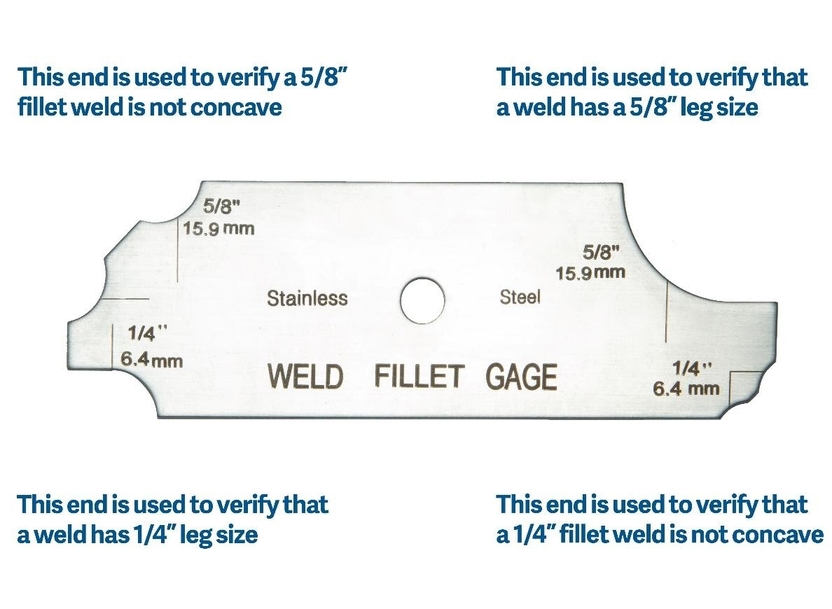
- Understand Your Weld Type: Fillet welds have 'legs' and a 'throat'. The gauge primarily measures the leg length. You'll typically encounter three profiles: normal (flat), convex (bulging), and concave (dished). Your gauge usually has various blades or profiles to check for all these.
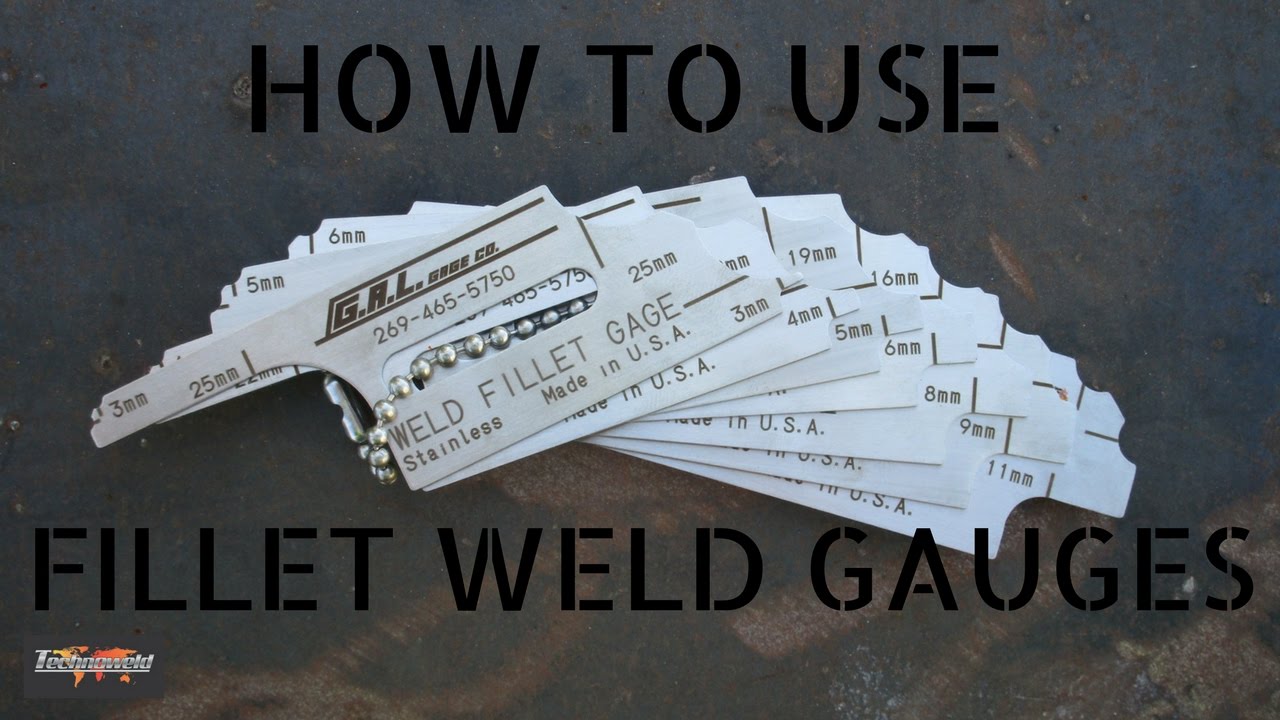
- Proper Placement for Leg Length: Select the appropriate blade on your gauge (often marked with sizes in inches or millimeters). Position it against one leg of the weld, ensuring it makes solid contact along its length. If there's a gap between the gauge and the weld, it's undersized. If the weld extends past the gauge, it's oversized. A snug fit means you've hit the mark.
- Checking for Convexity/Concavity: Many gauges also have specific profiles designed to check if your weld is too convex (over-filled, reducing throat efficiency) or too concave (under-filled at the throat, weakening the weld). Slide the correct profile over the weld to see if it sits flush or if there are noticeable gaps.
- Practice, Practice, Practice: The more you use it, the better you'll become at quickly and accurately assessing your welds. It's a tactile skill that improves with experience.
- Maintain Your Tool: Keep your gauge clean, dry, and protected from damage. A bent, scratched, or worn gauge is useless and will provide inaccurate readings. Store it safely in its case or a dedicated pouch.
Embrace the weld fillet gauge, and you're not just measuring metal; you're measuring confidence, safety, and the satisfaction of a job truly well done. Happy welding!