
How To Use Electric Meter

Ever found yourself staring blankly at your electricity bill, wondering how on earth you managed to power a small city last month? Or perhaps you're simply curious about the silent, unassuming box that quietly tracks your home's energy heartbeat. Well, my friend, it's time to demystify the electric meter! Far from being a mere utility gadget, understanding your meter is like gaining a superpower: the ability to control your consumption, save some cash, and even contribute to a greener planet. It's surprisingly simple, incredibly empowering, and dare we say... a little bit fascinating.
The Mysterious Box on the Wall (or Outside)
At its core, your electric meter is the unsung hero quietly chronicling your home's energy story. Think of it as a tiny, dedicated historian for your power consumption. It measures how much electricity your household uses, typically in kilowatt-hours (kWh). This isn't just a number for your utility company; it's a direct reflection of how many lights you leave on, how many loads of laundry you run, and how much binge-watching you do. Knowing how to read it means you're not just a consumer; you're an informed participant in your own energy narrative.
First things first, let's find this elusive energy oracle! For most folks, your electric meter lives on an exterior wall of your home, often towards the front or side, or sometimes nestled away in a garage or basement. If you live in an apartment, it might be in a common utility room. If you're struggling, a quick peek at your previous bill might even show its location or meter number. Snap a quick photo for future reference – it’s a modern life hack!
Must Read
Meet Your Meter: Analog vs. Digital vs. Smart
Not all meters are created equal, and thankfully, most are quite straightforward. Let's break down the main types you might encounter.
The Classic Dial Meter: A Bit of Retro Charm
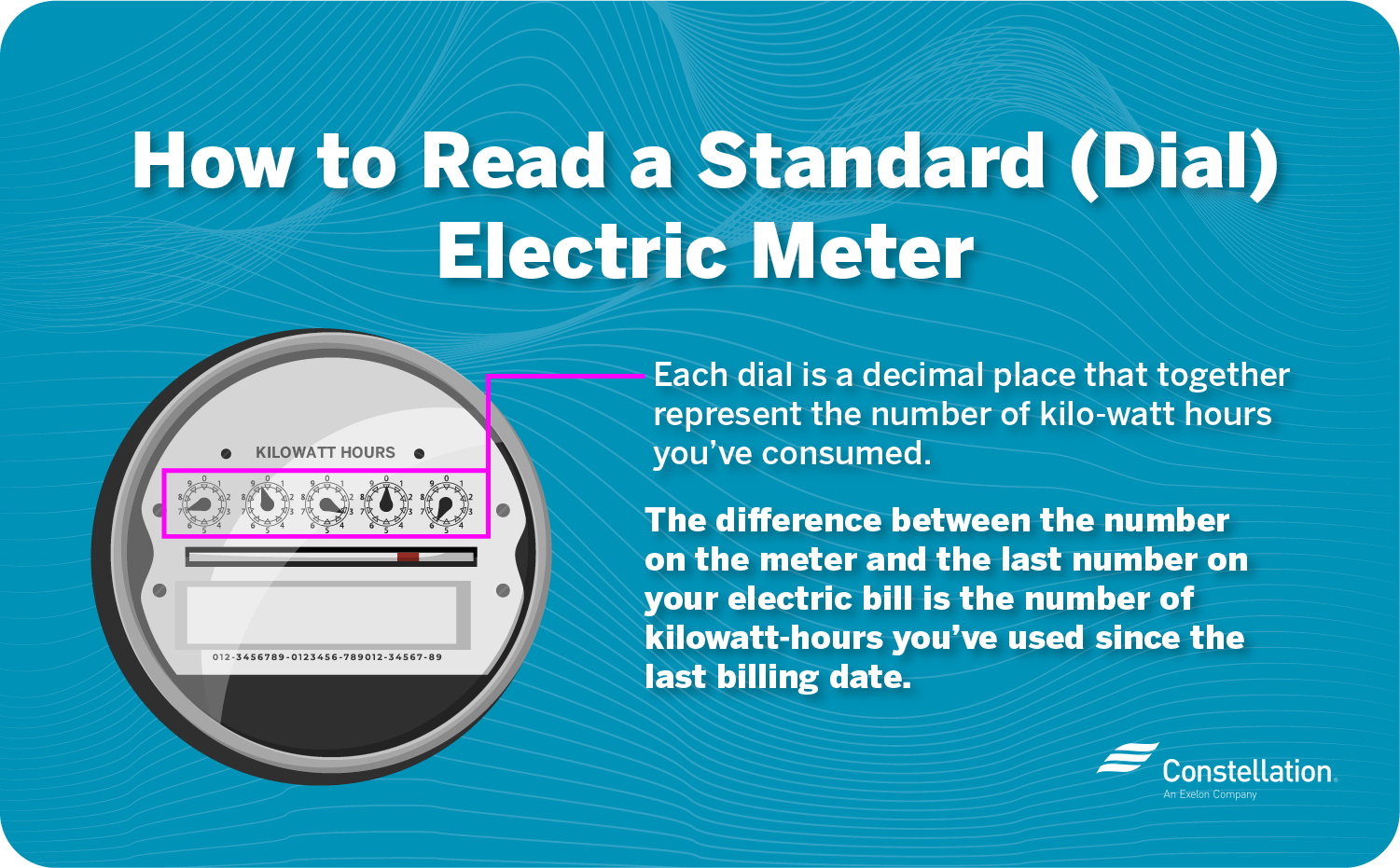
Ah, the classic dial meter! These charming relics feature a row of four or five small dials, each with numbers 0 through 9. Reading them is a bit like solving a gentle puzzle. You simply read the numbers on each dial from left to right. When the pointer is between two numbers, always record the lower number. If it’s directly on a number, peek at the dial to its right: if that dial has passed zero, record the number the pointer is on; if not, record the lower number. It takes a little practice, but there’s a certain satisfaction in mastering this vintage skill.
The Digital Display: Simplicity Itself
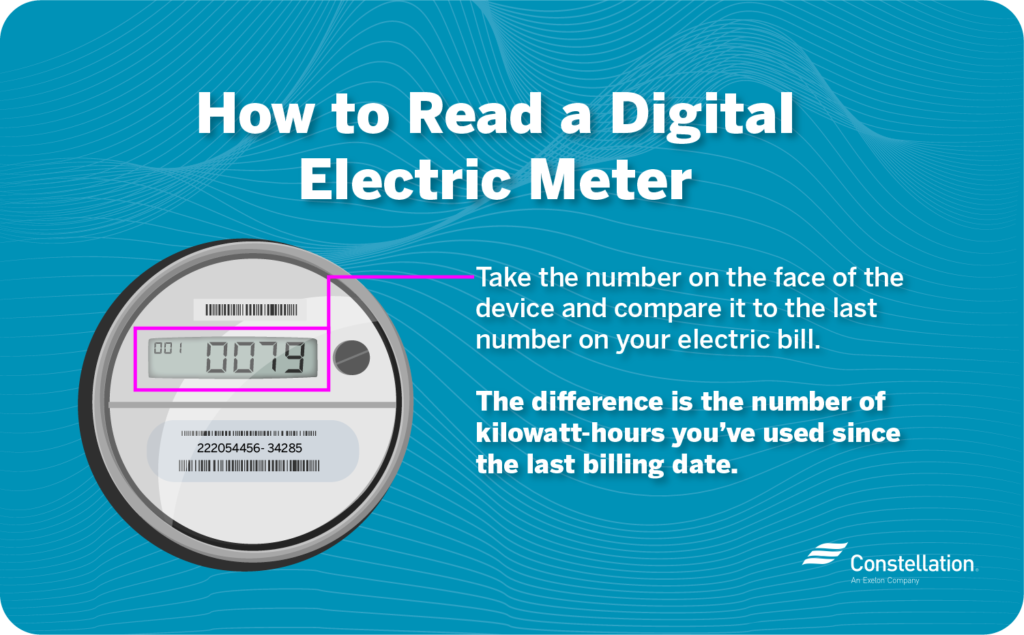
Most modern homes now sport a digital meter. These are infinitely easier to read, presenting your consumption as a clear, easy-to-digest number on a screen. Sometimes it will cycle through different readings (current usage, peak demand, total kWh), but usually, the main kilowatt-hour reading will be clearly displayed. Just jot down the numbers you see – it’s really that simple! No fuss, no muss.
The Smart Meter: Your New Best Friend
The new kids on the block, smart meters, are revolutionizing how we interact with our energy. These clever devices don't just display your usage; they communicate directly with your utility company, sending readings automatically. Even better, many come with handy apps or online portals that allow you to track your energy consumption in near real-time. Imagine seeing the cost of your morning coffee routine as it happens – now that's power (pun intended!) at your fingertips. No more surprise bills, just clear, immediate data.

Why Bother? The Power (and Savings!) in Your Hands
So, you've found it, you know how to read it – but why bother? This isn't just about utility companies; it's about empowerment.
- Budgeting Brilliance: Regularly checking your meter helps you track your spending and pinpoint when your consumption (and thus, your bill) spikes. Is it the summer AC? The holiday lights? Knowledge is power, and also, money saved.
- Spotting Sneaky Surges: If your bill seems unusually high, a meter reading can confirm if it's actual usage or a billing error. It's your personal quality control check.
- Eco-Warrior Within: Understanding your energy footprint helps you make more conscious choices. Every kilowatt-hour saved is a small victory for the planet.
- The Vampire Drain Hunt: Ever heard of vampire drain? It's the electricity appliances consume even when turned off or in standby mode. Reading your meter before and after a period of unplugging everything (except essentials, of course!) can reveal just how much these silent energy suckers are costing you.
Practical Tips for the Modern Homeowner
Ready to take control? Here are a few easy tips to integrate meter reading into your routine.
- Make it a Habit: Try checking your meter at the same time each month, perhaps when you get your bill, or even weekly for a more granular view. Consistency is key!
- Photo Finish: Don't just write it down, snap a photo of your meter reading with your phone. It's an instant timestamped record that can resolve any future discrepancies.
- Know Your Rate: Your electricity rate changes! Understand if you're on a flat rate, tiered rate, or a time-of-use plan. This context makes your meter readings even more meaningful. Your utility company's website or your bill will usually have this info.
A Little Electric Trivia for Your Next Dinner Party
Here's a little something to spark conversation and impress your friends:
- The first central power station in the U.S. was Thomas Edison's Pearl Street Station in New York City, which began operating in 1882. Talk about a glow-up!
- Did you know that worldwide, around 85% of electricity is used in buildings? We're all part of a huge global energy network, powering homes, offices, and even data centers.
- Some smart meters can even tell your utility company if there's an outage in your area, often before you even pick up the phone! How's that for service?
In a world where so much feels out of our control, understanding something as fundamental as our energy consumption is a quiet act of defiance and empowerment. It's not just about a number; it's about being present, making informed choices, and fostering a mindful relationship with the resources that power our daily lives. So go ahead, say hello to your meter. It's ready to tell you a story, and you're ready to listen.
