
How To Use Chromebook As A Second Monitor

Hey there, tech whiz! Ever feel like your laptop screen is just... too small? Like you're trying to cram a whole universe of information onto a postage stamp? I get it. That's where the magic of a second monitor comes in. And guess what? That dusty Chromebook chilling in the corner? Yeah, that one. It can be your second screen savior!
Think of it: more browser windows, more cat videos (important!), and way less squinting. Sounds good, right? So, how do we turn your Chromebook from a paperweight into a productivity powerhouse? Let's dive in! It's easier than you think, promise.
First Things First: The Techy Bits (Don't Panic!)
Alright, before we get too excited, we need to make sure your gear is up to snuff. Not all Chromebooks are created equal, sadly. You'll need a Chromebook that supports the built-in screen mirroring or extended display feature. Most newer models do, but it's always good to double-check. Think of it as confirming your Chromebook's secret identity as a screen-sharing superhero!
Must Read
What else? You'll also need a laptop (or desktop) that supports Miracast. Miracast is basically Wi-Fi's cooler, more display-focused cousin. It lets your devices talk to each other wirelessly and share screens. If your laptop is relatively recent, chances are it already speaks fluent Miracast.
Oh, and make sure both your Chromebook and your main computer are on the same Wi-Fi network. They need to be able to gossip with each other, you know?
The Connection Tango: Let's Get These Screens Talking
Okay, now for the fun part! (Or, you know, the slightly less fun part that leads to the fun part. Semantics!) The exact steps might vary a tiny bit depending on your operating system, but here's the general idea:
On your Windows Laptop:

Hit the Windows key + K. This should bring up the "Connect" sidebar. It's like summoning a screen-sharing genie!
Your Chromebook should pop up in the list of available devices. If it doesn't, make sure Wi-Fi is on and that your Chromebook is awake and lonely, ready to be connected to.
Click on your Chromebook's name. Windows will then attempt to connect.
On your Chromebook:
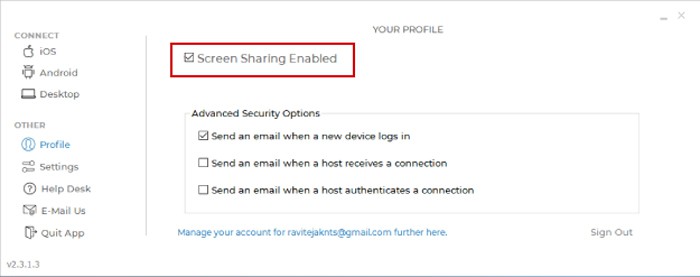
Here's the tricky bit... sometimes, nothing happens! But usually, you'll see a notification asking if you want to allow the connection. Click "Allow". Don't be rude, now!
And... (drumroll, please!)... your Chromebook should now be acting as a second monitor! Isn't technology amazing? (Even when it's slightly temperamental).
Now What? (The Fun Part, For Real!)
Alright, so you've got your second screen. Awesome! But what can you do with it? The possibilities are endless (well, almost). Here are a few ideas to get you started:
Extend Your Desktop: This is the most common use. Drag windows from your main screen to your Chromebook. Perfect for keeping an eye on email while you work, or for having reference materials handy. I mean, who wants to alt-tab a million times, right?
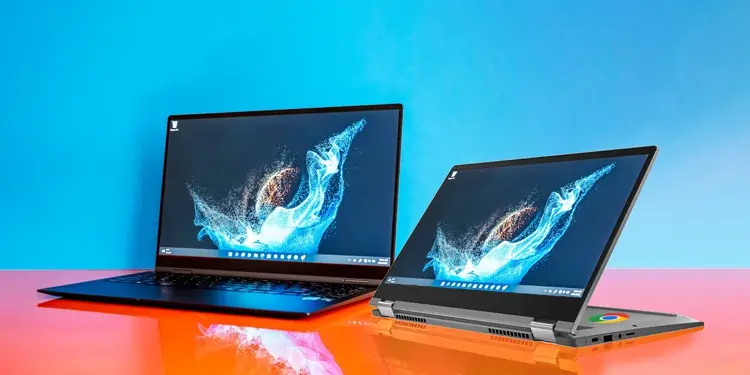
Duplicate Your Screen: Want to show someone something on your laptop without them huddling awkwardly around one screen? Mirroring is your friend! This shows the exact same thing on both screens. Think presentations, Netflix parties (sort of), or showing off your mad gaming skills (maybe).
Designate as Main Monitor: You can even swap your Chromebook screen as the main screen, which is great in some cases.
Fine-Tuning: You can usually adjust settings like screen resolution and arrangement in your display settings. Don't be afraid to experiment until everything looks just right.
Troubleshooting Time (Because Tech Never Quite Works Perfectly, Does It?)
Okay, so maybe things didn't go quite as smoothly as planned. Don't worry, it happens! Here are a few common culprits:
Connection Issues: Make sure both devices are on the same Wi-Fi network and that Miracast is enabled on your laptop. Restarting both devices is also the IT equivalent of "have you tried turning it off and on again?" (Because it often works!).
Laggy Performance: Wireless connections can be a bit laggy sometimes. Try moving closer to your Wi-Fi router, or closing any unnecessary programs that might be hogging bandwidth.
Compatibility Problems: As mentioned earlier, make sure your Chromebook and laptop both support Miracast. If you're still having trouble, a quick Google search for your specific devices and "Miracast problems" might turn up some helpful solutions.
So, there you have it! Turning your Chromebook into a second monitor is a relatively easy way to boost your productivity (and your bragging rights). Now go forth and conquer the digital world, one extra screen at a time!