
How To Use A Generator To Power House

Picture this: a wild storm hits, the lights flicker, and then… darkness. Your fridge warms, your phone dies, and that Netflix binge becomes a distant memory. Sound familiar? Power outages can be a real drag, but what if you could start an engine and bring your home back to life? That's where the trusty generator comes in! Learning to use one isn't just about survival; it’s about reclaiming comfort, staying connected, and feeling like a superhero when everyone else is fumbling for candles. It’s an incredibly useful skill that empowers you to keep your household humming, come what may.
The primary purpose of a generator is simple: to provide an independent source of electrical power when your main grid goes down. The benefits are immense. Imagine keeping your refrigerator and freezer running, saving hundreds in spoiled food. You can maintain essential medical equipment, keep your home warm or cool, and even enjoy lights and internet. It offers invaluable peace of mind, knowing you’re prepared for anything from a winter storm to an unexpected grid failure. With a generator, you're the master of your own power destiny, no more huddling in the dark.
So, how do you get this magical box to power your palace? Let's break it down in a friendly, no-fuss way. First, and this is absolutely critical, safety first! Generators produce carbon monoxide, an invisible, odorless, and deadly gas. Therefore, a generator must always be operated outside, far away from windows, doors, and vents. Seriously, this isn't negotiable. Also, always keep a working carbon monoxide detector in your home.
Must Read
Once you’ve got your generator safely positioned outside, make sure it’s on a flat, dry surface. Next, you'll need fuel. Most portable generators run on gasoline, but some use propane or natural gas. Always use the correct fuel type for your specific model and fill it up when the generator is off and cool. Consult your owner's manual for precise instructions.
Now, to connect it to your house. For basic needs, you can use heavy-duty extension cords to power individual appliances directly from the generator. This is the simplest method for beginners, but be mindful not to overload the generator by plugging in too many high-wattage items. Prioritize essentials like your refrigerator and a few lights. For a more comprehensive and safer solution, especially if you want to power multiple circuits in your home, you'll need a manual transfer switch installed by a qualified electrician. This switch safely isolates your home's electrical system from the utility grid, preventing dangerous "backfeeding" of electricity, which can seriously injure utility workers. Never attempt to backfeed power into your home's electrical system without a proper transfer switch.
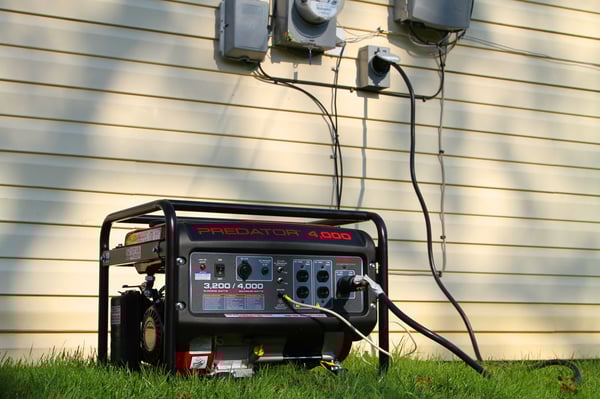
Once fueled and connected (via cords or a transfer switch), you can start your generator. Follow your specific model’s starting procedure – usually involving turning on the fuel valve, setting a choke, and pulling a recoil cord or pressing a start button. Let it warm up for a few minutes before applying a load. To shut down, first turn off any connected appliances, then let the generator cool down for a few minutes without a load, and finally, follow its shutdown procedure, typically turning off the fuel valve and then the ignition.
Having a generator at the ready is a smart move for any homeowner. It’s about more than just keeping the lights on; it’s about maintaining comfort, security, and the rhythm of your daily life, even when the grid takes a break. Get informed, stay safe, and enjoy the power of preparedness!


