How To Unlock Sliding Door From Outside

Ever found yourself on the wrong side of a stubbornly locked sliding door? Perhaps you stepped out onto the patio for a moment, and a breeze (or a mischievous toddler) engaged the lock from the inside. Or maybe you need to retrieve something vital from a room that’s suddenly inaccessible. Learning how to unlock a sliding door from the outside isn't about becoming a master burglar; it's about gaining a handy, practical skill for your own home, turning a moment of frustration into a quick fix. It’s a little like having a secret superpower for everyday inconveniences!
The primary purpose of understanding this neat trick is pure convenience and problem-solving. Think of the benefits: no more waiting endlessly for someone inside to hear your pleas, or having to trek around the entire house to find an alternate entry. It grants you a certain degree of self-reliance. Beyond the everyday "oops, I locked myself out," it offers peace of mind. Imagine needing to check on an elderly relative or a child who's inadvertently locked themselves in, or perhaps accessing a pet-friendly room without disturbing anyone. It can even be useful for simpler tasks like easier access for cleaning those hard-to-reach exterior windows, or for retrieving that phone you just left on the patio table.
In our daily lives, examples abound. Picture this: you’re having a backyard BBQ, step out to grab something from the cooler, and the patio door slides shut and latches behind you. Knowing a simple bypass method saves the day! Or consider a scenario where you've lent out your guest room, and the guest has stepped out, leaving the balcony-access sliding door locked, preventing you from airing out the room. Even seemingly trivial things like a closet with a sliding door and a finicky lock can be quickly managed. While not directly "educational" in a formal sense, learning about your home's locking mechanisms fosters problem-solving skills and a better understanding of how simple machines work. It teaches you to observe, analyze, and apply gentle pressure, rather than resorting to brute force.
Must Read
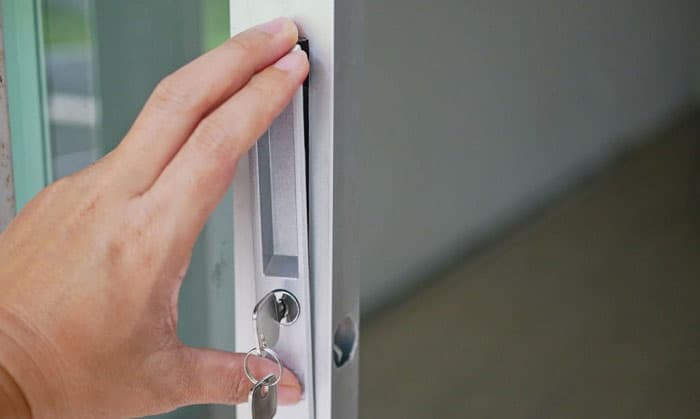
Ready to explore this useful life hack? Here are some practical tips and simple ways to try it out – on your own doors, of course! First, identify your door type. Many sliding patio doors use either a simple flush-mount latch or a hook-latch mechanism. For flush latches (where a small bolt slides into the door frame), the classic "credit card" trick often works. Take a thin, flexible card (an old loyalty card is perfect, don't risk your bank card!) and carefully slide it into the gap between the door and the frame, right near the latch. Wiggle it, angling it to push the bolt back into the door. It might take a few tries, but often, the latch will retract with a satisfying click.
For hook latches, which are generally more secure, you might need a sturdier, thin tool like a butter knife or a flat-head screwdriver. The goal is to carefully insert it into the gap and try to manipulate the hook itself. Some doors also have small, easily bypassed mechanisms accessible through tiny holes, especially on bathroom or closet sliding doors, where a paperclip or thin rod can often disengage the lock. Always be gentle; the aim is to bypass, not to damage the door or frame. Sometimes, just applying firm, steady pressure on the door while jiggling it slightly can dislodge a sticky lock. Before attempting any of these, always check for an external keyhole or button if your door is equipped with one. This is a skill best practiced lightly and observed on your own property, empowering you with a little extra control over your personal space.