
How To Turn On Irrigation System After Winter

Alright folks, gather 'round, because we're about to embark on a thrilling adventure. An adventure so daring, so fraught with peril (okay, maybe a slight exaggeration), that it separates the green thumbs from the... well, brown thumbs. I'm talking about turning on your irrigation system after a long, hard winter. Think of it as waking a slumbering giant, only this giant spits water, not fire. And hopefully not at you.
Before we dive in, let's acknowledge the elephant in the room. Some of you are thinking, "Irrigation? Pfft, I just let nature take its course!" To you, I say, "Bless your heart." And also, "Good luck with that dust bowl you call a lawn." Just kidding! (Mostly.) But seriously, a well-maintained irrigation system is the unsung hero of lush gardens and envy-inducing lawns. So, let's get this show on the road!
Step 1: The Great Inspection
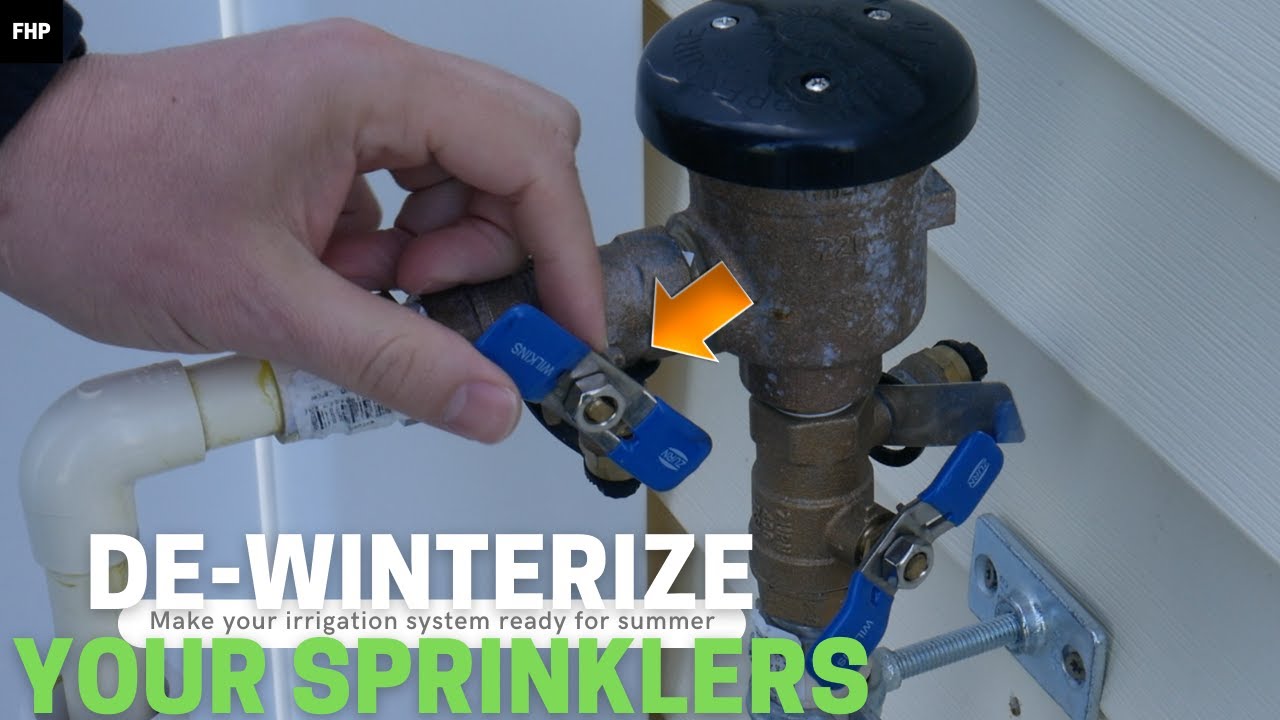
First things first, put on your detective hat. You're looking for clues, Watson! Start by inspecting your backflow preventer. This little gizmo is crucial because it stops dirty water from flowing back into your drinking water. You don't want to accidentally poison your neighbor, do you? (Unless... nah, I'm just kidding! Again.) Check for any cracks, leaks, or signs of general disrepair. If it looks like it's been through a war, it probably has. Get it checked by a professional. Seriously.
Must Read
Next, bravely venture into the sprinkler trenches. Okay, they're probably not trenches, but that sounds more dramatic, doesn't it? Look for any broken sprinkler heads. Squirrels, rogue lawnmowers, and overly enthusiastic children are common culprits here. Replace any damaged heads. They're surprisingly cheap, and you'll feel like a gardening MacGyver.
Pro Tip: While you're down there, check for clogged nozzles. Ants love to build nests in these things. It's like tiny condos for six-legged squatters. A straightened paperclip or a nozzle cleaning tool will be your weapon of choice in this epic battle. Victory is sweet... and often involves a face full of water.

Step 2: The Cautious Turn-On
This is where things get interesting. Slow and steady wins the race. Imagine you're defusing a bomb. (Again, slight exaggeration, but the suspense is real!). Slowly open the main water valve. Don't just crank it open like you're trying to win a prize at the county fair. Give the system time to pressurize. Listen for any strange noises – gurgling, hissing, or the faint sound of squirrels laughing at your misfortune.
Once the system is fully pressurized, walk around and inspect each sprinkler head. Are they spraying in the right direction? Are they emitting a graceful arc of water, or just sputtering pathetically like a tired camel? Adjust as needed. A little tweaking can make a big difference. Think of it as sprinkler head yoga. Get them in the right pose!
Fun Fact: Did you know that some sprinkler systems can be controlled from your phone? We live in the future! You can literally water your lawn from the comfort of your couch. Now that’s what I call efficiency (and laziness, but we won't dwell on that).

Step 3: The Zone Check
Your irrigation system is likely divided into zones. This allows you to water different areas of your yard with varying amounts of water. Go through each zone one by one, making sure everything is working as it should. Look for any leaks or areas that are getting too much or too little water.
Pay special attention to areas near buildings or hardscapes. You don't want to be watering your foundation! That's just asking for trouble (and a hefty repair bill). Adjust the sprinkler heads to direct the water where it's needed, and away from where it's not.

Important: Check your timer. Make sure it's set to the correct time and days. You don't want to accidentally water your lawn at 3 AM. Your neighbors will not appreciate the impromptu sprinkler ballet. Trust me on this one.
Step 4: The Fine Tuning
This is where you channel your inner artist. Fine-tune your system to maximize efficiency and minimize water waste. Adjust the run times for each zone based on the type of plants you have and the amount of sunlight they receive. Consider investing in a rain sensor. This little device will automatically shut off your system when it rains, saving you water and money.
Don't be afraid to experiment! Irrigation is a science, but it's also an art. Play around with different settings until you find what works best for your yard. And don't be afraid to ask for help. Your local nursery or irrigation specialist can offer valuable advice.
And there you have it! You've successfully resurrected your irrigation system from its winter slumber. Now, sit back, relax, and enjoy the fruits (or vegetables, or flowers) of your labor. You've earned it! Just remember, a well-watered lawn is a happy lawn. And a happy lawn makes for a happy gardener (and maybe slightly envious neighbors).
Bonus Tip: Keep an eye on your system throughout the season. Regular maintenance will prevent problems before they start. And remember, a little bit of effort now can save you a lot of headaches (and money) later.
Now go forth and conquer! And may your lawn always be greener than your neighbor's. (But not too green. We don't want to cause any unnecessary jealousy, now do we?)