
How To Turn On A Sump Pump
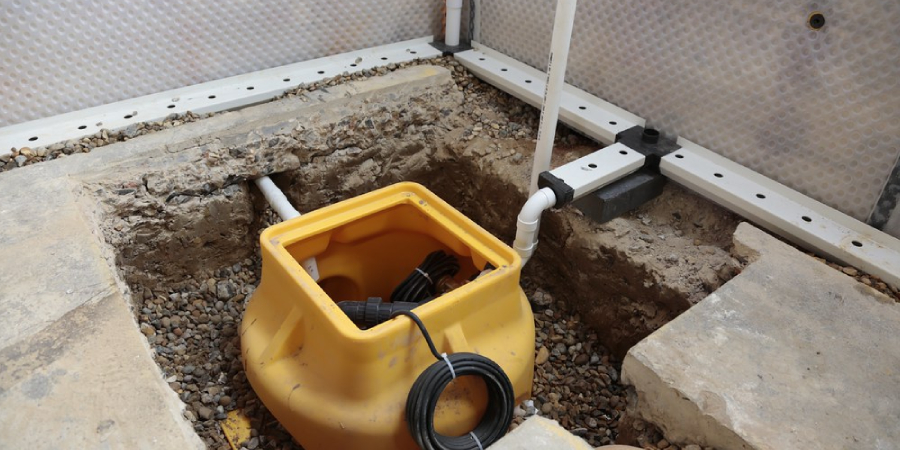
Ah, the mighty sump pump. A quiet, unassuming hero lurking in the damp nether regions of your home. Many people fret over this contraption, especially when the skies open up.
They wonder, "How do I turn it on?" They search for a button, a lever, perhaps even a secret handshake. Well, my friends, prepare for a revelation.
Here's my slightly scandalous, entirely honest, and utterly unpopular opinion: You don't turn on a sump pump. Not in the way you think, anyway. It’s a beautifully independent beast.
Must Read
The Great Sump Pump Mystery: A Button-less Wonderland
Forget everything you know about household appliances. Your sump pump isn't a coffee maker. It's not a toaster. There's no big red button labeled "ON", nor a little green one saying "GO!".
It exists in a state of perpetual readiness. A silent sentry, always poised, always listening for the gentle whisper of rising groundwater. Its job is to be ready, not to wait for your command.
Imagine a tiny, mechanical lifeguard, always on duty. It doesn't need you to blow a whistle or yell "HELP!". It has its own internal alarm system, finely tuned to the environment.
This might sound baffling to those accustomed to direct control. But the sump pump operates on a different, more sophisticated wavelength. It's about anticipation, not activation by human hand.
The True "Switch": Nature's Own Command
The real secret to "turning on" your sump pump lies not with your fingers, but with Mother Nature herself. She's the one holding the remote, folks. She dictates the beginning of its valiant work.
Picture a day of torrential downpour. Rain lashes against the windows, gutters overflow, and puddles threaten to become small lakes. This is the sump pump's cue, its personal invitation to action.
It's like a grand theatrical performance, with the weather as the lead actor. The rain is the curtain rising. The rising water in the basin is the drumroll. And then, the magic happens.
It's an elegant dance between precipitation and physics. The external world sets the stage, and your sump pump dutifully steps into the spotlight, ready to perform its vital function.

The Unseen Hand of the Float Switch
Deep within its murky domain, a clever little component patiently waits. It’s called the float switch, and it’s the true mastermind behind the "on" command, the unsung hero of the operation.
Think of it as a fishing bobber, but with a serious job. As the water level in the sump basin steadily climbs, this float begins its slow, majestic ascent. Up, up, it goes, propelled by the encroaching water.
It’s not just floating for fun, though. This float has a very important job. It’s waiting for its moment to trigger the big event, to make that crucial connection.
Without this silent sentinel, the pump would never know when to start. It’s the eyes and ears, the delicate sensor that communicates the urgent need for drainage.
The Grand Awakening: A Symphony of Gurgles and Whirs
When the water reaches a certain, predetermined height, the float switch finally says, "That's enough!" It clicks into action, completing a circuit that sends a jolt of electrical energy.
Suddenly, from the depths of your basement, a sound emerges. It's a low rumble, a purposeful whir. A mechanical sigh of readiness, followed by the satisfying whoosh of moving water.
This is it! This is your sump pump turning on! Not by your hand, but by its own intelligent design. It’s quite the independent little worker, doing exactly what it was built for.
Many homeowners will instinctively jump when they hear this sound. A mix of surprise and relief often washes over them. "Oh, it's working!" they exclaim, often to an empty room, a silent cheer for their plumbing.
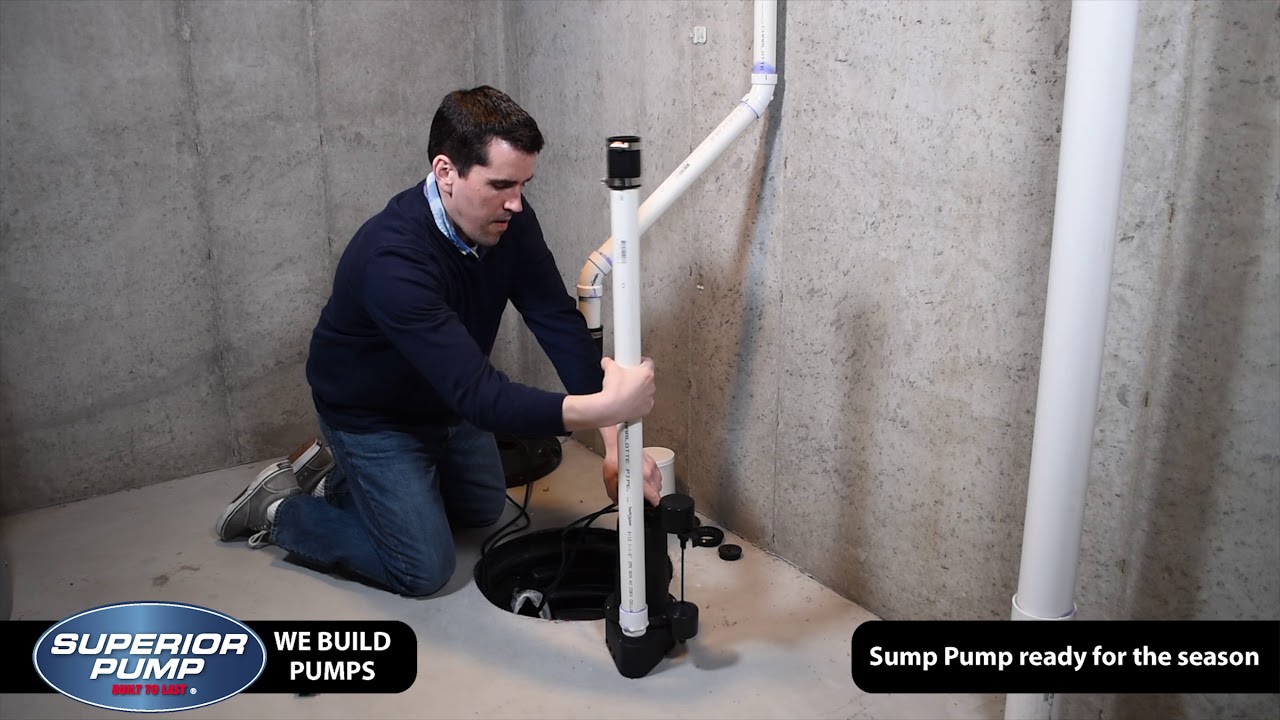
That sudden noise is the beautiful music of protection. It’s the sound of your basement staying dry, without you lifting a single finger to flip a switch. It’s pure, automatic peace.
It truly is a marvel of passive engineering. A set-it-and-forget-it guardian against the damp and dreary, a testament to clever design that requires minimal human oversight.
Your Role? The Benevolent Observer (and Occasional Cheerer)
So, if you’re not "turning it on," what is your role in this whole sump pump saga? Well, you’re the appreciative audience. The head cheerleader. The trusting homeowner who has faith in its capabilities.
Your job is to ensure it has power. Make sure it's plugged in. Beyond that, your work is largely done. The pump handles the heavy lifting, literally, pushing water away with robust efficiency.
You get to sit back, perhaps with a cup of tea, and listen to the sweet hum of water being expelled from your home. It’s pure, unadulterated peace of mind, a symphony of dryness.
Consider yourself the landlord of a very diligent, self-managing tenant. The tenant knows its duties, performs them flawlessly, and only asks for a steady supply of electricity.
No Buttons, No Fuss, Just Function
This is why the question, "How do I turn on my sump pump?" is so wonderfully misleading. It implies a manual intervention that simply isn't needed for normal, everyday, flood-preventing operation.
It's designed to be autonomous. Self-sufficient. A true robot of the subterranean world, programmed to react precisely when needed, and only when needed, without human prompting.

This hands-off approach might feel counterintuitive at first. We’re so used to being in control of our gadgets, pushing buttons and swiping screens. But with the sump pump, control is relinquished to clever physics and mechanics.
It's a refreshing change, really. A piece of technology that doesn't demand your constant attention or interaction. It simply exists, ready to serve when circumstances call.
Embrace the Automation: A Lesson in Trust
Learning to trust your sump pump is a beautiful journey. It teaches us a valuable lesson: some things are better left to the experts, even if those experts are submerged, humming machines.
So next time a storm rolls in, don't rush to the basement searching for a hidden lever. Resist the urge to poke and prod, or to try and outsmart its design. Your sump pump knows its job.
It’s waiting for its moment. For the water to rise just enough. Then, with a proud gurgle, it will spring to life, a testament to silent efficiency, doing what it was born to do.
This delightful independence is truly the heart of the "unpopular opinion." Why try to command something that works best on its own schedule, driven by its own internal logic?
It’s like trying to tell the sun when to rise. It just does. And your sump pump, in its own humble way, has that same unwavering commitment to its duty, a reliable partner in home maintenance.
We often complicate things that are wonderfully simple. The sump pump is a prime example of elegant problem-solving, designed to take the burden off your shoulders, not add to it.

The Post-Operational Glow: When It Turns "Off"
Just as it mysteriously springs to life, it will just as mysteriously power down. As the water level drops in the basin, that trusty float switch descends with it, mirroring the ebb and flow.
Once the water is sufficiently pumped away, the float switch disconnects the power. The whirring stops. Silence returns to the basement, broken only by the drip of residual water, signaling a job well done.
It's another seamless, automatic transition. No need for you to flip a switch to turn it off either. It’s a self-regulating cycle of protection, a complete, worry-free process.
You might wonder, "But what if I want to test it?" Ah, now that’s a different story, and still doesn't involve a traditional "on" switch. You typically pour water into the basin to manually raise the float.
Even then, you're not turning it on directly. You're simply providing the conditions that cause it to turn on by itself. It's a subtle but important distinction, maintaining its autonomy.
So, embrace the zen of the sump pump. Appreciate its autonomy. Revel in the fact that it asks for so little, yet gives so much in return: a dry, protected basement, without any manual effort from you.
A True Set-It-And-Forget-It Champion
In a world full of buttons, apps, and complicated interfaces, the sump pump stands as a beacon of simplicity. Its genius lies in its lack of direct human intervention, a refreshing departure.
It’s the silent guardian, the watchful protector, the basement’s very own dark knight. And all it asks is that you let it do its job, trusting its inherent wisdom.
So, the next time someone asks you, "How do you turn on your sump pump?", simply smile, wink, and say, "I let it turn itself on. It's truly the only way." You'll be sharing a profound truth, an unpopular opinion, and a little piece of sump pump wisdom that sets you apart.