How To Turn Off Wired Smoke Detector
Ever been in the middle of whipping up a culinary masterpiece, only for your kitchen to fill with a little too much smoke (or just enthusiastic steam), triggering that ear-splitting shriek from your wired smoke detector? Or perhaps a dust bunny migration during a vigorous cleaning session set it off? It’s a common household scenario, often met with a mix of panic and frustration. But what if I told you that understanding how to temporarily silence or even turn off your wired smoke detector isn't just about escaping an irritating noise? It’s about becoming a more empowered and knowledgeable resident of your own home, turning a moment of chaos into a calm, controlled situation.
The primary purpose of a smoke detector, whether wired or battery-powered, is unequivocally vital: to save lives by providing an early warning of fire. These vigilant sentinels are always on guard. However, knowing how to manage them also comes with significant benefits. It allows you to quickly distinguish between a real emergency and a false alarm, preventing unnecessary panic (and perhaps a visit from the fire department for burnt toast!). It’s also crucial for routine maintenance, like changing a backup battery without a continuous chirping reminder, or during home renovations where dust and fumes might constantly trigger the alarm. Mastering this skill gives you peace of mind and transforms you from a victim of a blaring alarm into the calm conductor of your home environment.
Consider a few examples from daily life. Imagine you’re searing a steak to perfection, and the kitchen gets a bit smoky. Instead of fanning wildly or opening every window while the alarm screams, you could confidently silence it temporarily. Or, during a bathroom remodel, where sawdust and paint fumes are inevitable, knowing how to temporarily deactivate the linked detectors prevents hours of auditory assault. In a more educational context, understanding your wired detectors can spark curiosity about your home's electrical system, basic fire safety principles, and even the differences between photoelectric and ionization sensors. It teaches us to respect these devices while also understanding their nuances, making us more capable homeowners and tenants.
Must Read
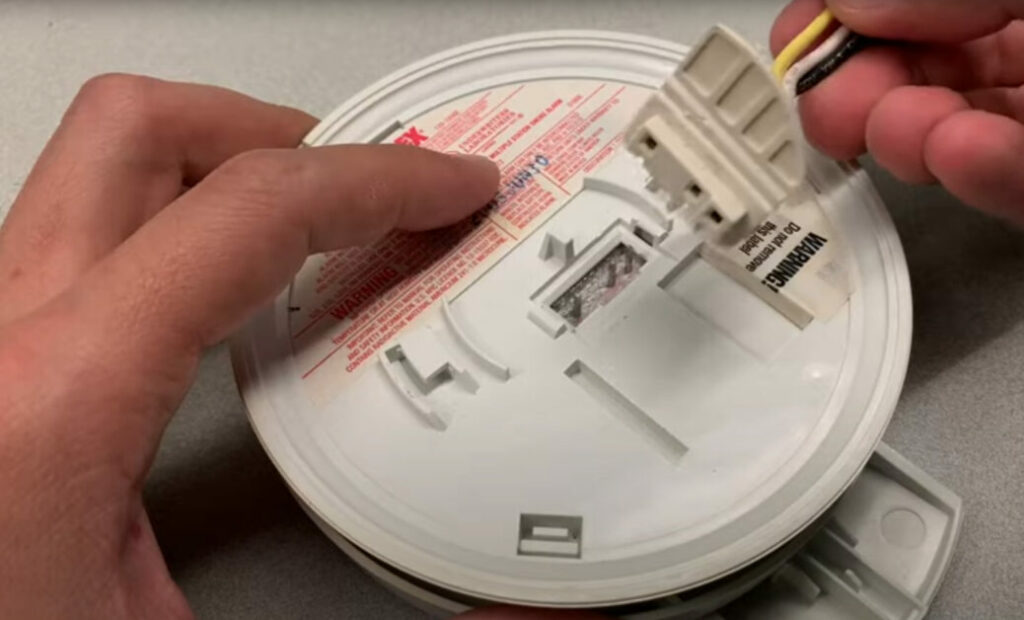
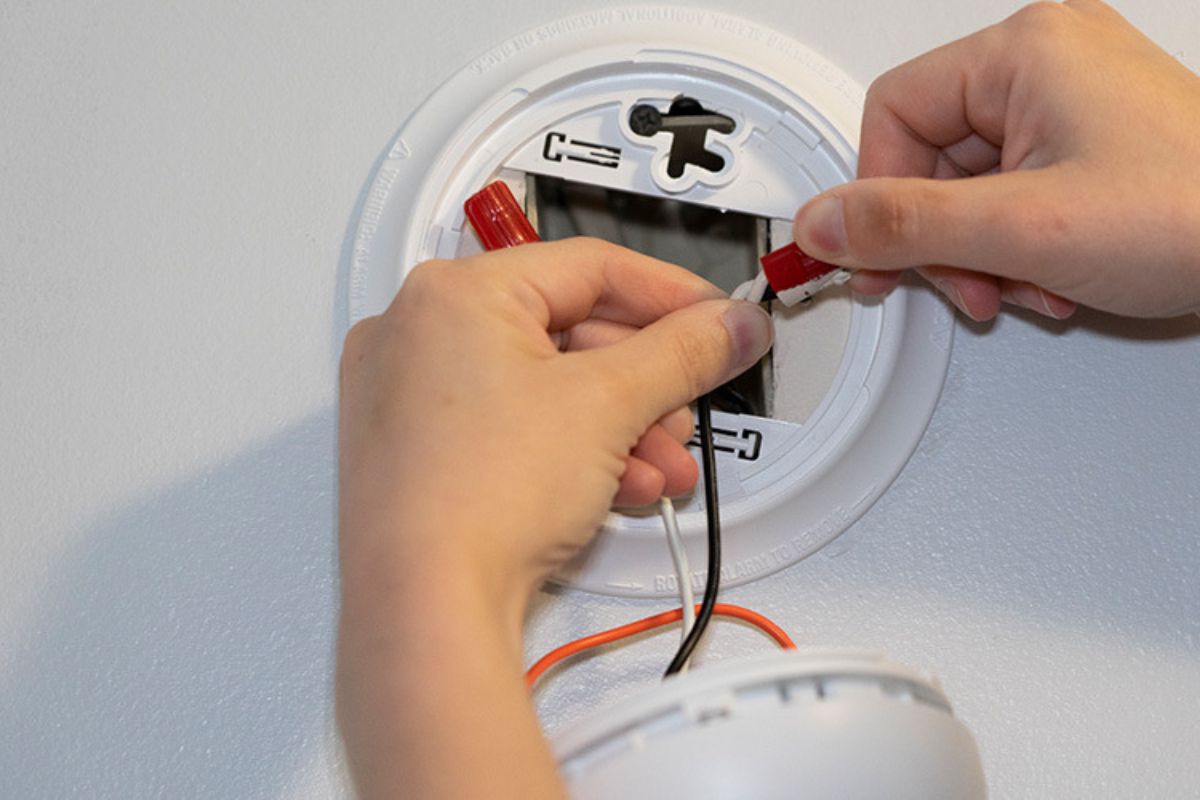
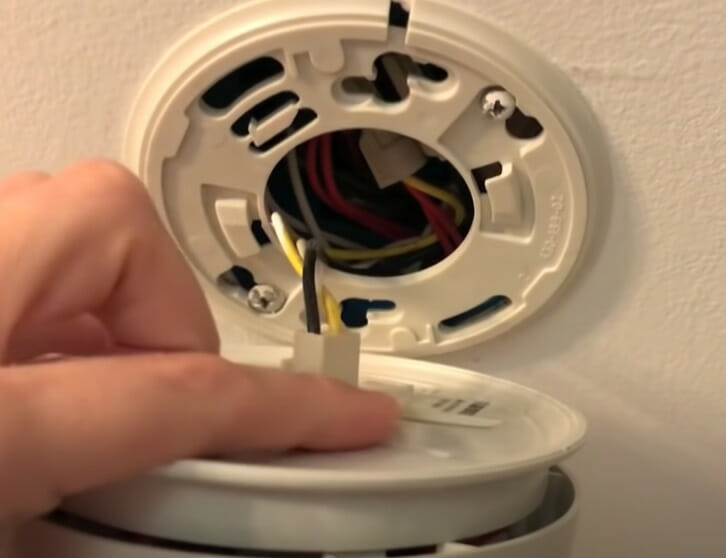
Ready to explore this fascinating bit of home engineering? Here are some practical tips. First, and most importantly, always verify there is no actual fire danger before attempting to silence or disable a detector. Once you’re sure it’s a false alarm, look for a test/silence button on the detector itself. Pressing this usually silences the alarm for several minutes, giving you time to clear the air. For wired detectors, they often have a battery backup. To truly turn one off for maintenance (like changing its backup battery), you’ll typically need to turn off the power at your home's circuit breaker panel. Look for the breaker labeled for "Smoke Detectors" or "Lighting" (as they're often on the same circuit). Once the power is off, you can usually twist the detector counter-clockwise off its mounting base and then remove its backup battery. Always remember to replace the battery and restore power afterward!
A simple way to explore this safely is to locate your breaker panel and identify the smoke detector breaker. You don't have to turn it off, just know where it is. Read the manual for your specific smoke detector model – it often contains invaluable, specific instructions. Learning about your home's smoke detection system isn't just about troubleshooting an annoying sound; it’s about becoming more attuned to your living space, enhancing safety, and fostering a deeper understanding of the systems that protect us every day. So, next time that alarm sings an unwarranted tune, you’ll be ready to respond, not react!

![[6 Easy Ways] - How To Turn Off Hard Wired Smoke Alarm?](https://www.extraalarm.org/wp-content/uploads/2021/11/How-to-Turn-off-Hard-Wired-Smoke-Alarm.jpg)