
How To Turn Off A Fire Alarm At Home
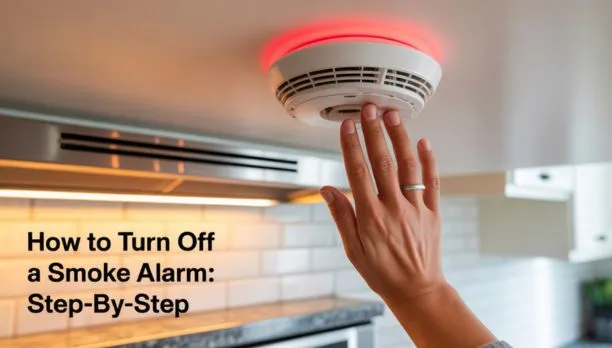
Alright, let's talk about that moment. You know the one. You're minding your own business, maybe making a slightly ambitious piece of toast, or perhaps enjoying a truly epic, steamy shower. Suddenly, out of nowhere, your home transforms into a five-alarm emergency zone thanks to a shrill, ear-splitting shriek. Yes, we're talking about the accidental fire alarm. It’s like your house is screaming, "We're all going to die!" over a bagel. We've all been there, panicking internally while trying to look cool.
That initial jolt, right? Your heart leaps into your throat faster than a cat spotting a laser pointer. One second you're chill, the next you're convinced you've accidentally summoned a banshee. It’s not just loud; it’s an insistent kind of loud, the kind that makes you question all your life choices, especially the one that involved putting that pizza in the oven a little too long.
Why is it Yelling At Me?!
Let's be real, most of the time it’s not a raging inferno. It’s usually a theatrical display by a device with a highly sensitive nose. Common culprits include:
- The Charred Culinary Masterpiece: Burnt toast, an overdone stir-fry, or that ambitious attempt at baking.
- The Tropical Shower Experience: When your bathroom turns into a cloud forest, and the steam wafts just a little too far.
- Dust Bunnies: Sometimes, a build-up of dust can trick the sensor into thinking there's an issue. Lazy dust, always causing trouble.
- A Low Battery: Not the full alarm, but that annoying, intermittent chirp that sounds like a cricket with an agenda.
Must Read
Phase 1: Silence the Siren (The Big Red Button)
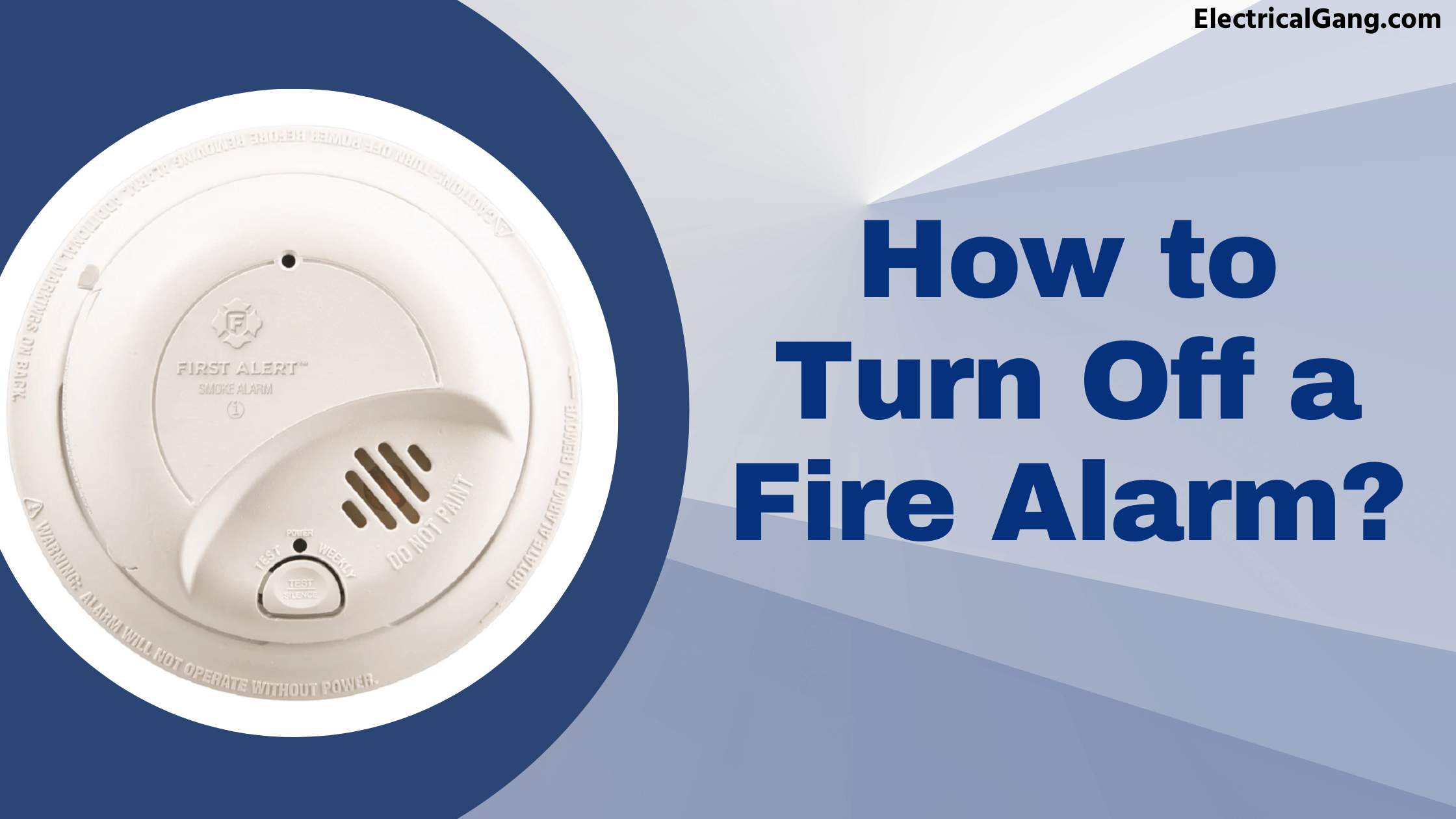
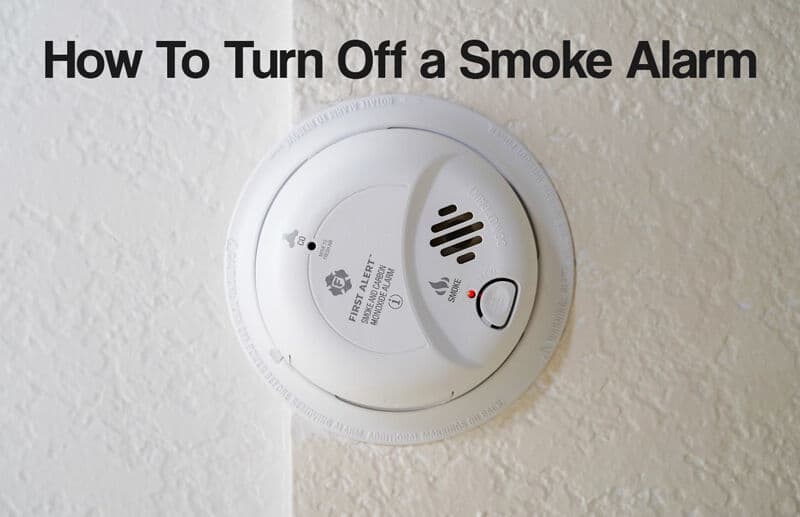
Okay, first things first. Your mission, should you choose to accept it (and you probably should, unless you enjoy permanent hearing damage), is to silence the beast. Most modern smoke detectors have a button. It's usually right there, staring at you, sometimes blinking. It might say "TEST" or "HUSH" or simply be a big, obvious button.
Think of it as hitting the snooze button on the most aggressive alarm clock you've ever encountered. Give it a firm press. If you have interconnected alarms, pressing one might silence them all. If not, you might need to do a little sprint-and-press tour of your home. It's a great cardio workout, really.
Phase 2: Air It Out (Operation Ventilation)
Once the immediate sonic assault has ceased, the next step is to clear the air of whatever phantom smoke or steam caused the kerfuffle. This is where your inner tornado chaser comes out.
Open those windows! Get a cross-breeze going. Turn on the exhaust fan above your stove. If you have portable fans, deploy them like tiny wind warriors. The goal is to evacuate the 'offending' particles faster than guests leaving an awkward family dinner.
Wave a towel around the alarm if you want to feel extra productive, like you're personally shooing away the imaginary smoke monster. Just don't hit the alarm too hard; it’s sensitive enough already.
Phase 3: Identify the Stubborn Culprit (If it keeps going)
So you've pressed the button, aired out the house, but the alarm is still occasionally chirping, or worse, threatening to start its full-blown concert again? Time for detective work.
Is there still a faint wisp of smoke from your ex-toast? Is the bathroom still basically a sauna? Sometimes, the sensor needs a bit more time to truly clear. Patience, young Jedi.
If it's the intermittent chirp, that's often the tell-tale sign of a low battery. This isn't an emergency, but it is an annoyance that will persist until you give in.
Phase 4: The Nuclear Option (Battery Disconnect)
If the alarm is being truly belligerent, refusing to be silenced, or it's giving you the low-battery chirp at 3 AM for the fifth night in a row, it might be time for the nuclear option: removing the battery.
Grab a sturdy step stool or a small ladder – no precarious chair-balancing acts, please! Safety first, even when battling a technological tantrum. Most smoke alarms twist off their mounting bracket. Once it's in your hand, you'll usually find a little compartment for a 9-volt battery or sometimes AA/AAA batteries.
Pop that battery out! Ah, the sweet, sweet sound of silence. It’s like finally getting a toddler to nap.
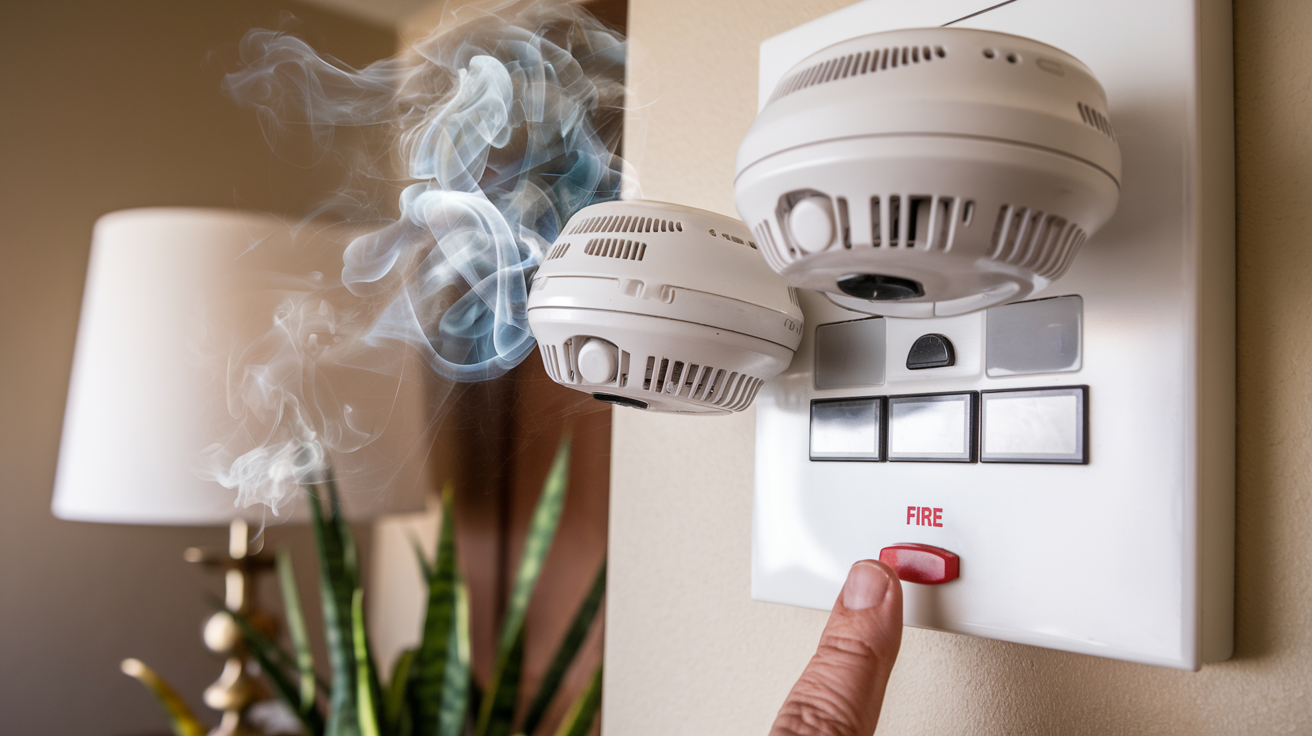
Remember to replace the battery with a fresh one as soon as you can. These things are literally lifesavers, even if they can be a bit dramatic. Mark your calendar to replace them annually, like a birthday for your little guardian angel.
When to Seriously Call for Backup
Now, let's pause for a moment of seriousness. While most fire alarms are just overreacting to your cooking, if there's ever a genuine suspicion of a fire (actual smoke, flames, a burning smell that isn't from your culinary experiments), do not hesitate. Get everyone out of the house immediately and call emergency services (911 or your local equivalent). These tips are for false alarms, not actual emergencies.
You've Got This!
So, the next time your humble abode decides to serenade you with an ear-splitting rendition of "The Alarm Song," remember these steps. You're not battling dragons, just a slightly oversensitive piece of tech doing its job a little too enthusiastically. A quick press, a gust of fresh air, and maybe a battery swap, and you'll be back to your regularly scheduled programming – and perhaps a slightly less ambitious toast setting. You're a hero, even if your only adversary was a burnt popcorn kernel.