
How To Turn Off A Carbon Monoxide Detector

Ah, the sweet symphony of home. Or, sometimes, the not-so-sweet, incredibly insistent chirp that decides to invade your personal space.
You know the one. It's that little gadget, usually white or beige, often hiding in plain sight on a wall or ceiling. It often starts subtly, a quiet 'chirp' that you try to ignore.
It has a job to do, we get it. But sometimes, just sometimes, its enthusiasm for its work becomes a little… overwhelming. Its high-pitched insistence can truly test the patience of even the most serene individual.
Must Read
The Great Silence Quest
So, you’ve decided enough is enough. The persistent noise has crossed the line from subtle reminder to outright demand for attention, a tiny dictator of your auditory landscape.
Your mission, should you choose to accept it, is to bring tranquility back to your domain. Peace, glorious peace, is within your grasp once more.
It’s time to politely, but firmly, ask the noisemaker to take a well-deserved break, a sabbatical from its diligent duties.
Locating the Culprit
First things first, you need to find the source. This might sound easy, but that chirpy little fellow can be surprisingly elusive, a master of acoustic camouflage.
Is it in the hallway, near the linen closet? Perhaps near the kitchen, blending with the refrigerator's hum? Or perhaps high up in that forgotten corner near the attic access, plotting its next disruption?
Follow the sound, like a determined tracker on an important quest. Let your ears guide you unerringly to the small, plastic rectangle that holds the key to your serenity.
The chirp might be faint at first, a whisper of impending irritation. Then it grows, a rhythmic tap-tap-tap against the quiet of your afternoon, slowly but surely driving you to action.
It’s a sonic beacon, leading you directly to the device, leaving no room for doubt or escape from its insistent call.
The Button Maneuver
Once you’ve got your target in sight, look closely. Most of these diligent little boxes have a button, a rather prominent feature on their unassuming exterior.
It’s usually clearly marked, perhaps labeled Test or, more hopefully, Silence. This is your immediate point of interaction.
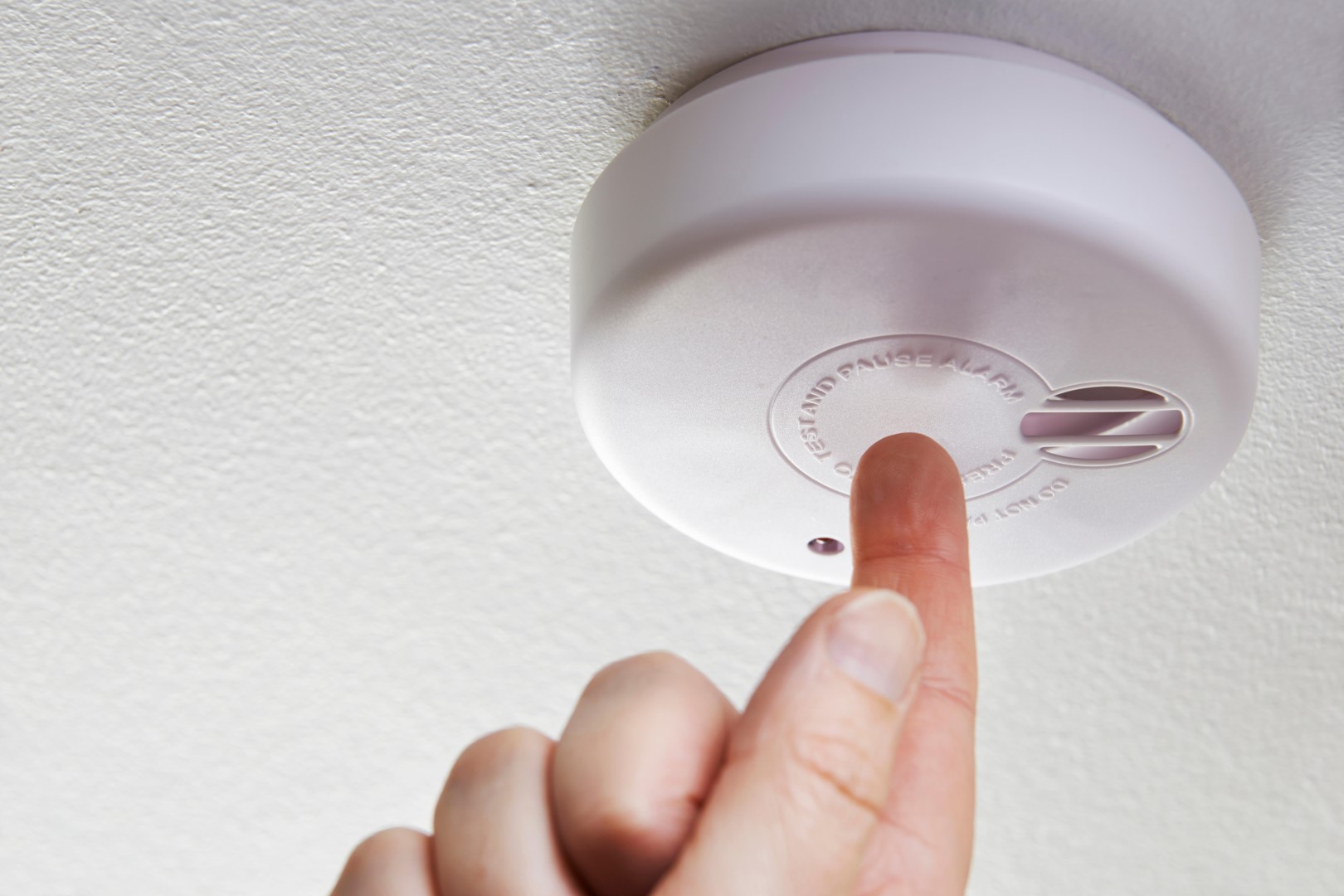
This button is your first line of defense, your primary weapon in the battle for quietude, a direct plea for a moment of respite.
Give it a firm, confident press. Not too hard, you don’t want to damage the plucky little thing; just a good, solid push, conveying your clear intentions.
You might hear a different, more urgent beep – a brief flurry of sound – before hopefully, mercifully, silence descends. It's often a moment of pure, unadulterated hope.
Hold it for a few seconds if necessary. Sometimes it needs a moment to truly understand your request for quiet, a full processing cycle of your gentle command.
Did it work? Is the glorious calm returning, slowly filling the space? Excellent. You’ve achieved victory with the simplest of gestures, a triumph of will over plastic and circuit.
If the button didn't quite do the trick, fear not. We have other strategies up our sleeve, like a seasoned quiet-commander with a repertoire of peaceful tactics.
Sometimes these devices are stubborn, needing a bit more convincing than a gentle tap, a more assertive approach to persuade them to yield.
The Battery Extraction
If the button proved temporary, or worse, completely ineffective, it’s time for the next level of persuasion. This method involves a deeper engagement with the device itself.
Most of these watchful sentinels are powered by a small, rectangular battery. Think of it as their energy core, the very heart of their noisy existence.
You’ll need to open the compartment. This usually involves a small tab or a twist-and-pull motion, a gentle manipulation of its plastic casing.
Look for arrows or little diagrams on the side of the device. They're trying to help, in their own silent way, guiding your hand to its internal workings.

Once you've unlatched the cover, the battery will reveal itself in all its power-providing glory. It often looks like a 9-volt, or sometimes a couple of AAAs, nestled securely.
Carefully, but decisively, grasp the battery. It might be snug, holding on for dear life, as if resisting its inevitable removal.
The small electrical connections might put up a tiny fight, a gentle cling. Just a gentle wiggle and a firm tug will usually free it from its power source.
Pop it out. Hear that? The blissful sound of… nothing. Absolutely nothing. It's truly a moment to savor, a complete and utter triumph of quiet.
Some devices might have a tether, a small wire keeping the battery attached even when removed from its slot, a clever design to prevent loss.
Don't be alarmed by this; simply let it dangle, inert and powerless. The main goal here is to break the connection, severing its energetic lifeline.
The device, now starved of its power source, will cease its chirping. Mission accomplished, with strategic precision and a touch of finesse.
Remember where you put that battery though. You might need it again, someday, for less noisy endeavors. Perhaps in a remote control, or a small toy, giving it a new purpose.
For now, bask in the tranquility. Enjoy the silence that you've so skillfully reclaimed as your own, a personal victory over unwanted noise.
This method is often the most satisfying, a truly definitive way to assert your desire for peace and quiet in your cherished space.
The Wall Socket Disconnect
Now, some of these guardians of the air are not battery-operated at all. Oh no, they are firmly plugged into the wall, drawing power directly from the grid.

These models are often found in newer homes, or where a more permanent solution was desired for their watchful presence, integrating seamlessly into the home's electrical system.
They usually have a little cord, leading directly to a standard electrical outlet, a clear visual cue to their power source.
This approach is arguably the simplest, if the device is within easy reach. No fiddling with tabs or tiny battery doors, just a direct interaction.
Simply locate the plug. It's often white, blending in with the wall, a master of disguise designed to be unobtrusive.
Grasp it firmly, not by the cord itself, which could cause damage, but by the solid plastic part where the prongs meet the wire.
A gentle, steady pull is all it takes. No yanking, no dramatics. Just a smooth, decisive motion, separating it from its power supply.
The small click as it separates from the wall is often the last sound you'll hear from the device for a while, a comforting sound of cessation.
Some might even have a small battery backup, just in case the power goes out. This is a clever design, really, ensuring continuous operation.
If yours still chirps after unplugging, it means you'll need to combine tactics, confronting both power sources. Hello, battery compartment again, for a dual-pronged approach!
It’s like a puzzle, sometimes, figuring out the specific quirks of your particular model of persistent notifier, an unexpected challenge in your day.
But for the most part, a good old-fashioned unplugging does the trick. It instantly cuts off its lifeblood, silencing it with a simple, effective action.

The silence that follows is immediate, absolute, and deeply appreciated, a wave of calm washing over your environment.
You’ve asserted your authority over the inanimate object, bringing it to a quiet, agreeable halt with minimal effort.
The Quiet Aftermath
And there you have it. The persistent chirping is gone, a memory quickly fading into the background. The gentle hum of your refrigerator or the distant traffic noise now sounds like music.
You’ve successfully navigated the peculiar landscape of silencing a device that really, really wants you to know it's there, a true test of your patience and ingenuity.
It’s a victory, however small, against the relentless march of technological vigilance, a personal reclaiming of your quiet space.
Go ahead, take a deep breath. Enjoy the newfound peace and quiet in your home, a tranquil oasis you've painstakingly created.
Perhaps now you can finally hear yourself think, or simply enjoy the comfortable stillness, a luxurious absence of nagging sound.
It's a small rebellion, really, against the tyranny of the tiny, watchful box, a declaration of your preference for peace.
So next time that little gadget decides to make its presence known a little too enthusiastically, you'll be ready. You'll possess the knowledge and confidence to handle the situation.
Armed with your newfound knowledge, you can confidently approach it, knowing exactly how to achieve that sweet, sweet silence that makes a house a home.
It’s all about reclaiming your calm, one silent chirp at a time. Enjoy the quiet, you’ve earned every moment of it!