
How To Turn Off A Beeping Smoke Detector

Alright, let's talk about that moment. You're chilling, maybe enjoying a quiet evening, and then BAM! A high-pitched, insistent BEEP! BEEP! BEEP! starts echoing through your home. Your trusty smoke detector has decided it's time to make itself heard, and often, it's not because your dinner is on fire (though that happens too!). Learning how to quiet this chirping sentinel is less about being a tech wizard and more about gaining a tiny superpower – the power of silence. It’s a wonderfully useful skill because it turns a moment of mild panic into a quick, calm fix, and honestly, who doesn't love feeling in control of their own domestic symphony?
This little life hack offers big benefits for all sorts of folks. For beginners, perhaps those just moving into their first apartment or house, mastering the smoke detector is a fundamental step in home management. It builds confidence and turns a potential crisis into a simple chore. For families, understanding how to quickly silence a false alarm means less stress, quieter mornings, and a valuable lesson in home safety for the kids – knowing when it’s a real emergency versus just a low battery. Even for the more seasoned home managers, knowing these steps ensures your home remains a peaceful sanctuary, not a constant source of chirps and beeps.
Now, not all beeps are created equal. You might hear a quick, regular chirp every 30-60 seconds, which is typically a sign of a low battery. Then there's the more urgent, continuous BEEP-BEEP-BEEP! that indicates actual smoke or a test mode. And sometimes, after about 7-10 years, a detector will start making a distinct, regular chirp to let you know it's reached its end-of-life and needs replacing entirely. You might encounter simple battery-powered units, hardwired ones with a battery backup, or even smart detectors that can tell you why they're alarming via an app. False alarms are common too, often triggered by cooking fumes, steam from a hot shower, or even just dust accumulation.
Must Read
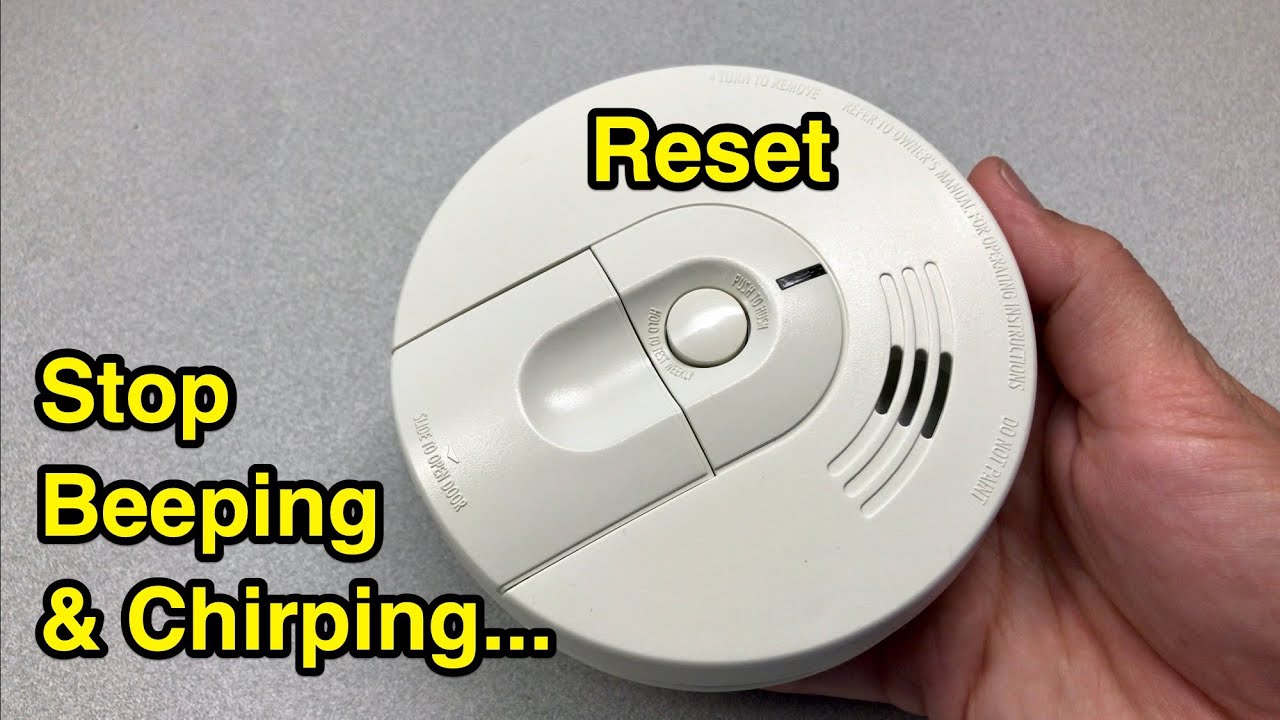
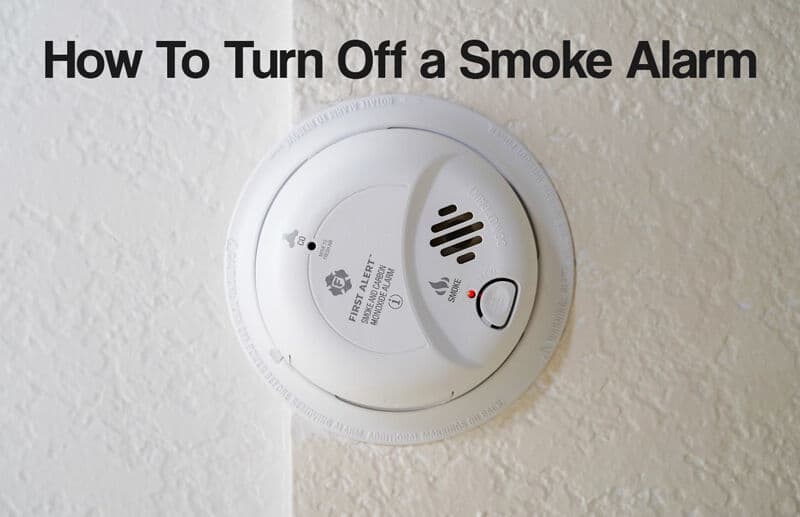
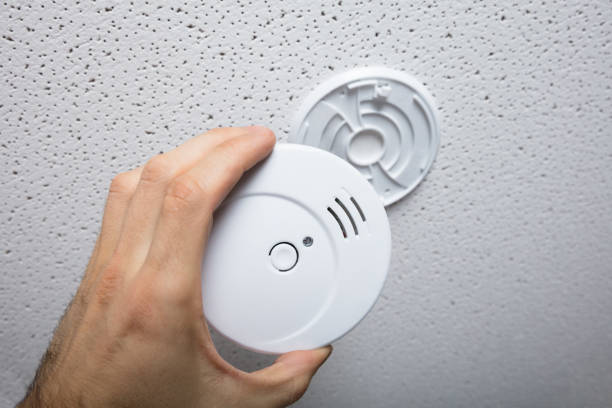
Ready to reclaim your quiet? Here are some simple, practical steps. First, identify the culprit – which unit is actually beeping? They often sound like they're all alarming! Next, look for a silence or hush button on the front; pressing it for a few seconds might pause the alarm temporarily. Crucially, if it's a loud, continuous alarm, always check for actual smoke or fire first! Safety is paramount. If it's the low-battery chirp, it’s time to replace the battery. Most use 9V batteries, but some newer ones might take AA or AAA. If it's hardwired, it still likely has a backup battery that needs changing. If changing the battery doesn't work, try holding down the test button for about 10-15 seconds to reset it. Finally, if your detector is old and constantly chirping even with a new battery, it’s likely signaling its end-of-life – time for a new one! A quick vacuum around the unit can also clear dust that might be causing false alarms.
There you have it! Knowing how to handle a beeping smoke detector isn't just about stopping an annoying sound; it's about confidently managing a common household situation. It brings a wonderful sense of accomplishment, restores peace to your home, and ensures you're always on top of your family's safety. So go forth, embrace the silence, and enjoy your beep-free domestic bliss!
![[6 Easy Ways] - How To Turn Off Hard Wired Smoke Alarm?](https://www.extraalarm.org/wp-content/uploads/2021/11/How-to-Turn-off-Hard-Wired-Smoke-Alarm.jpg)