
How To Turn A Sump Pump On
Hey there, fellow home adventurer! Ever find yourself pondering the hidden heroes of your house? You know, those things working diligently behind the scenes, often out of sight, protecting your sanctuary from the elements? Today, we're going to shine a curious spotlight on one such marvel: the humble but mighty sump pump. And more specifically, how to give it a little nudge – or "turn it on" – when you need to.
Now, before you picture complex machinery or a big red button, let's just chill for a sec. Sump pumps are actually pretty cool, and understanding how they work is like unlocking a secret level of homeownership. Think of it as gaining a superpower: the ability to keep your basement dry!
What Exactly Is This Unsung Hero?
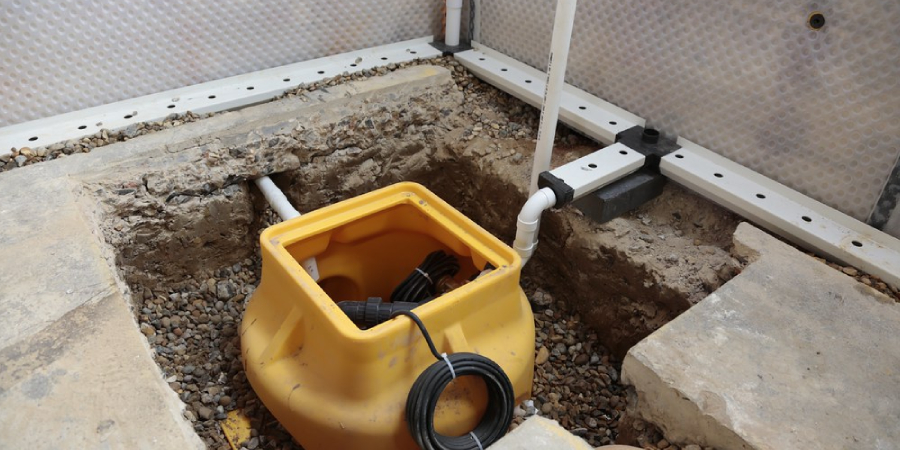
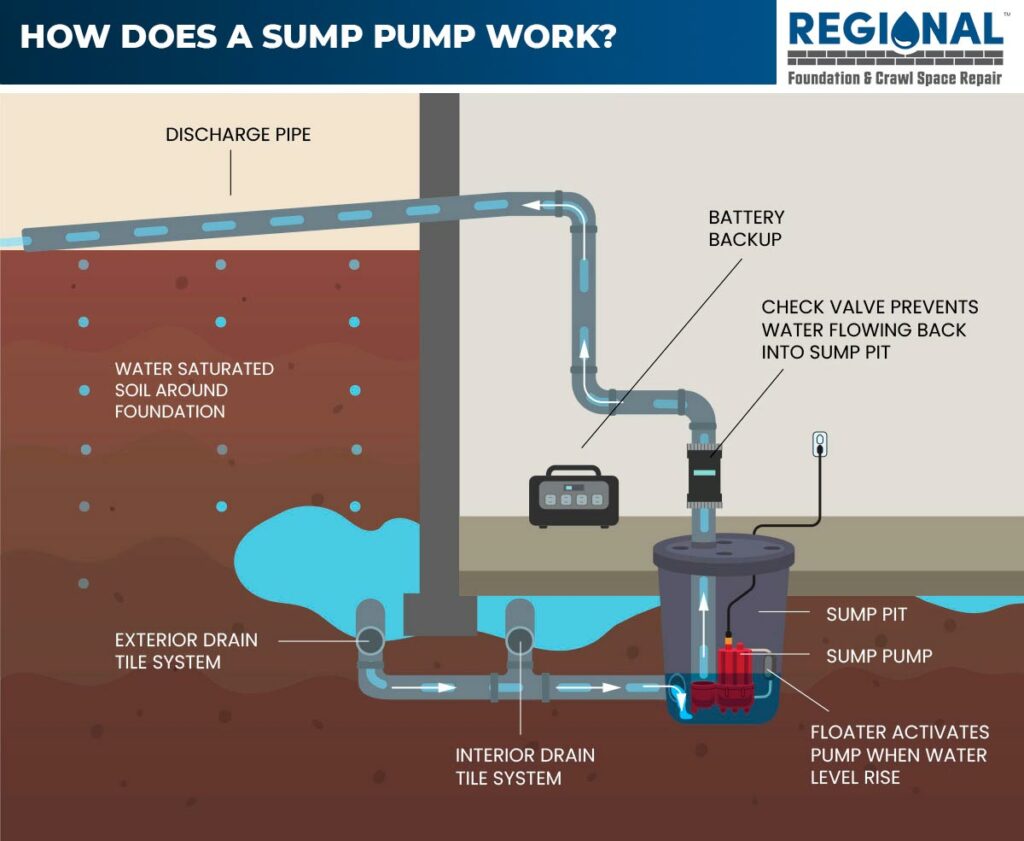
Imagine your basement or crawl space as a cozy little cave. But sometimes, especially after a epic downpour or during a spring thaw, water can get a little too friendly with that cave. That's where your sump pump steps in. It’s essentially a powerful water vacuum that lives in a specially dug hole (called a sump pit) in your basement floor. Its job? To detect rising water, suck it up, and whisk it away from your home, usually through a pipe that leads outside.
Must Read
Think of it as your house's personal bouncer, politely but firmly showing excess water the door. Pretty neat, right?
Why Would You Want to Turn It On?
Most of the time, your sump pump is a creature of habit. It sits there, patiently waiting for its moment to shine, and then automatically springs into action when water levels get too high. That's its default setting, and it’s truly wonderful. But there are a few scenarios where you might want to manually "turn it on" or, more accurately, test its readiness:
-
The "Big Rain" Anticipation: A monster storm is brewing, and you want to be sure your protector is ready for battle.
-
Seasonal Check-ups: Like any good guardian, it deserves a wellness check. Maybe before spring showers or after a long, dry spell.
-
Troubleshooting: Uh oh, water's creeping in, and the pump isn't doing its thing. Time to investigate!
How to Install a Sump Pump
It's not about flipping a conventional "on" switch, but rather understanding its clever design. Ready to become a sump pump whisperer?
Locating Your Silent Guardian
First things first, you need to find your sump pump. It’s usually tucked away in the lowest part of your basement or crawl space, often in a corner or against a wall. Look for a circular or square pit in the floor, usually with a lid. Beneath that lid is where the magic happens!
Take a peek inside (carefully!). You’ll see the pump itself, usually a sturdy, often submersible, unit. You’ll also spot a power cord plugging into an outlet, and a discharge pipe leading away from the pit.
The Heart of the Operation: The Float Switch
This is where the real "on" action is. Your sump pump doesn't have a simple button. Instead, it has a brilliant little device called a float switch. Imagine a mini buoy, like the one in your toilet tank, bobbing around. When water fills the sump pit and lifts this float to a certain level, it triggers the pump to turn on. When the water is pumped out and the float drops, the pump shuts off. It's an ingenious, self-regulating system!
So, to "turn on" your sump pump for a test, you're essentially going to trick that float switch into thinking there's water.

Ready for a Test Drive? Here's How to "Turn It On"
This is the fun part! But remember, we're dealing with electricity and water, so always be mindful and safe.
Step 1: Safety First!
While generally safe, it's always smart to wear gloves. If you're going to reach into the pit, make absolutely sure the pump is unplugged before touching anything inside. For a simple float test, however, you typically don't need to unplug it as you're just manipulating the float.
Step 2: Gently Rouse the Float Switch
With the pump plugged in, carefully reach into the pit and gently lift the float switch. You’ll usually find it attached to the side of the pump or on a vertical rod. It might be a ball, a cylinder, or even a piggyback plug (where the pump's plug goes into the float switch's plug, which then goes into the wall).
As you lift it, slowly, you should hear a satisfying click!
Step 3: Listen and Observe!
If your pump is working correctly, you’ll immediately hear it hum to life! It might make a whirring or gurgling sound. You might even feel a slight vibration. If there's water in the pit, watch it get sucked away through the discharge pipe. It's like watching a tiny, hardworking robot do its job!
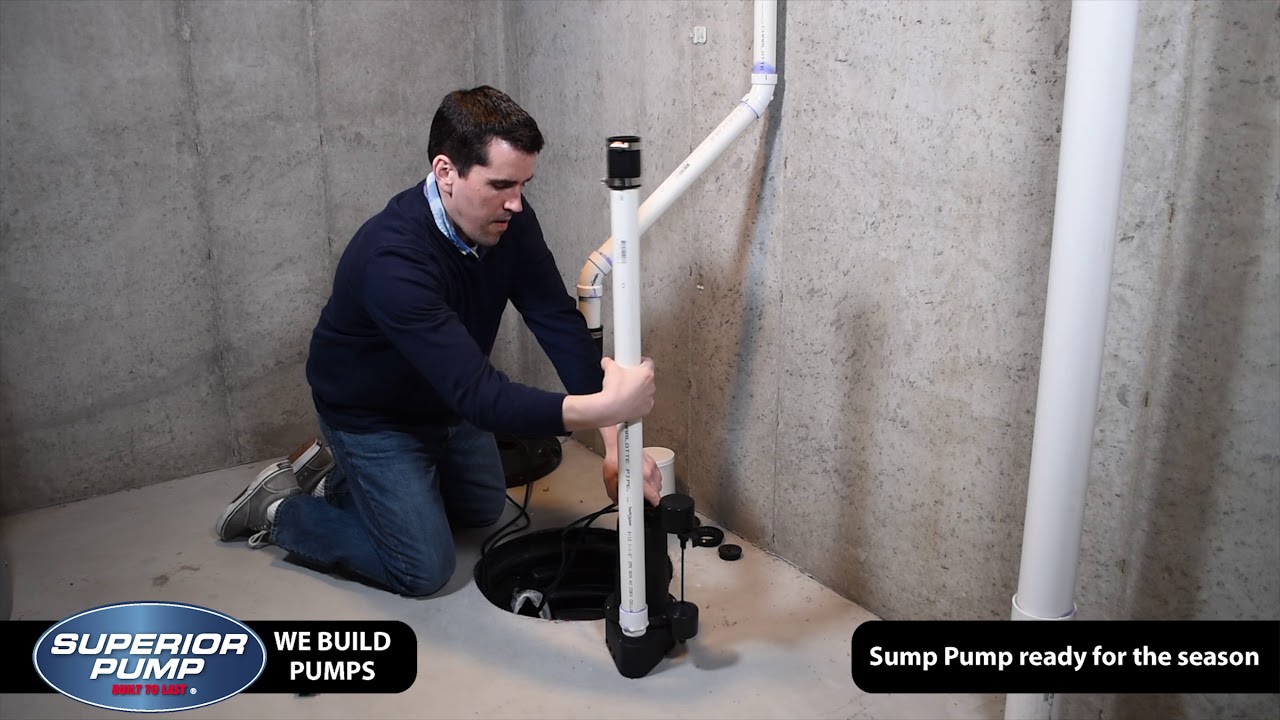
Let the pump run for a few seconds, observing its operation.
Step 4: Let It Rest
After your brief test, gently lower the float switch back down. The pump should click off and fall silent again. If it keeps running, check that the float isn't stuck in the "up" position.
Voila! You've just successfully "turned on" and tested your sump pump! You're practically a water-level maestro!
What If It Doesn't Turn On?
If you lift the float switch and hear nothing but crickets, don't panic! Here are a few quick checks:
-
Is It Plugged In? Sounds silly, but sometimes a plug can come loose.

How To Install a Sump Pump -
Check the Breaker: Head to your electrical panel. The circuit breaker for the sump pump might have tripped. Flip it off, then back on.
-
Is the Float Stuck? Sometimes debris can jam the float. Unplug the pump first if you need to clear anything around the float.
If these simple checks don't work, it might be time to call in a professional. But knowing these basics means you're already ahead of the game!
The Takeaway: Peace of Mind in a Pit
Understanding how to test your sump pump isn't just about knowing a home maintenance trick; it's about gaining peace of mind. It’s about being proactive and ensuring that when the heavens open, your home's silent guardian is ready to protect your basement, your belongings, and your sanity.
So, next time it rains, give a little nod to that hardworking machine in your basement. You now know its secrets, and you're officially a step closer to being a true home hero. How cool is that?