
How To Treat Bad Air Quality Symptoms At Home
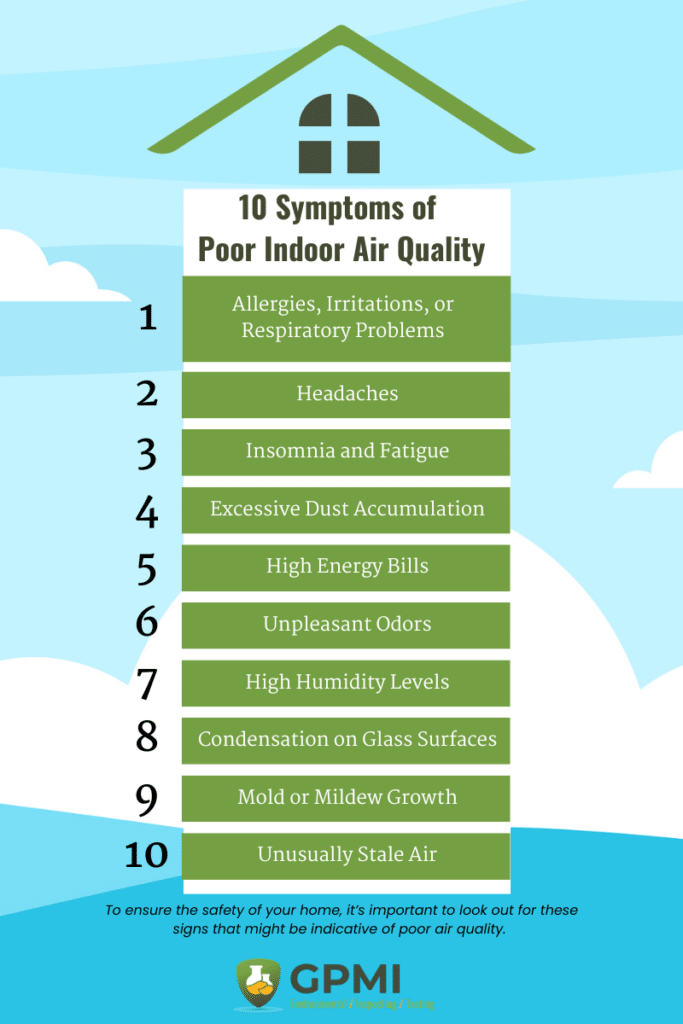
Let's face it, sometimes the air outside isn't exactly a breath of fresh mountain air. Whether it's seasonal allergies kicking into high gear, wildfire smoke drifting in, or just general city smog, bad air quality can leave you feeling stuffy, congested, and generally blah. But before you resign yourself to a day of discomfort, remember you can take action! Turning your home into a haven from polluted air is easier than you think. Think of it as creating your own personal air quality oasis – a DIY project with tangible benefits!
So, what can you do to combat those pesky symptoms right at home? Here's a simple guide to help you breathe a little easier:
Hydration is Key: This might seem obvious, but it's crucial. Staying hydrated thins mucus, making it easier to cough up and clear your airways. Water, herbal teas (like ginger or chamomile), and even clear broths are your allies. Avoid sugary drinks, as they can sometimes exacerbate inflammation.
Must Read
Steam Power to the Rescue: Remember those old-fashioned remedies your grandma swore by? They work! Steam inhalation is a fantastic way to loosen congestion. You can take a hot shower, breathe in steam from a bowl of hot water (carefully!), or use a humidifier. Add a few drops of eucalyptus or peppermint oil for an extra boost – just be sure you're not allergic!
Nasal Irrigation: Say hello to your new best friend: the neti pot (or a saline nasal spray). Rinsing your nasal passages with a saline solution helps to clear out irritants, allergens, and mucus. It might feel a little strange at first, but it’s incredibly effective. Make sure to use distilled or previously boiled water to avoid any unwanted infections.
Air Purifiers: If you're serious about improving your indoor air quality, an air purifier is a worthwhile investment. Look for one with a HEPA filter, which is designed to trap even the tiniest particles. Place it in the room where you spend the most time, like your bedroom or living room.
Keep it Clean: Dust, pollen, and other allergens can accumulate indoors, making air quality even worse. Regular cleaning, including vacuuming (with a HEPA filter vacuum), dusting, and washing bedding, is essential. Consider using natural cleaning products to avoid introducing harsh chemicals into the air.
Rest and Relaxation: Finally, don't underestimate the power of rest. When your body is fighting off irritants, it needs time to recover. Get plenty of sleep, avoid strenuous activities, and try to minimize stress. A relaxing environment can do wonders for your overall well-being.
Turning your home into a sanctuary from bad air quality isn't just about symptom relief; it's about taking control of your health and well-being. Experiment with these tips and find what works best for you. Remember, even small changes can make a big difference in how you feel. And who doesn't enjoy creating a cozy, healthy haven for themselves and their loved ones?

