
How To Tell Where Your Septic Tank Is
Hey there, friend! Grab a cuppa, pull up a chair. We need to talk about something a little… unglamorous. Something lurking beneath your beautiful lawn. Yes, I’m talking about your septic tank. Dun dun DUUUN!
I know, I know. It’s not exactly a hot topic for Sunday brunch, but trust me, knowing where this bad boy is located can save you a whole heap of headaches (and maybe some actual money!) down the line. Ever woken up to a gurgling toilet or a suspicious smell? That’s when you suddenly realize, "Oh! I need to find that thing!"
So, you wanna know how to play detective and uncover its secret hideout? Excellent! Let's dive in, no hazmat suit required (yet).
Must Read
Start with the Easy Peasy Stuff
First things first, let’s rule out the obvious. Or, what should be obvious, anyway. Did you just move in? Ask the previous owners! Seriously, a quick call or text can save you hours of head-scratching. If they’re long gone or have gone off-grid, don't fret. We have other tricks up our sleeve.
Next, check your house plans or blueprints. If you have them tucked away from when the house was built (maybe in that dusty box labeled "Important Stuff I'll Never Look At"), chances are good the septic tank location is marked. Same goes for any permit applications from when it was installed. These are your gold mines, folks!
No blueprints? No problem! Give your local county health department or building department a call. They often keep records of septic system installations. Sometimes, it’s just a matter of asking nicely. They might even have a little map drawn for you. Bless their bureaucratic hearts!
Follow the Green Brick Road (or Just a Green Spot)
Okay, now for the fun, observational part. Put on your Sherlock Holmes hat and let's go outside. The septic tank, bless its hard-working heart, is constantly digesting… stuff. This process can make the soil above it particularly nutrient-rich. What does nutrient-rich soil mean?
You guessed it: greener, lusher grass! Seriously, look for a patch of grass that seems to be doing particularly well, almost annoyingly so, compared to the rest of your lawn. Especially during dry spells, this spot might stand out like a beacon of emerald glory. It’s like a little advertisement saying, "Hey! Great things are happening under here!"

Also, look for any areas where the ground might be slightly depressed or sunken. Sometimes, over years, the soil above the tank or drain field can settle a bit, creating a subtle dip. It won't be a crater, but a slight change in elevation could be a clue.
And speaking of the drain field (that's where the treated wastewater goes after the tank), you typically won't see large trees or shrubs planted directly over it. Why? Because tree roots are absolute monsters and will invade pipes looking for moisture, causing a world of expensive hurt. So, if there's a mysteriously clear area in your yard, that's a good hint.

The Main Pipe Mystery
This is where we get a little more hands-on. Your house's main drain pipe, the one that all your glorious wastewater goes down, exits your house somewhere. Usually, it's pretty low on one side of the foundation. Go into your basement or crawl space (if you have one) and identify where that big pipe leaves the building. It’ll likely be a 4-inch PVC or cast iron pipe.
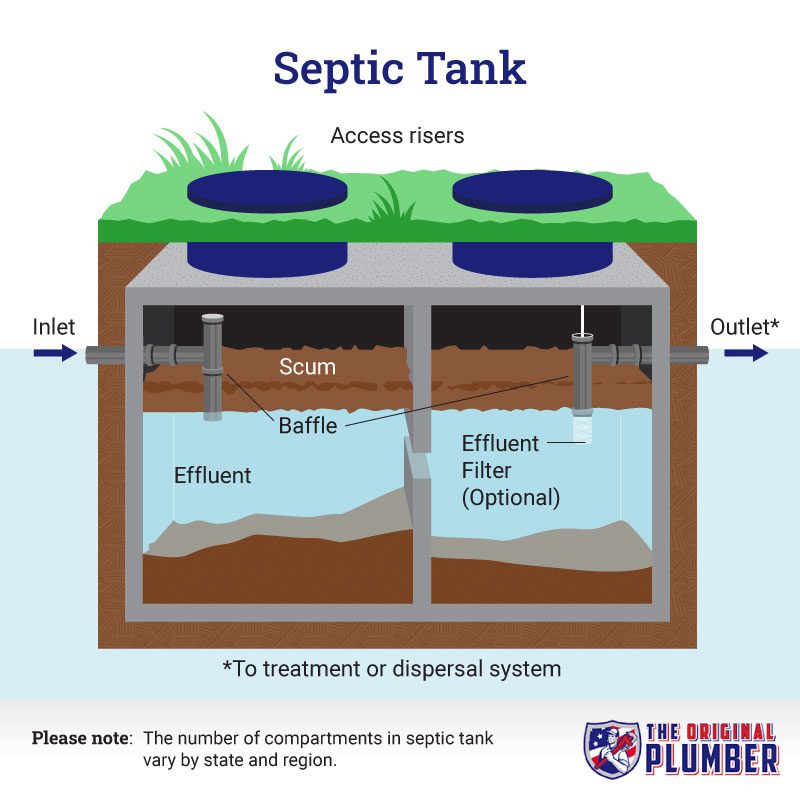
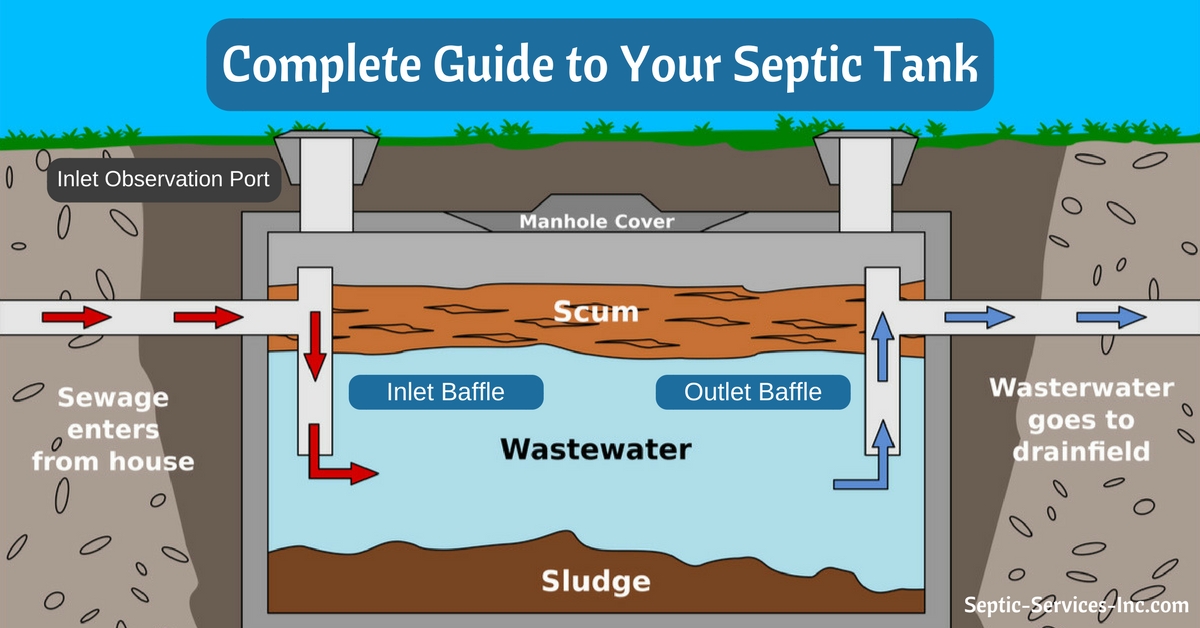
Once you’ve found its exit point, step outside and try to imagine its path. Septic tanks are typically located within 10 to 25 feet of the house, directly in line with that main pipe. So, visualize a straight line from where it leaves your house. Walk that line! Keep an eye out for anything that looks like a manhole cover, a concrete lid, or even a buried utility box. These could be risers, which are extensions that bring the tank’s access lids closer to the surface. Some clever folks even have fancy green lids that blend into the grass. Sneaky!
And hey, if you happen to catch a whiff of something… earthy, shall we say, in a particular spot, that's another big indicator. But let's hope it doesn't come to that!

When in Doubt, Call a Pro
Okay, so you’ve tried all the detective work, you’ve squinted at your lawn, you’ve imagined pipe paths, and still, nothing. Don't feel bad! Sometimes these things are buried deep, deep down, like pirate treasure but significantly less valuable (unless you consider a functioning wastewater system valuable, which, spoiler alert, it totally is).
This is where calling a professional septic company comes in. They have fancy tools, like electronic locators, that can find tanks even when they're playing hide-and-seek really well. They can often locate it, dig it up, and even pump it for you all in one go. Think of it as outsourcing your treasure hunt to someone with a map and a metal detector.
Finding your septic tank doesn't have to be a dreadful chore. With a little observation and some friendly prodding (pun intended!), you can pinpoint its location and be ready for any future maintenance needs. So go forth, intrepid explorer, and may your grass be green and your septic woes be few!