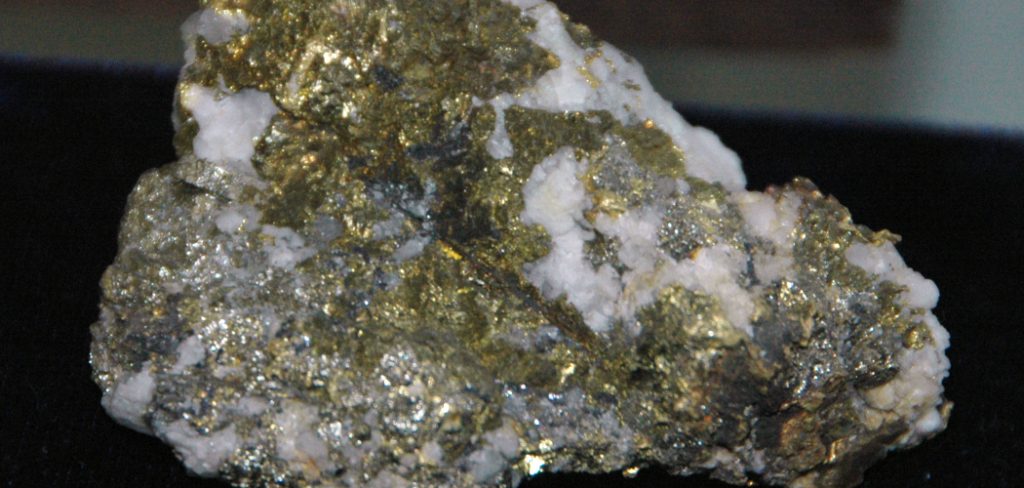
How To Tell Iron Pyrite From Gold

Let's face it, the allure of gold is timeless. Whether it's the dream of striking it rich, the satisfaction of identifying a valuable mineral, or simply the joy of a good treasure hunt, distinguishing real gold from its deceptive doppelganger, iron pyrite (commonly known as "fool's gold"), is a skill that can bring a bit of sparkle to your life. After all, who wouldn't want to know if that glint in the riverbed is the real deal?
Knowing how to tell these two minerals apart isn't just about avoiding disappointment; it has practical benefits too. For example, amateur prospectors can save valuable time and effort by focusing on promising finds and discarding pyrite. Landscapers might identify mineral deposits in soil. Even educators can use the distinction to teach basic mineralogy and critical thinking skills. Think of it as a fun, real-world application of science that can prevent you from investing in something that looks valuable but is actually worthless.
The ability to differentiate gold from pyrite comes in handy in various scenarios. Imagine you're exploring a creek bed with your kids. Being able to confidently identify a piece of pyrite and explain why it's not gold can be a fun and educational moment. Perhaps you're buying jewelry or antique items and want to ensure you're getting what you pay for. Or maybe you simply enjoy rockhounding and want to properly classify your finds.
Must Read
So, how do you become a pyrite-prospecting pro? Here are some practical tips to help you tell the real gold from the fool's kind:
1. The Streak Test: This is your first line of defense. Rub the mineral across a white ceramic tile (the unglazed back of a bathroom tile works perfectly). Gold will leave a bright yellow streak, while pyrite will leave a greenish-black streak. Remember, color is key!

2. Hardness Test: Gold is a relatively soft metal. You should be able to scratch it (albeit lightly) with a steel knife. Pyrite, on the other hand, is much harder and will resist scratching by steel. Be careful though, you don't want to damage anything truly valuable!
3. Shape and Structure: Gold often appears as nuggets, flakes, or grains, rarely forming distinct crystals. Pyrite commonly forms cubic crystals or granular masses. Keep an eye out for sharp, angular shapes – a telltale sign of pyrite.

4. The Break Test (Malleability): This test should be done with extreme caution, especially if you believe you might have found gold! Gold is highly malleable, meaning it can be flattened or hammered without breaking. Pyrite is brittle and will shatter if struck. Try using a hammer to gently tap the edge of the mineral. If it flakes and flattens (very carefully!), it's more likely to be gold. If it crumbles, it's probably pyrite.
5. Luster: Both gold and pyrite are metallic and shiny. However, gold has a bright, lustrous, warm yellow sheen. Pyrite often has a brassy, paler, or even slightly greenish-yellow metallic luster. Think "warm" versus "cold" when comparing the shine.

6. Don't Be Fooled by Location: Just because you find something in a place where gold has been found before doesn't automatically make it gold. Always use the tests above to confirm your findings.
By mastering these techniques, you'll significantly increase your chances of spotting genuine gold and avoid the disappointment of mistaking pyrite for the real thing. Happy hunting!