How To Tell If There Is Carbon Monoxide
We all love our homes, don't we? That feeling of stepping through the door after a long day, kicking off your shoes, and just being. It's our sanctuary, our comfort zone, the place where we let our guard down. And part of that bliss comes from the implicit trust we place in our living spaces, the quiet confidence that everything is, well, safe. That's where understanding something as crucial as carbon monoxide comes in. It’s not about "enjoying" a hidden gas, of course, but about embracing the peace of mind that comes from knowing you've got the upper hand against an invisible threat. It's about safeguarding that precious feeling of security for you and your loved ones.
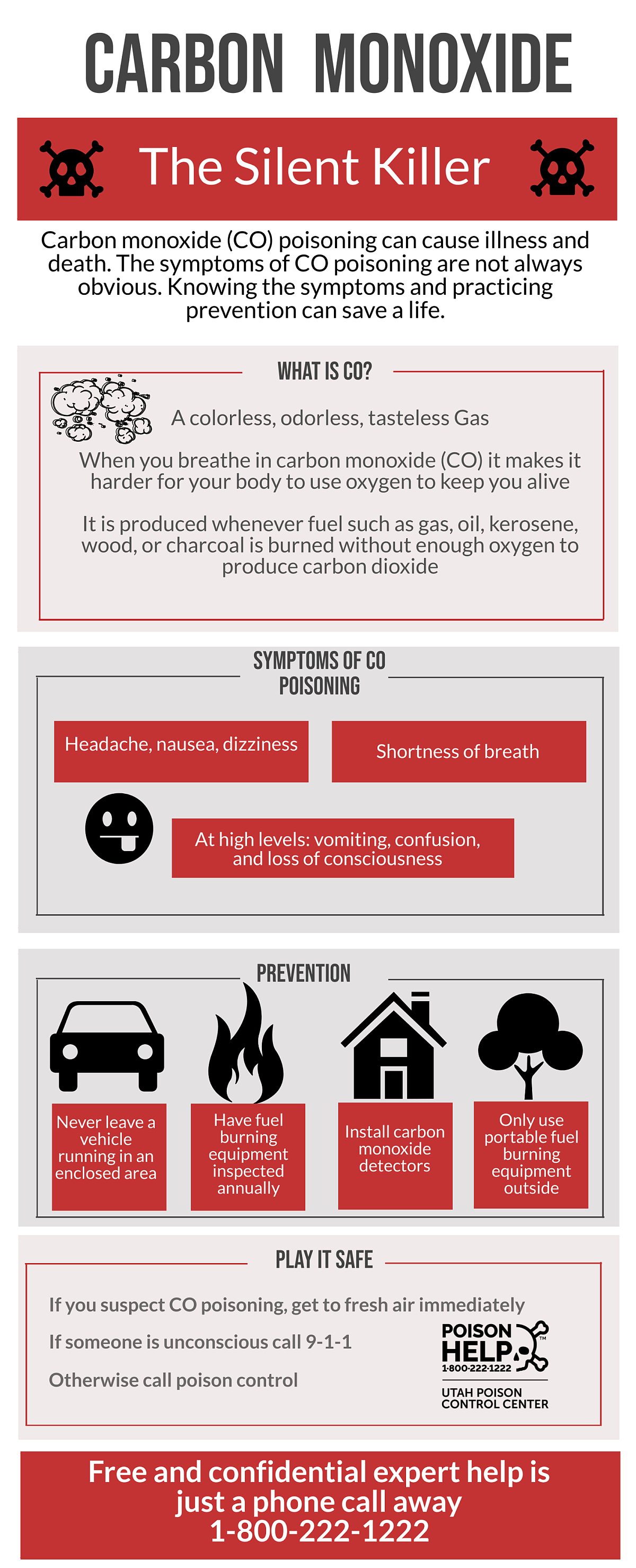
The primary benefit of being savvy about carbon monoxide (CO) isn't just about avoiding danger; it's about empowering yourself with knowledge to ensure your everyday life hums along without a hitch. This silent, odorless, and colorless gas, often dubbed "the silent killer," is a byproduct of incomplete combustion from common household appliances like furnaces, water heaters, gas stoves, and even fireplaces. When these appliances aren't properly maintained or vented, CO can build up to dangerous levels. The purpose of understanding how to detect it, therefore, is nothing short of life-saving. It allows you to transform potential peril into proactive protection, letting you sleep soundly knowing your home is truly a safe haven.
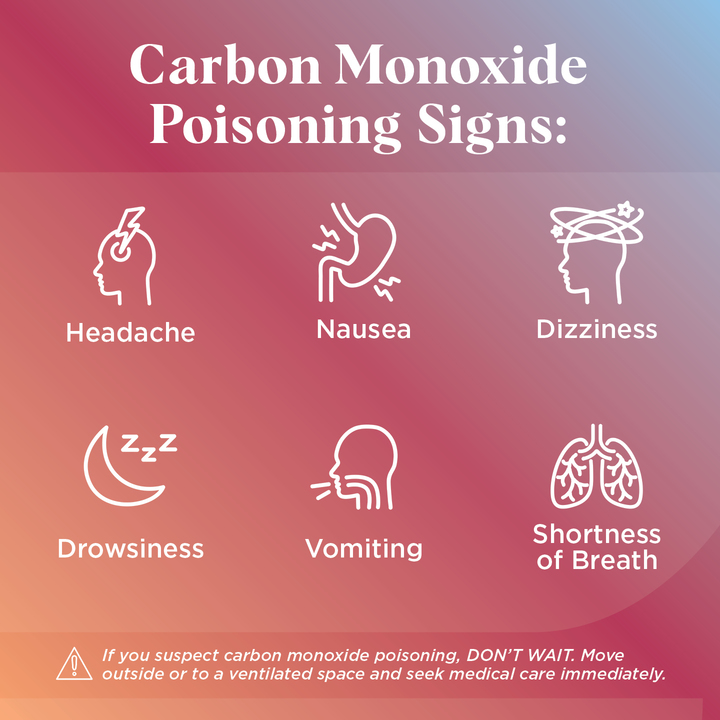
So, how does one apply this vital knowledge? In practice, it starts with recognizing the sources and the signs. Common examples of CO exposure typically occur in homes, cabins, RVs, and even boats where fuel-burning devices are used without adequate ventilation. Think about firing up that generator during a power outage, running a car to warm up in an attached garage, or even a cozy fireplace that isn't drawing properly. The insidious part is that early symptoms often mimic the flu: headaches, dizziness, nausea, and general weakness. The key difference? CO poisoning doesn't come with a fever! It’s a subtle deception that makes it all the more dangerous.
Must Read
Now, for the practical tips on how to "enjoy" the maximum level of safety and peace of mind when it comes to CO. First and foremost, invest in carbon monoxide detectors. These aren't just gadgets; they are your home's unseen guardian angels. Install them strategically: one on each level of your home, especially near sleeping areas. Test them monthly and replace batteries annually, just like smoke detectors. Most units have a lifespan of 5-7 years, so know when yours are due for retirement. Secondly, ensure all fuel-burning appliances are professionally inspected annually. This includes your furnace, water heater, and gas stove. Regular maintenance drastically reduces the risk of CO leaks. Thirdly, be mindful of ventilation. Never run a car in an attached garage, even with the door open, and ensure chimneys and vents for all appliances are clear and unobstructed.
Finally, know what to do if a detector alarms or if you suspect CO poisoning. The immediate action is always the same: get everyone, including pets, into fresh air immediately. Then, call your local emergency services. Being prepared means not just preventing, but also knowing how to react swiftly and effectively. By taking these simple, yet profoundly important steps, you're not just preventing a potential disaster; you're actively cultivating a safer, more serene home environment, allowing you to truly relax and enjoy the comfort of your sanctuary.