
How To Tell If Septic Needs To Be Pumped
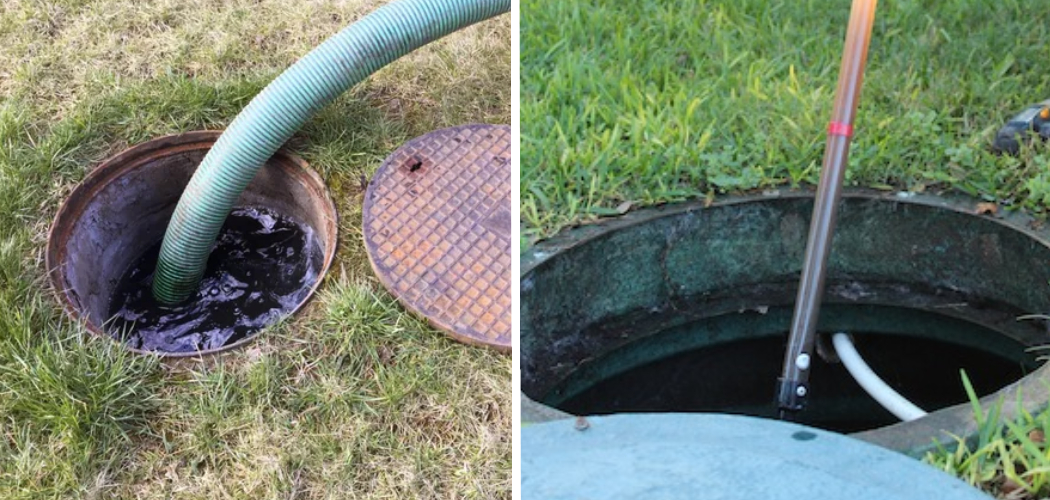
Alright, let's talk about something that probably isn't on your Top 10 list of favorite household topics, right up there with cleaning the oven or untangling holiday lights. We're talking about your septic system. Yeah, I know, sexy. But trust me, ignoring this humble underground hero is like ignoring a toddler who’s been suspiciously quiet for too long – you know something’s brewing, and it’s probably not going to be good.
Think of your septic tank as the unsung workhorse of your wastewater system. It takes all the… stuff… that goes down your drains and into your toilets, separates the solids from the liquids, and then sends the treated liquid out into your drainfield. It’s a marvel of simple engineering, really. But like any good workhorse, it needs a break and a clean-out now and then. Otherwise, you’re looking at a potential home horror story that involves things no one wants to see, smell, or step in.
The Subtle Nudges: Your Septic’s Way of Sending an SOS
Before things get truly apocalyptic, your septic system usually tries to give you a few subtle (and not-so-subtle) hints that it’s feeling a little full. Think of it as a grumpy old man muttering under his breath before he starts full-on shouting.
Must Read
1. Slow Drains and Gurgling Toilets: The Molasses Effect
This is often the first, most common sign. Are your showers taking an eternity to drain, leaving you standing in ankle-deep water like you're performing a sad, one-person synchronized swimming routine? Does flushing the toilet feel less like a swift goodbye and more like a reluctant, slo-mo farewell? Does it gurgle afterwards, as if it's having a private, philosophical debate with itself?
If your drains are moving slower than a sloth on a Monday morning, or your toilet sounds like a hungry beast trapped in the pipes, that’s a big, fat red flag. It means the liquids aren't able to move out of the tank efficiently, because the solids are taking up too much space. It's like trying to drink a thick milkshake through a tiny straw – eventually, nothing's moving.

2. Unpleasant Odors: The Nose Knows (and Regrets It)
Oh, this one’s a doozy. There’s a distinct smell that accompanies an overfull septic tank, and it’s not exactly freshly baked cookies. If you start catching whiffs of sewer gas either indoors (especially near drains or toilets) or outdoors (around your septic tank or drainfield), your nose is sending you a very clear, very stinky message.
It’s that distinct, rotten-egg-meets-swampy-mud kind of smell. If your backyard suddenly smells like a forgotten gym bag full of ancient socks, or your bathroom inexplicably starts smelling like a slightly off-kilter outhouse, it's time to pay attention. Your septic tank is literally airing its grievances.

3. Lush Green Grass or Soggy Spots: The Mysterious Lawn Oasis
Now, this might sound counter-intuitive. Who doesn’t want a beautiful, lush green lawn, right? But if you notice a particular patch of grass over your drainfield that’s suddenly greener, thicker, and more vibrant than the rest of your yard – like it’s been hit with a magical growth serum – that’s actually a sign of trouble. It means the tank is overflowing, and it's fertilizing your lawn with… well, let's just say nutrient-rich wastewater.
Even worse? If you see actual pooling water or soggy spots in your yard, especially after it hasn't rained in a while, it's a definite alarm bell. Your drainfield is completely saturated and can't absorb any more liquid. You might as well put up a "wet floor" sign, because your yard is turning into a mini-swamp. And trust me, it’s not the kind of swamp you want to dip your toes in.
![7 Signs You Need Septic Pumping Right Away [infographic] | Averett](https://averettseptic.com/wp-content/uploads/2018/08/Averett-infographic_2.jpg)
4. The Age Factor: When Was Its Last Spa Day?
Sometimes, there are no dramatic signs. Sometimes, it's just a matter of time. Most septic tanks need to be pumped every 3-5 years, depending on the size of your tank, the number of people in your household, and your water usage habits. Think of it like getting the oil changed in your car – you do it preventatively to avoid a much bigger, more expensive problem down the road.
If you can't remember the last time your septic tank had its own personal spa day (i.e., was pumped), or if you’ve recently moved into a new home and don’t have records, it's probably a good idea to schedule an inspection. Better safe than sorry, and certainly better than having an impromptu outdoor "fountain" in your backyard.
So, What's the Next Step?
If you've nodded along to any of these signs, don't panic. But also, don't try to DIY it unless you're a trained professional with a very strong stomach and specialized equipment. This isn't a job for a plunger and a can-do attitude.
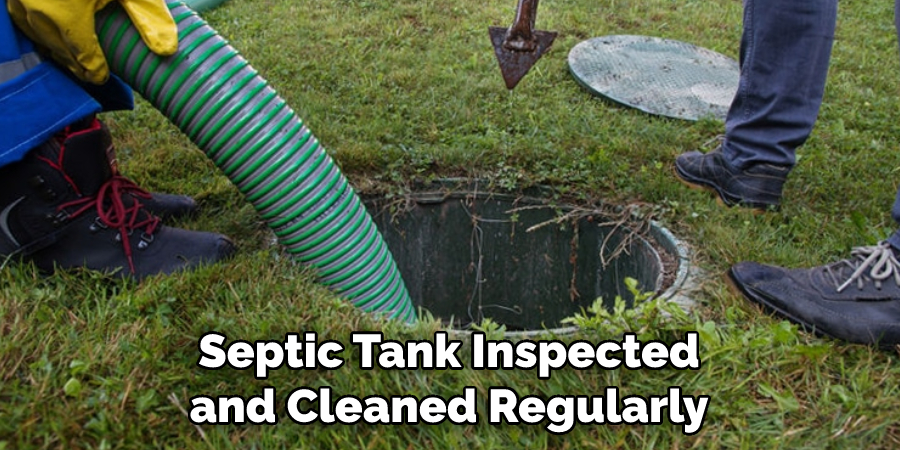
Your best bet is to call a qualified septic professional. They'll assess the situation, locate your tank (if you don’t know where it is), and get it pumped out properly. It's a relatively routine maintenance task that can save you a world of literal mess, stress, and expense down the line.
Because let's face it, while talking about septic tanks isn't glamorous, having one that works smoothly and silently is definitely something to smile about. And avoiding a sewage backup? Now that’s something to truly cheer for!