How To Tell If Security Cameras Are On
Ever felt that subtle tingle of curiosity when you spot a security camera? Is it on? Is it just a prop? This isn't about secret agents or anything illicit; it's about turning everyday observation into a fascinating, lighthearted detective game! From the bustling city street to the quiet corners of your local café, security cameras are a ubiquitous part of our modern landscape. Learning to discern if they're actively monitoring isn't about paranoia, but about sharpening your powers of observation, fostering a keen awareness of your surroundings, and even sparking a little creative inspiration.
For the artist, this practice can be profoundly beneficial. Imagine studying the subtle glow of infrared lights as a unique light source, or understanding how camera placement dictates perspective in urban photography. It encourages you to notice architectural details, patterns of human movement, and the often-overlooked technological elements that shape our visual world. For hobbyists and casual learners, it’s a delightful mental puzzle – a chance to truly see the technology that silently operates around us. It transforms a mundane stroll into an engaging quest for clues, nurturing critical thinking and attention to detail without even realizing it.
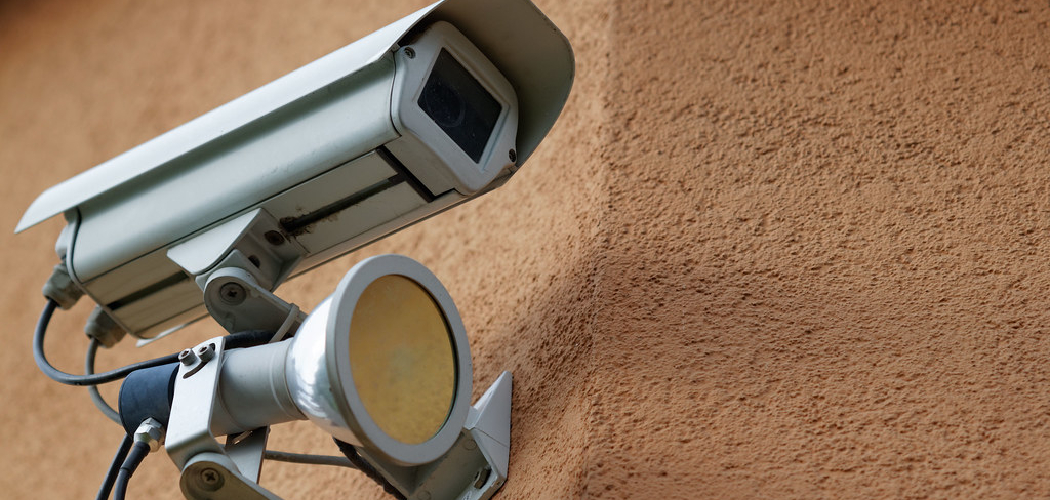
The world of security cameras offers a surprising variety of styles and subjects for your observational pursuits. You'll encounter sleek dome cameras, discreetly blending into ceilings; robust bullet cameras, boldly mounted on exteriors; and dynamic Pan-Tilt-Zoom (PTZ) cameras, which can scan wide areas. Each type presents different visual cues. You might observe them in bustling shopping centers, quiet park entrances, or even on residential properties. The variation in their placement, age, and type all contribute to the fascinating puzzle of discerning their operational status.
Must Read
Ready to try your hand at this fun form of everyday detective work? Here are a few tips for "reading" a camera, always remembering to maintain a respectful distance and observe from public areas:
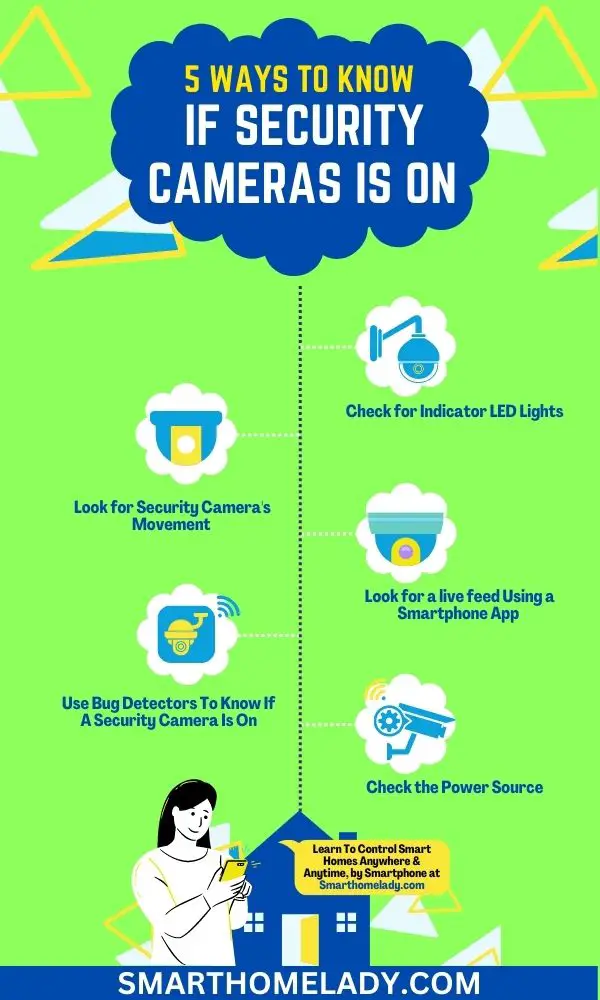
- Look for the Infrared Glow: This is often the most reliable sign. In low light, many active cameras use infrared (IR) LEDs for night vision. These often manifest as a subtle, reddish, or purplish glow around the lens. It's like a tiny, watchful eye peeking back!
- Listen for Subtle Movement: For PTZ cameras, which pan and tilt, you might notice a slight, almost imperceptible shift in their angle or hear a faint whirring sound as they adjust. It's a whisper of activity in the air.
- Observe the Lens Reflection: Just like an eye, an active camera lens can sometimes catch the light, giving off a small, bright reflection. It's not always present, but when it is, it's a good indicator.
- Check for Wiring and Power: While not foolproof (wireless cameras exist!), cameras with obvious power cables or network connections are generally more likely to be active than a solitary, unconnected unit. A camera completely devoid of wires might just be a dummy.
- Consider its Condition: While not a definitive sign, a camera covered in cobwebs, dust, or showing signs of severe neglect might suggest it's been disused or offline for a while. However, don't rule out a dusty but active unit!
Ultimately, learning to tell if security cameras are on is incredibly enjoyable because it transforms your world into a playground of subtle clues and fascinating insights. It sharpens your attention to detail, makes you more aware of the intricate dance between technology and urban life, and adds a playful layer of mystery to your daily routine. It’s a chance to feel more connected to your surroundings, understanding the quiet hum of technology that shapes our experiences, all while having a little fun with your newfound observational prowess!