How To Tell If Carbon Monoxide In House

There's a quiet confidence in knowing your home is safe. It's about being prepared and enjoying the peace of mind that comes from a secure living space. Embracing a proactive spirit keeps your home safe from unseen dangers, and few are as insidious or important to understand as carbon monoxide.
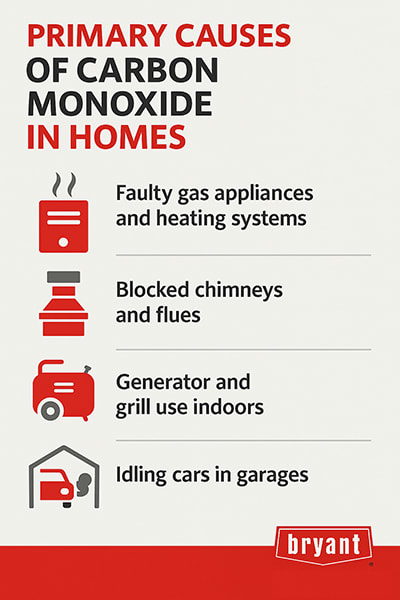
Often dubbed the "silent killer," carbon monoxide (CO) is a gas you cannot see, smell, or taste. It’s produced when fuels burn incompletely, and common culprits in our homes include furnaces, water heaters, gas stoves, clothes dryers, fireplaces, and even generators or vehicles left running in an attached garage. The crucial benefit of knowing how to detect CO isn't just about warding off a potential disaster; it’s about safeguarding your family's health, preventing serious long-term neurological damage, and ensuring your sanctuary remains truly safe. It serves the profound purpose of protecting life, transforming potential tragedy into a preventable concern.
So, how do you catch this invisible intruder? The most straightforward and essential tool in your arsenal is a carbon monoxide detector. Think of it as your home's unseen guardian, constantly sniffing the air for danger. These devices are readily available, ranging from battery-operated to hardwired models, and they're designed to alert you with a loud alarm if CO levels become unsafe. Beyond the technological watchdogs, it's also vital to be aware of the physical symptoms. Because CO replaces oxygen in your blood, it can cause flu-like symptoms such as headaches, dizziness, nausea, fatigue, and shortness of breath. A key tell-tale sign is if these symptoms improve when you leave the house and worsen when you return, or if multiple family members and pets experience them simultaneously.
Must Read
To truly "enjoy" the maximum benefit of a CO-safe home, here are some practical tips:

First and foremost, install CO detectors on every level of your home, especially near sleeping areas – it's a necessity. Second, test them regularly – ideally monthly – by pressing the test button. Replace batteries annually, or the unit every 5-7 years as recommended. Third, have fuel-burning appliances (furnaces, water heaters, fireplaces) inspected annually by a qualified technician to ensure proper venting.
Furthermore, never operate a grill, generator, or gasoline engine inside your home or an attached garage, even with doors open. Ensure proper ventilation with gas appliances. If you suspect CO poisoning or your alarm sounds, evacuate everyone immediately and call 911 or your local fire department from a safe location. Don't re-enter until emergency personnel deem it safe. Being informed and proactive about carbon monoxide detection isn't a chore; it's fundamental to building a happy, healthy, and secure home life.