
How To Stop Dogs From Chewing Paws
Let's be honest, watching your dog gnaw on their paws can be unsettling. Is it a nervous habit? Allergies? Or just a bizarre canine quirk? Before you resign yourself to a lifetime of paw-dicures (pun intended!), let's explore some effective ways to curb this behavior. Think of this as your guide to achieving paw-fection!
The Paw-sible Culprits: Decoding the Chew
First, we need to play detective. Why is your furry friend so obsessed with their feet? Here are some common reasons:
- Allergies: Just like us, dogs can suffer from allergies, both environmental (pollen, dust mites) and food-related. The itchy paws are a tell-tale sign. Think of it as your dog's version of spring hay fever.
- Dry Skin: Winter can be brutal! Dry, cracked paws are incredibly uncomfortable. Imagine walking barefoot on sandpaper – ouch!
- Parasites: Fleas and mites love to set up shop between those tiny toes. Nobody wants uninvited guests!
- Anxiety/Boredom: Chewing can be a displacement activity for anxious or bored dogs. It's their way of dealing with stress, like humans who nervously tap their feet.
- Pain: An injury, thorn, or even an ingrown toenail can cause localized pain and chewing.
Paw-some Solutions: Breaking the Chew Cycle
Now for the good stuff – how to stop the chewing! Here's your arsenal of paw-some solutions:
Must Read
1. Rule Out Medical Issues: A trip to the vet is crucial. They can diagnose allergies, parasites, or other underlying health problems. Don't self-diagnose! Think of your vet as your dog's personal physician, Dr. House, but with more tail wags.
2. Allergy Management: If allergies are the culprit, work with your vet to develop a plan. This might include special diets, allergy shots, or medication. Remember, patience is key! It can take time to find the right solution. Food sensitivities are a big one. Consider consulting a veterinary nutritionist.

3. Hydration and Paw Moisturizing: Keep your dog hydrated! Fresh water is essential for healthy skin. Consider a humidifier during dry months. And don't forget the paw balm! Apply a dog-friendly moisturizer to soothe dry, cracked paws. Think of it as a spa day for your pup's feet.
4. Flea and Tick Prevention: Regular flea and tick prevention is a must! Talk to your vet about the best products for your dog. Remember, prevention is always better than cure.

5. Distraction is Key: If anxiety or boredom is the root cause, redirect your dog's attention. Offer puzzle toys, chew toys, or engage in interactive play. A tired dog is a good dog! Think of it like giving a child a coloring book instead of letting them get into mischief.
6. The Cone of Shame (Short-Term Solution): If all else fails, a cone might be necessary to break the chewing habit. But remember, it's a temporary fix, not a long-term solution. Think of it as a canine time-out.
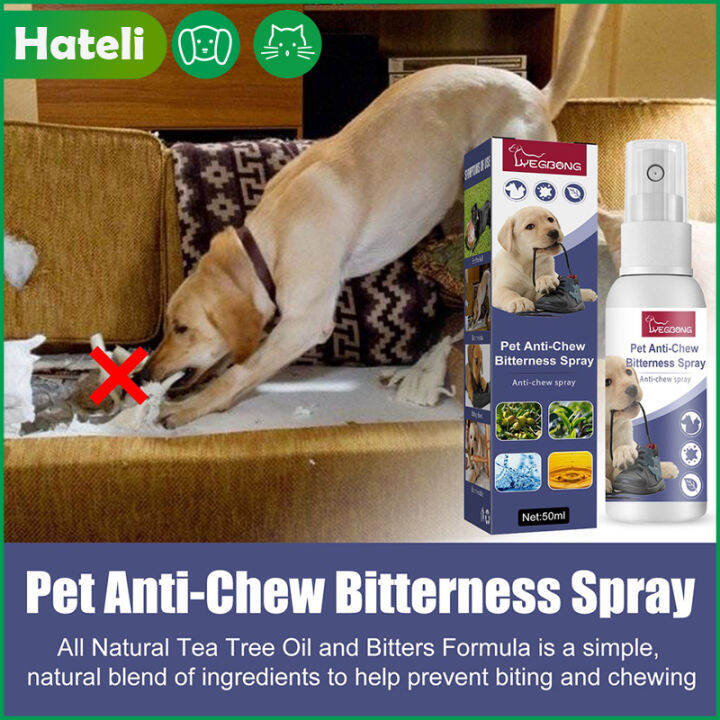
7. Bitter Apple Spray: This is a classic deterrent. The bitter taste discourages chewing. Just be sure to apply it regularly and reapply after your dog licks their paws. Warning: some dogs actually like the taste, so test it out first!

Cultural Paw-sibilities: A Quick Detour
Did you know that in some cultures, paw licking is seen as a sign of respect or contentment in dogs? While not the root of the issue, it’s a fun fact. Think of it as your dog saying "thank you" in their own way… albeit a potentially itchy "thank you".
Speaking of culture, look at how you are providing enrichment for your dog. Are you providing for their instinctual needs? Dogs are bred to herd, hunt, or retrieve and when those drives are not met they will express that energy in different ways, such as chewing their paws.

A Paw-sitive Outlook
Stopping a dog from chewing its paws requires patience, observation, and a bit of detective work. But with the right approach, you can help your furry friend find relief and enjoy healthy, happy paws. Remember, every dog is different, so what works for one might not work for another.
So, take a deep breath, put on your metaphorical Sherlock Holmes hat, and embark on this journey to paw-fection. Your dog (and your furniture) will thank you for it!
Reflection: Just as we address our own discomforts and anxieties, caring for our pets involves recognizing and addressing theirs. The seemingly small act of stopping paw chewing can be a powerful reminder of the interconnectedness of our lives and the importance of mindful attention to the needs of those we love.