
How To Stop A Dog Whining In The Crate

Okay, let's talk dog crates. We all know they're supposed to be a safe haven, a den, a canine castle of solitude. But sometimes, that castle sounds more like a tortured dungeon, complete with dramatic, Oscar-worthy whining performances. Sound familiar?
You're not alone. Crate whining is practically a universal dog owner experience. But fear not! We're here to decode those mournful melodies and turn your dog's crate into the happy place it's meant to be.
Decoding the Whine: Is it Boredom or Beethoven?
First things first: understand the 'why' behind the whine. Is it boredom? Anxiety? Is your dog channeling their inner Pavarotti for attention? Or could it be a legitimate need to go potty? Ruling out medical issues with your vet is always a good first step.
Must Read
Imagine your dog is a method actor, channeling a character. What's their motivation? Here are a few common scenarios:
- "I'm Bored!": This is the equivalent of a teenager sighing dramatically. The solution? Enrichment!
- "Separation Anxiety!": This is more serious, and may require professional help from a certified dog trainer or veterinary behaviorist. Think of it as canine existentialism.
- "Potty Emergency!": Accidents happen, especially with puppies. Make sure your dog is consistently taken out at regular intervals.
- "Attention Seeker!": "If a dog whines in a crate and no one is around to hear it, does it make a sound?" Yes, but it probably doesn't care. This is pure manipulation.
Turning the Crate into a Canine Clubhouse
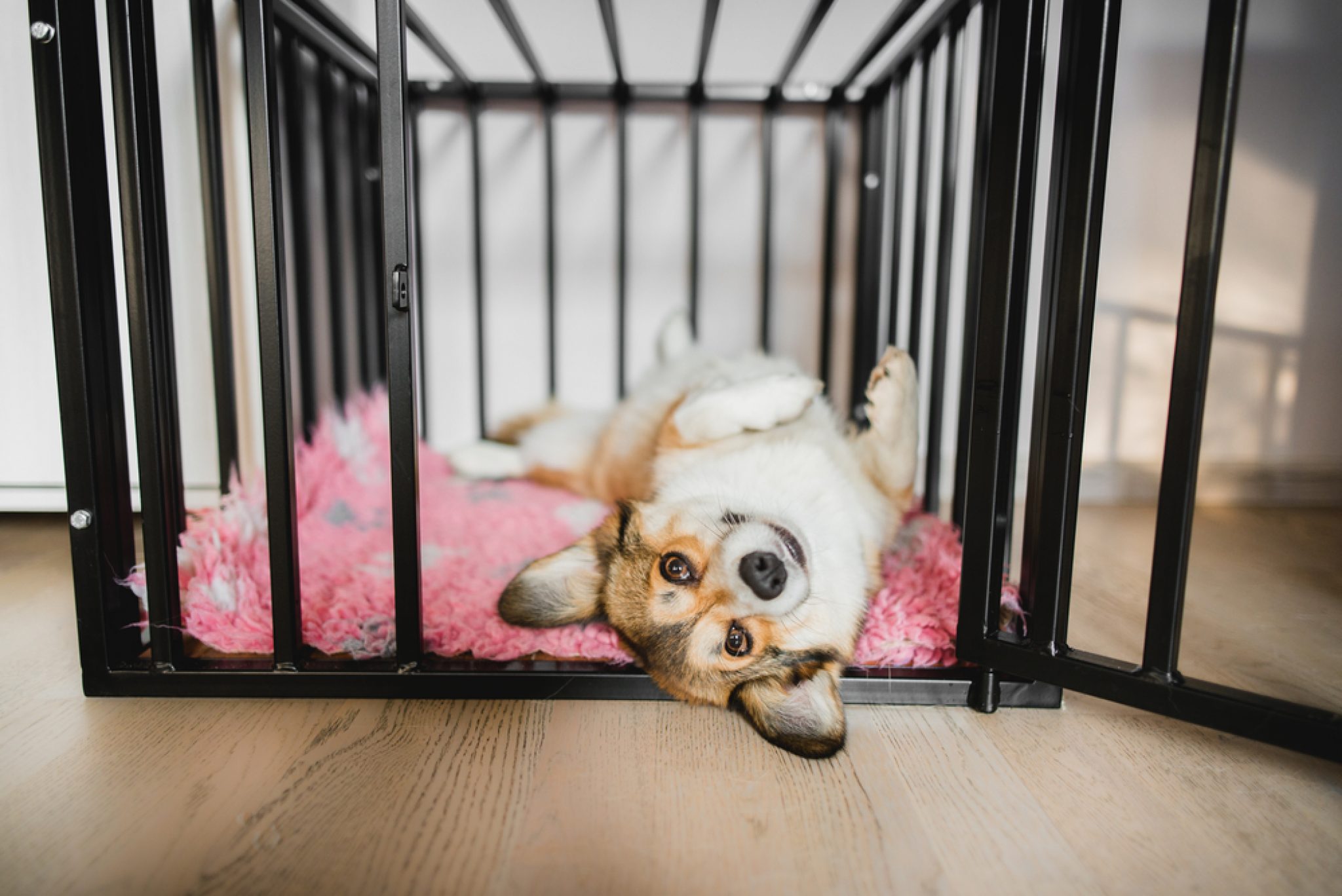
Think of your dog's crate as the ultimate chill-out zone, not a punishment chamber. Make it inviting! Consider this your canine interior design project.

Comfort is Key: Soft bedding, a favorite blanket (maybe one that smells like you – bonus points for emotional manipulation, in a good way), and maybe even a plush toy. Imagine it as the presidential suite of dog houses.
Crate Games: Make entering the crate a positive experience. Toss treats inside, play fetch with the crate as the finish line, and praise generously when your dog goes in willingly. Think of it like Pavlovian conditioning, but with more tail wags.
The Power of the Puzzle: Boredom busters are your best friend. Stuff a Kong with peanut butter (xylitol-free, of course!), introduce puzzle toys, or provide a long-lasting chew. These distractions keep your dog mentally stimulated and entertained. It's like giving them a canine crossword puzzle.
The Silent Treatment: When Ignoring is Golden
Sometimes, the best response to whining is… no response at all. I know, it's tough. Your heartstrings are being pulled like a bad violin solo. But if you suspect your dog is whining for attention, giving in will only reinforce the behavior.
Wait for a moment of silence, even a brief pause in the whining symphony, and then reward with praise or a treat. You're essentially teaching your dog that silence equals rewards. This is the "ignore the bad, reward the good" principle in action.

However, and this is a big however, never ignore excessive whining that could signal distress or a medical issue. Learn to differentiate between a manipulative whine and a cry for help.
Consistency is Canine Currency
Like raising kids, training a dog requires consistency. Everyone in the household needs to be on the same page. If one person gives in to the whining, you're back to square one. Consistency is the secret sauce to success.
Establish a routine. Crate time shouldn't be random. Use it for naps, bedtime, or when you need some uninterrupted "me time." This helps your dog understand the expectations and feel more secure.

Remember that building positive associations with the crate takes time. Be patient, stay consistent, and celebrate small victories.
Bonus Tip: Calming aids, like pheromone diffusers or calming music (think classical or reggae), can help reduce anxiety. It's like creating a spa day experience for your dog.
Connecting It All to Daily Life
Ultimately, addressing crate whining isn't just about silencing the noise; it's about understanding your dog's needs and building a stronger bond. It's about creating a space where they feel safe, secure, and loved. It's a reflection of how we approach all relationships: with empathy, patience, and a willingness to listen, even when the language is a little…whiny.