
How To Stop A Dog From Chewing Its Paws

Ever watch your dog go to town on their paws? It’s like they’re trying to give themselves a pedicure! But sometimes, this adorable habit can actually be a sign of something else. So, how do we gently steer them away from this behavior?
First Things First: The Distraction Game
Think of it like this: your dog is bored! Offer them a fun distraction. A brand-new squeaky toy? A tasty chew bone?
These can be magical. They shift your dog's focus to something more constructive.
Must Read
The Power of Playtime
A good, old-fashioned game of fetch can work wonders. Tire them out! A tired dog is less likely to become a paw-chewing connoisseur.
Try tug-of-war too. Anything to burn that extra energy.
Addressing the Itch Factor
Sometimes, it’s not boredom. It’s itchiness! Imagine having an annoying itch you just can't reach. That’s how your dog might feel.
So, what’s the solution? Think allergies or dry skin.
The Food Factor
Could their food be the culprit? Some dogs have allergies to certain ingredients.
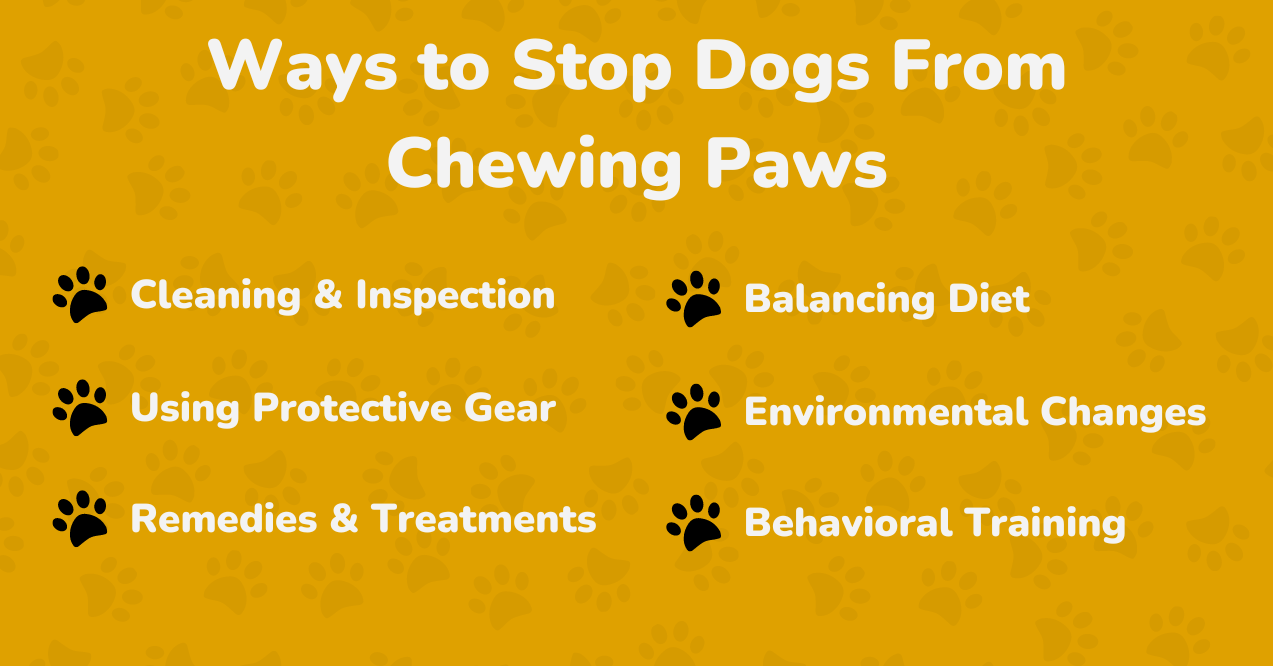
Talk to your vet about a possible food elimination diet. It might sound complicated but is worth it.
Soothing Solutions
Consider a paw soak. Lukewarm water with a little Epsom salt can sometimes bring relief.
Coconut oil can also be your best friend. Apply a thin layer to their paws to moisturize and soothe.
The Anxiety Angle
Believe it or not, some dogs chew their paws due to anxiety. Think of it like a nervous habit.
Loud noises, being left alone, or changes in the home environment can trigger anxiety. Create a calming environment for your dog.

Creating a Safe Haven
Give your dog a safe and comfortable space. A cozy bed or crate can provide a sense of security.
Play some calming music. There are even playlists designed specifically for dogs.
Seeking Professional Help
If anxiety seems to be the main issue, don't hesitate to consult with a vet or a certified dog trainer. They can help you develop a behavior modification plan.
The Importance of Consistency
Whatever method you choose, be consistent! Dogs thrive on routine and predictability.
If you discourage paw chewing at certain times, stick to it. Don't let them sometimes do it and sometimes not.
The Cone of Shame (Sometimes)
In some cases, a cone might be necessary. This is especially true if your dog is causing significant damage to their paws.

It's not ideal, but it can prevent further irritation and allow the paws to heal.
When to Call in the Pros
If you've tried everything and the paw chewing persists, it's time to seek professional help. A vet can rule out any underlying medical conditions.
They might also recommend a dermatologist. Skin issues can be tricky!
Observational Skills: Your Secret Weapon
Pay close attention to when and where your dog chews their paws. Is it after walks? When they’re alone? This information can give you valuable clues.
Keep a little notebook. Note down everything.

Positive Reinforcement is Key
When your dog refrains from chewing their paws, reward them! A tasty treat or verbal praise can go a long way.
Let them know they're doing a great job. Positive reinforcement is powerful.
Don’t Forget the Pawdicure!
Keep those nails trimmed! Long nails can irritate paws and make chewing more likely.
Regular grooming is essential for overall paw health. Think of it as preventative medicine.
The Takeaway: Paw Chewing Puzzle Solved
Stopping a dog from chewing its paws requires patience, observation, and a little bit of detective work. Find the underlying cause and then use consistent training and environmental adjustments.
Remember to consult with your vet if you have any concerns. Now, go forth and conquer those chewed paws!