
How To Size A Pool Heater For A Swimming Pool
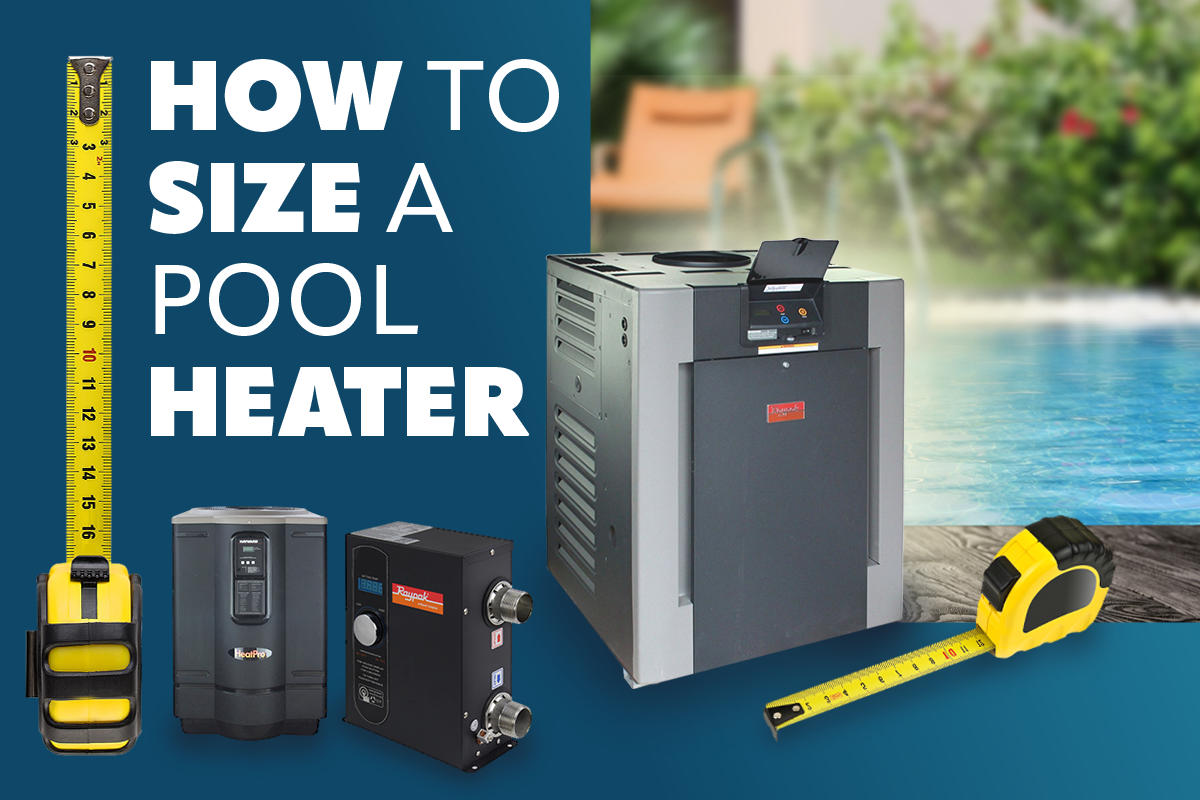
Okay, so you're thinking about heating your pool. Smart move! Because let's be honest, jumping into a pool that feels like glacial runoff is nobody's idea of a good time. It's like expecting a warm hug and getting a firm handshake from an ice sculpture. We've all been there!
But before you dive headfirst (pun intended!) into buying a pool heater, you gotta figure out what size you need. Buying too small is like trying to heat your house with a birthday candle – cute, but ultimately ineffective. Buying too big is like using a flamethrower to toast a marshmallow – overkill, expensive, and potentially singeing.
First Things First: The Basics
Think of sizing a pool heater like baking a cake. You need the right ingredients in the right proportions. For a pool heater, the "ingredients" are:
Must Read
- Pool Size: How much water are we talking about? We measure this in gallons.
- Desired Temperature Rise: How much warmer do you want the water to be compared to the average temperature?
- Location, Location, Location: Are you swimming in sunny Florida or breezy Maine? This affects how much heat your pool loses.
Now, let's break it down, shall we?
Calculating Your Pool's Volume
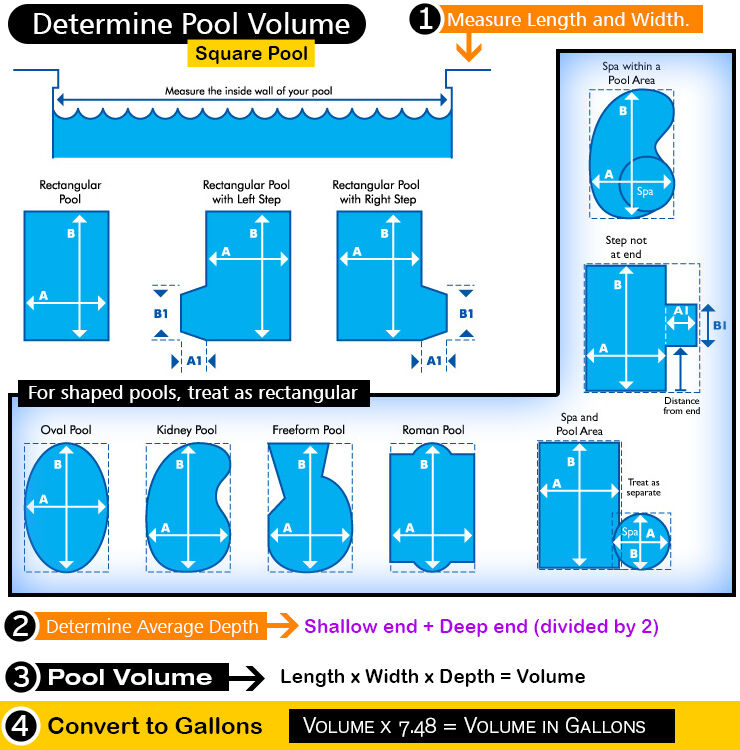
This sounds intimidating, but trust me, it's easier than understanding the offsides rule in soccer. For a rectangular pool, it's simple: length x width x average depth x 7.5. That “7.5” is the magic number that converts cubic feet to gallons.
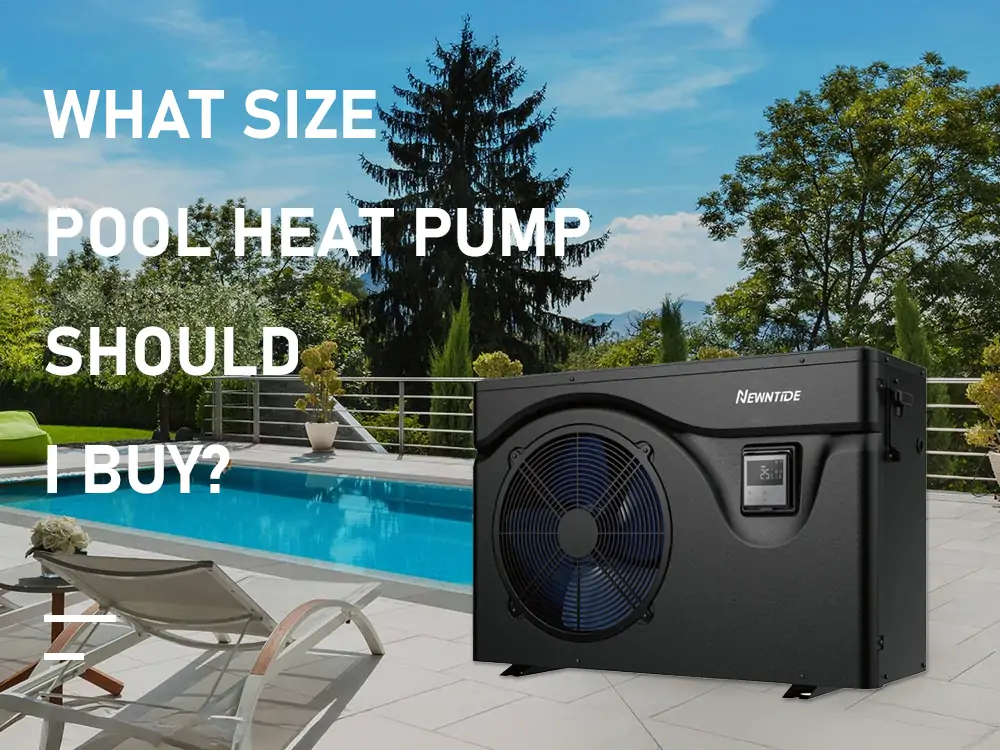
For round pools, it's diameter x diameter x average depth x 5.9. Again, that "5.9" is your conversion friend.
If your pool is some crazy shape that looks like a kidney bean after a rough night, you might need to get the approximate volume from your pool builder or a pool professional. It's like trying to guess someone's age – sometimes, you just need to ask the expert!
Figuring Out Your Ideal Temperature Rise
This is where personal preference comes in. Are you a polar bear who enjoys a brisk dip, or do you prefer bathwater temperatures? Most people find a pool temperature of around 80-85°F (27-29°C) to be comfortable. Consider the average temperature in your area during swimming season. If it's usually 70°F (21°C), you’ll need a 10-15°F temperature rise.
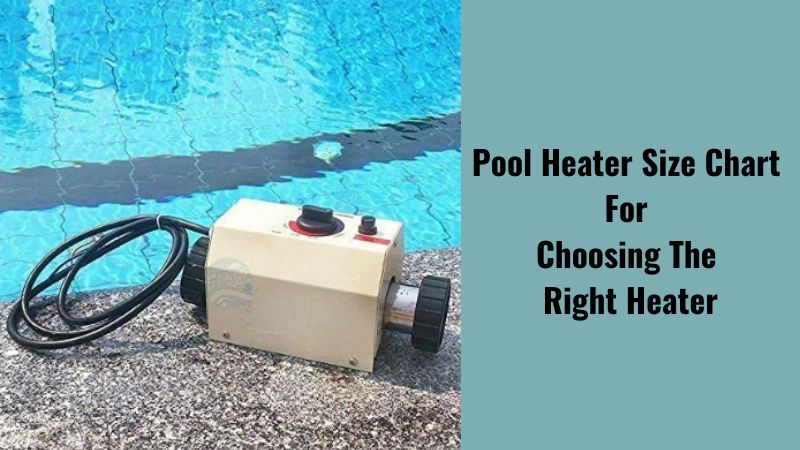
Important Note: The bigger the temperature rise, the more powerful the heater you'll need. It's like asking your car to climb a steeper hill – it requires more horsepower!
Location, Location, and Heat Loss
Imagine your pool is an open-air dance floor. Is it protected from the wind, or is it exposed to the elements? Wind, shade, and whether you use a pool cover dramatically affect heat loss.
A pool cover is like putting a lid on a pot of soup. It traps the heat and prevents evaporation, saving you money and reducing the heater size you need. Seriously, invest in a pool cover. You'll thank yourself later.
The Magic Formula (Sort Of)
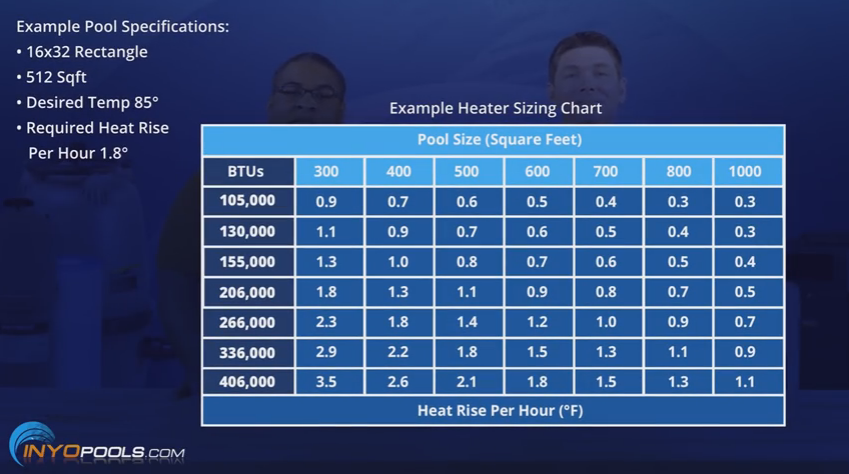
Okay, here's where we get slightly technical, but don't worry, I'll keep it simple. There's a general formula that pool professionals use to estimate heater size:
BTUs = Pool Volume (gallons) x Temperature Rise (°F) x 8.34 x Desired Heating Time (hours) / Heating Time (hours)
Whoa! Okay, let's break that down. BTU stands for British Thermal Units, which is basically a measurement of heat. The "8.34" is the weight of a gallon of water in pounds and is used to standardize the calculation. Don’t stress about it. You can find BTU calculators online by searching for "pool heater BTU calculator" and plugging in your numbers. Easy peasy!
When in Doubt, Ask the Pros
Look, sizing a pool heater isn't rocket science, but it's not always a walk in the park either. If you're feeling overwhelmed, don't hesitate to contact a qualified pool professional. They can assess your specific needs and recommend the right heater for your pool.
Think of it as getting a second opinion from a doctor. It's always a good idea to double-check, especially when it comes to something as important (and potentially expensive) as a pool heater. Nobody wants to end up with a heater that's about as useful as a screen door on a submarine!
Happy swimming!