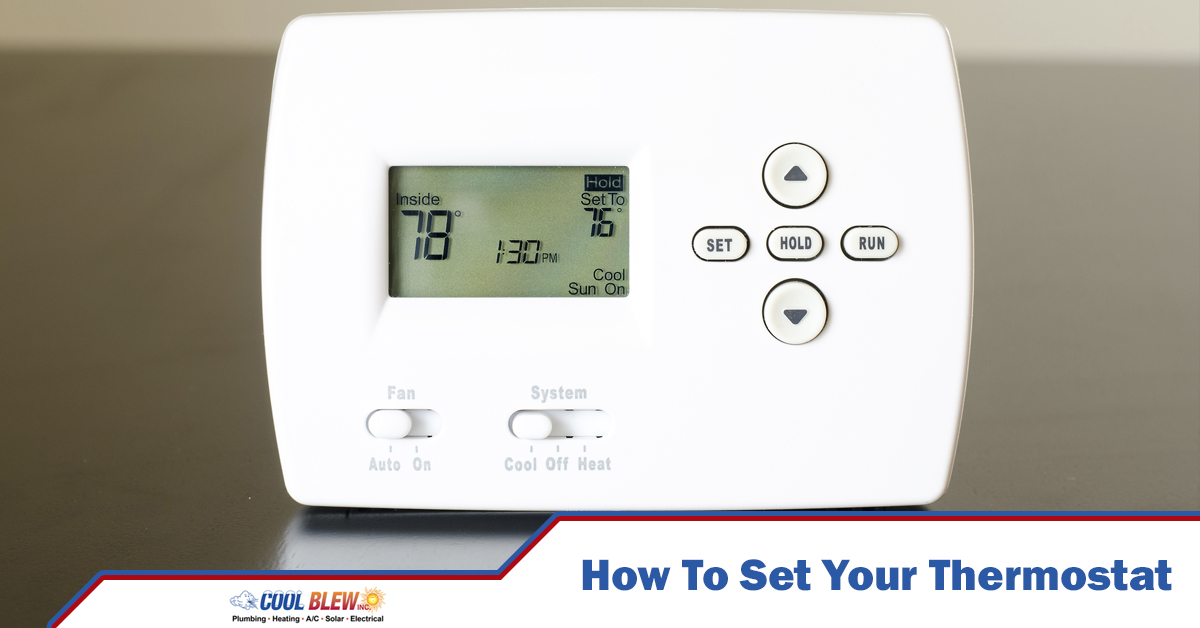
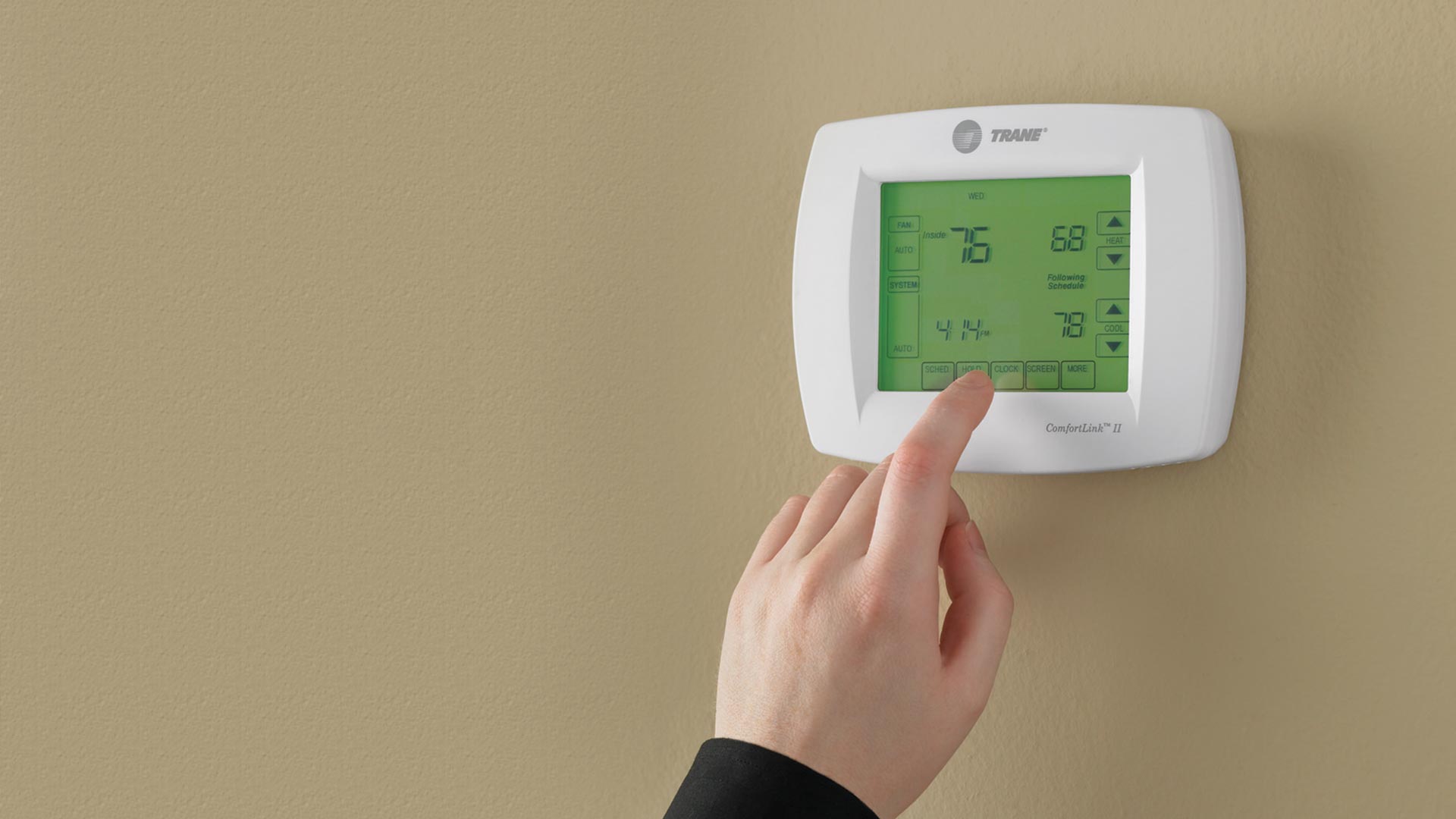
How To Set A Thermostat For Air Conditioning
Ever feel like you're in a constant battle with your thermostat? Too hot, too cold, never just right? Understanding how to set your thermostat for air conditioning isn't just about comfort; it's about saving money, being kinder to the environment, and maybe even avoiding those little domestic squabbles about the temperature. It's a small thing, but mastering your thermostat can have a surprisingly big impact!
The core purpose of setting your thermostat is simple: to tell your air conditioner what temperature you want your home to be. But the benefits extend far beyond that initial setting. A well-programmed thermostat can drastically reduce your energy consumption. Think about it: an AC unit running full blast all day, even when you're not home, is a major energy hog. By setting your thermostat strategically, you can minimize wasted energy and lower your electricity bill. Furthermore, efficient AC usage reduces your carbon footprint, contributing to a more sustainable lifestyle. It's a win-win!
Let's look at some practical examples. In schools, setting the thermostat correctly is crucial. Imagine trying to learn in a sweltering classroom! Consistent, comfortable temperatures help students focus and improve their learning environment. A smart thermostat, programmed to adjust based on occupancy and time of day, ensures a comfortable and efficient learning space. In daily life, think about your home office. Instead of blasting the AC all day, you can set a schedule that cools the room only when you're actually working. You can even use smart features to pre-cool the space before you start your workday. Similarly, at night, setting a slightly higher temperature while you sleep can save energy without sacrificing comfort.
Must Read
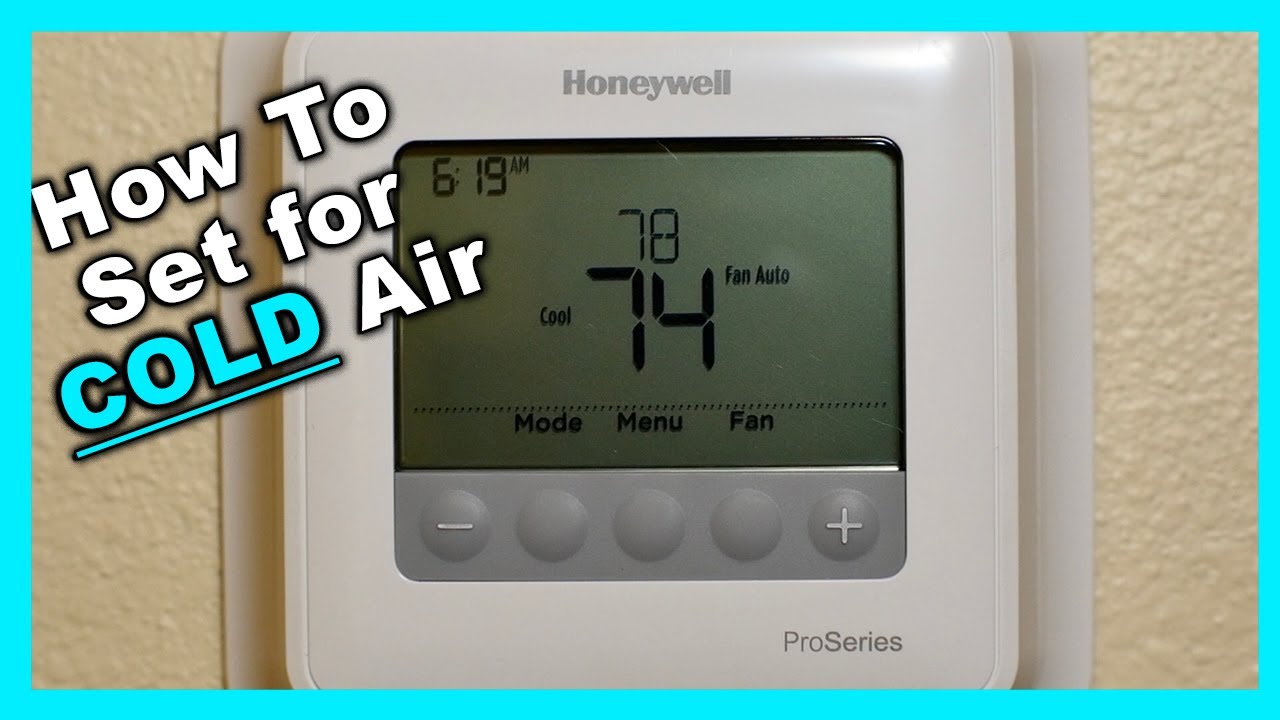
So, how do you actually set the thermostat effectively? Here are some practical tips. First, avoid setting it too low. The lower you set the thermostat, the harder your AC has to work, and the more energy it consumes. A difference of just a few degrees can make a big difference in your energy bill. The U.S. Department of Energy recommends setting your thermostat to 78°F (26°C) when you're home and higher when you're away. Second, utilize the "auto" setting on your fan. This ensures that the fan only runs when the AC is actively cooling, preventing unnecessary energy waste. Third, and perhaps most importantly, experiment! Every home and every family has different needs and preferences. Play around with different settings to find what works best for you.
To explore this further, start by checking your current thermostat settings. Are you using a schedule? Are you setting it lower than necessary? Next, consider investing in a programmable or smart thermostat. These thermostats allow you to create custom schedules and even control your AC remotely. Download the app for your thermostat and explore its features. Read the manual! You might be surprised by what your thermostat can do. Finally, keep track of your energy bills. By monitoring your energy consumption, you can see how your thermostat settings are impacting your costs and make adjustments as needed. It might sound tedious, but a little experimentation can result in a significant decrease in your energy bill and a much more comfortable home. Go ahead, take control of your climate and your wallet!